Ticking The Box On A Boxy Button Up: Sewing The Common Stitch Bellbird Button Up

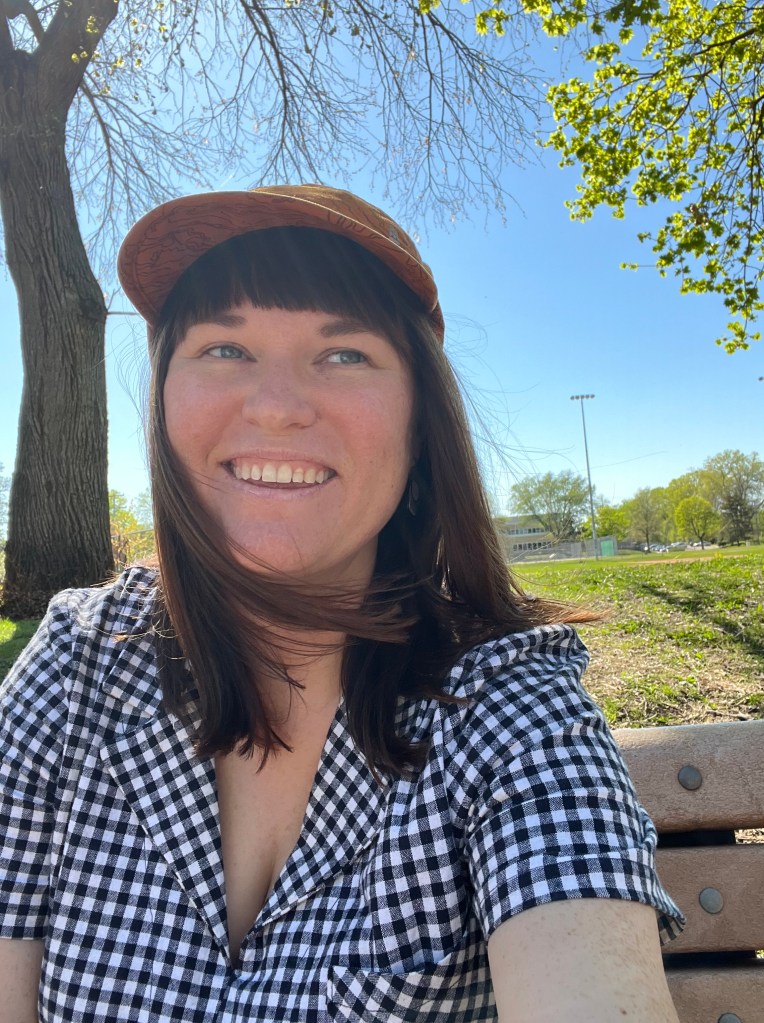
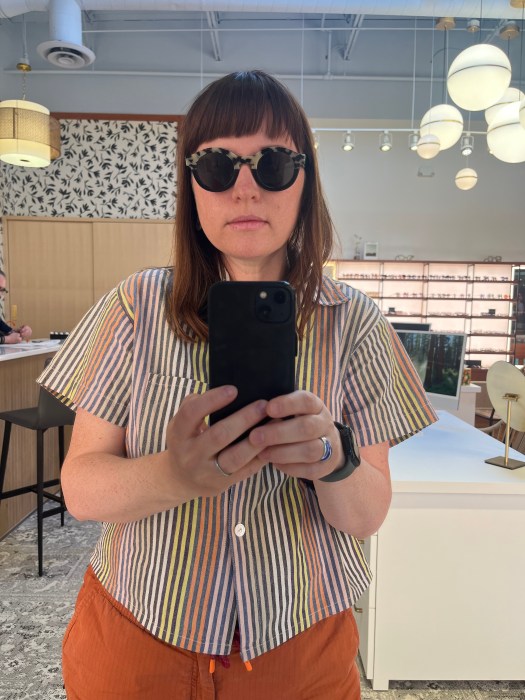
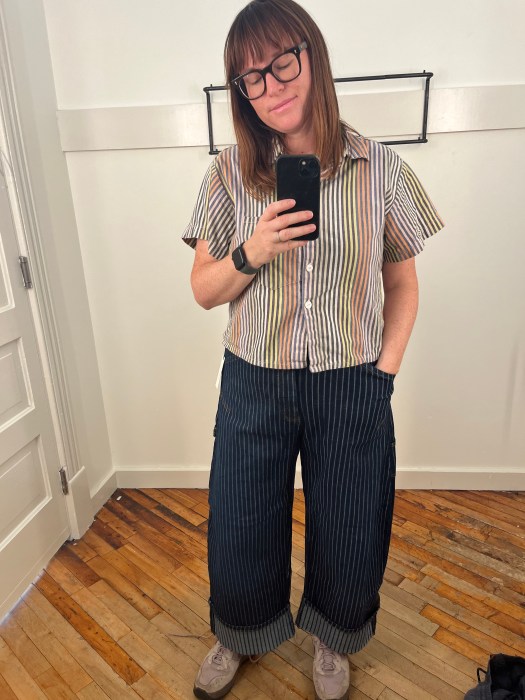
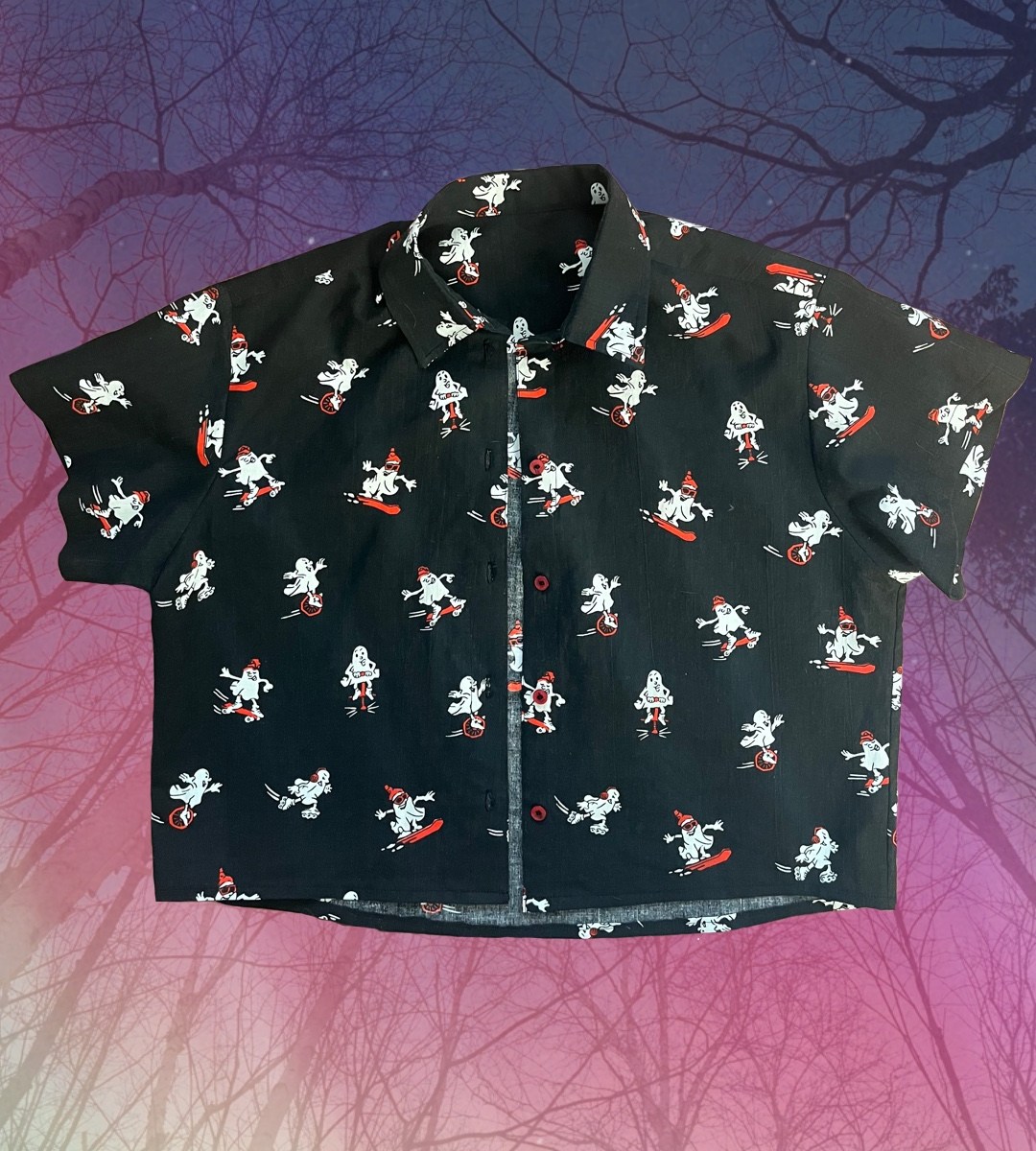
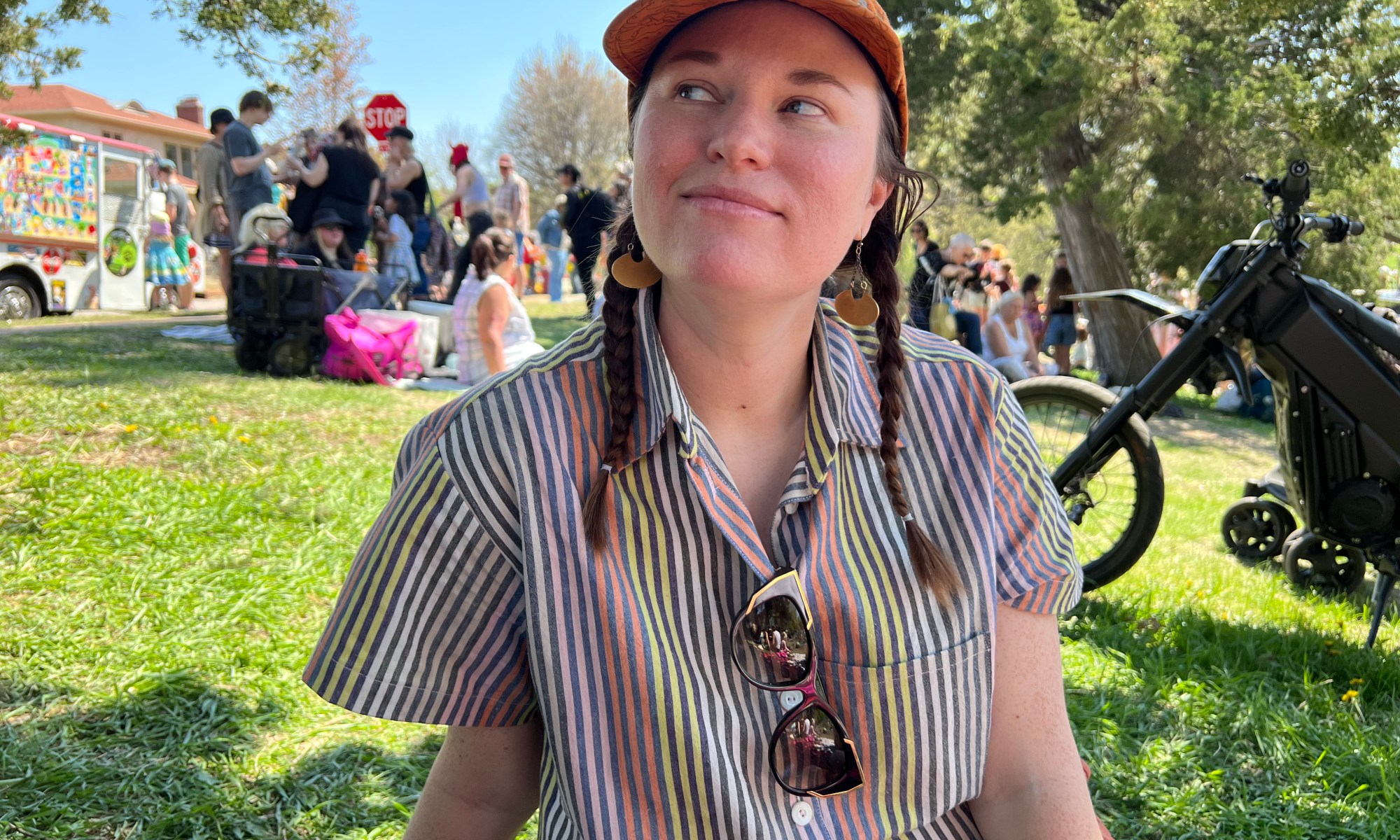
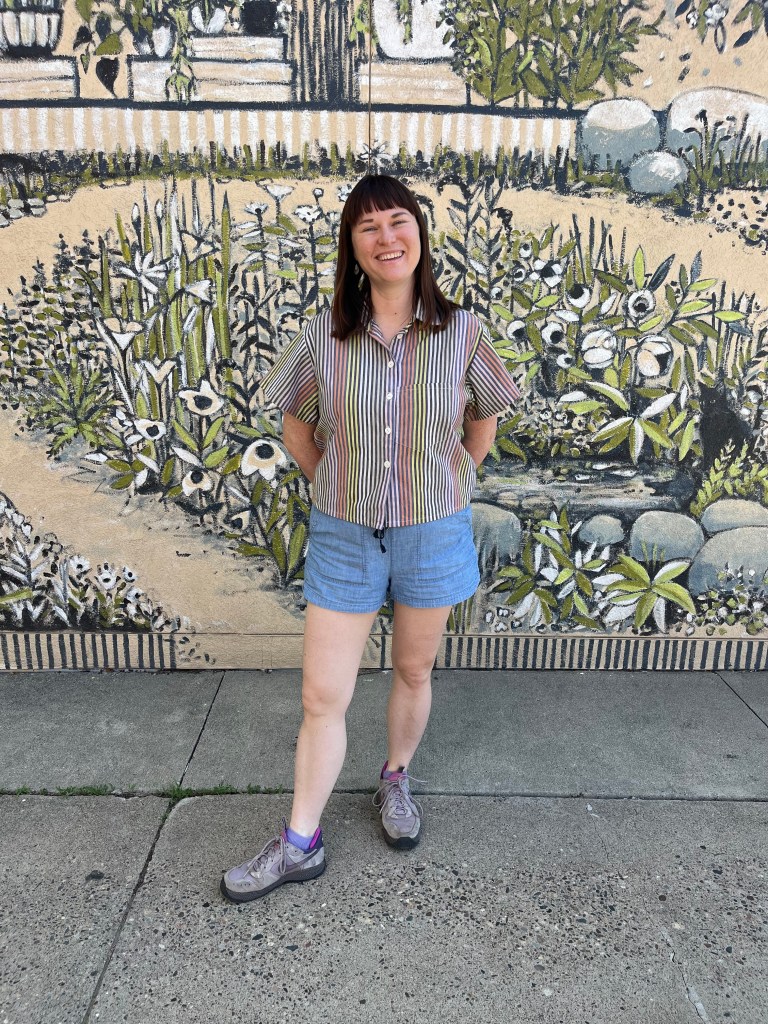
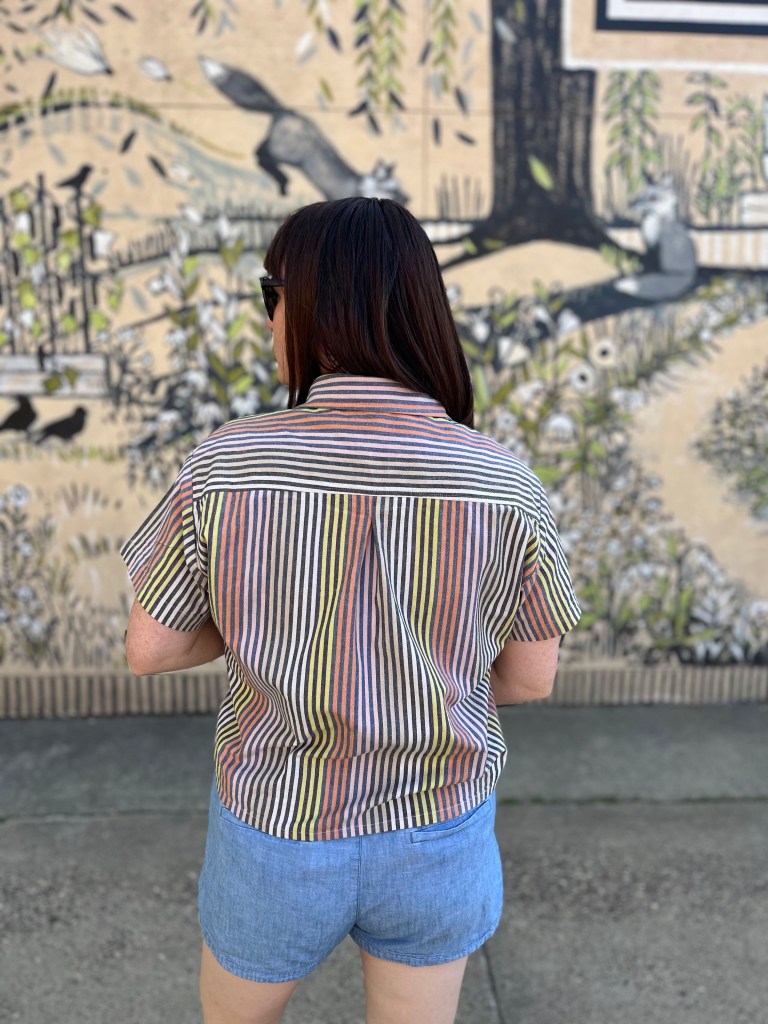
Common Stitch Bellbird Button Up, Short sleeved view

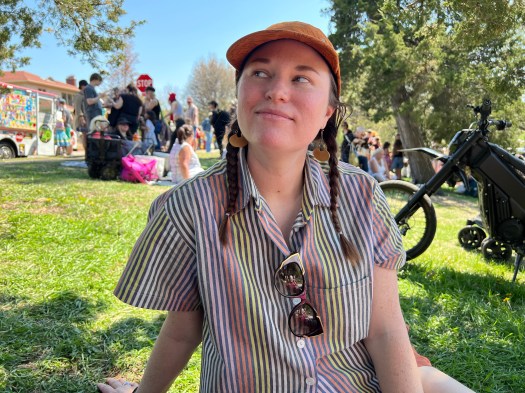
Well, after making Eric his own short sleeved button up shirt I got jealous and decided it was time to make my own. After looking at so many patterns of different button ups (been on my mind since Oct 2024!) I landed on the Bellbird Button Up by Australian pattern company Common Stitch. Really all it took was seeing two great Bellbird button ups on Instagram to seal the deal for me! This one by Bethany of @soberseamstress (she’s also the owner of Fluid Plus Drape) and this one by Emily of @ermthewormsews. Aren’t they both great? I hadn’t heard of this pattern company before seeing those two shirts. I liked the cropped sizing and boxy look and thought the box pleat on the back was a nice detail too. Before I get into allll the details, here’s the cost breakdown of my shirt:

  • Pattern: $6.16 (Normally $12.21 but I had a 10% off shop coupon ($1.22) and used $4.83 from the remainder of an Etsy gift card)
  • Fabric: $21 for 1.5 yards
  • Buttons: $2.00
  • Pattern Printing: $4.97

Total spent: $34.13

(A pink cotton Gutermann thread and weft Interfacing were already in my stash, I’m not going to include those in the total pricing.)

Roughly $35 for materials really isn’t bad in my book! This shirt is going to get a ton of wear.

The Fabric & Buttons

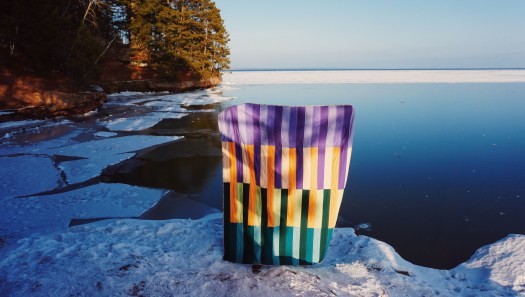
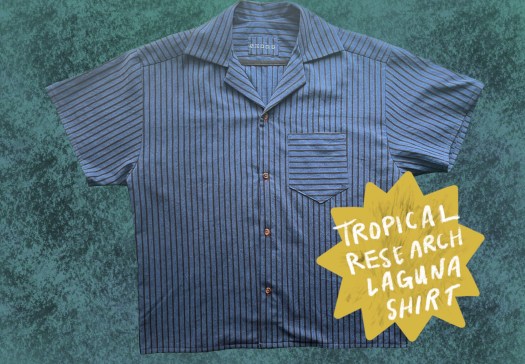
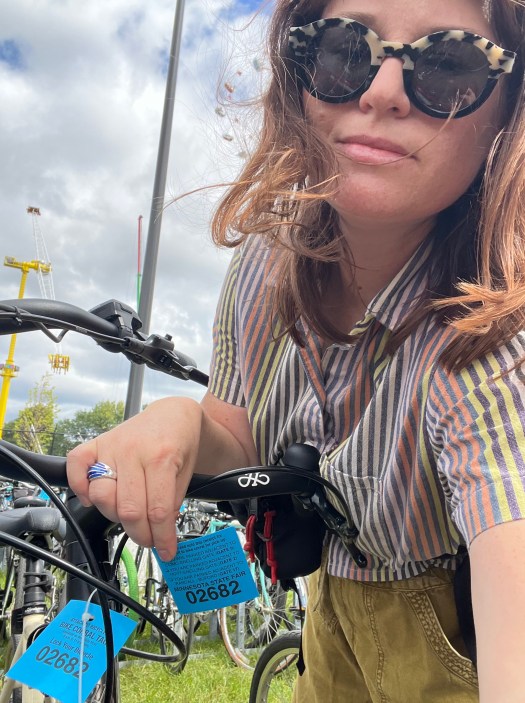
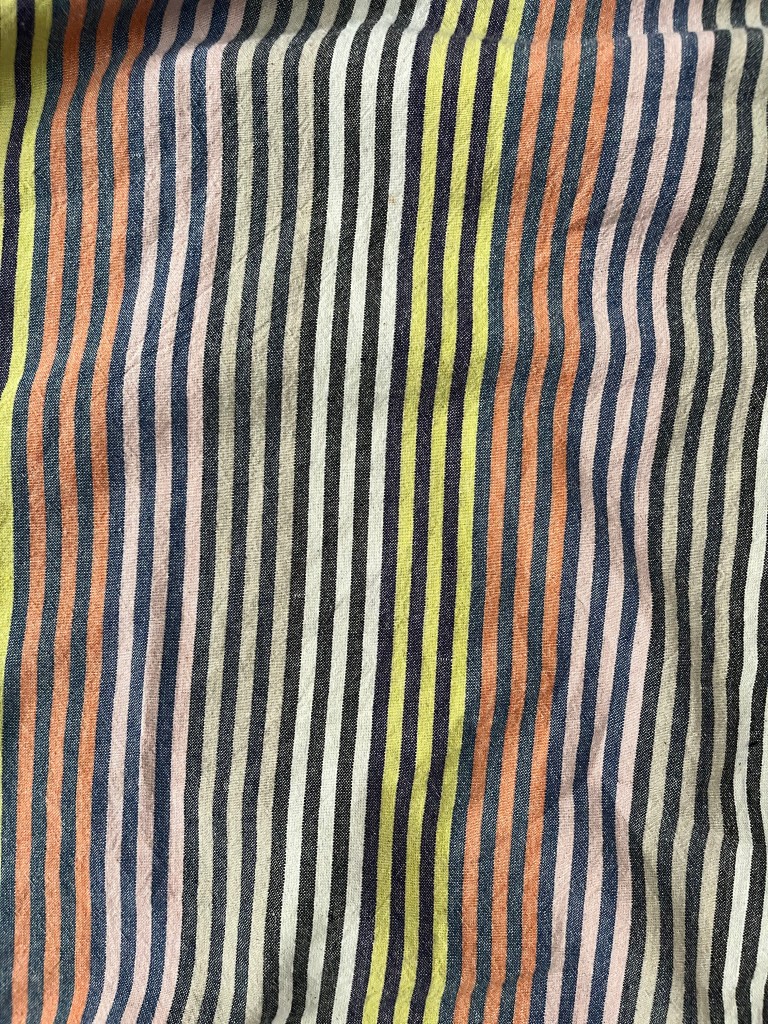
Diamond Textiles Cabana Stripes Sunburst fabric, a lovely shot cotton

Back in February I purchased 2.5 yards of this Cabana Stripes Sunburst fabric by Diamond Textiles from Seams Like Quilting in Spooner, WI. I purchased it without a plan and after staring at in my sewing space for months I decided I finally needed to use it, and use it NOW. It’s a medium weight, yarn dyed shot cotton. It feels sturdy, durable but not rough. I really love it and am glad I used it for a shirt since I don’t have something like it in my closet already.

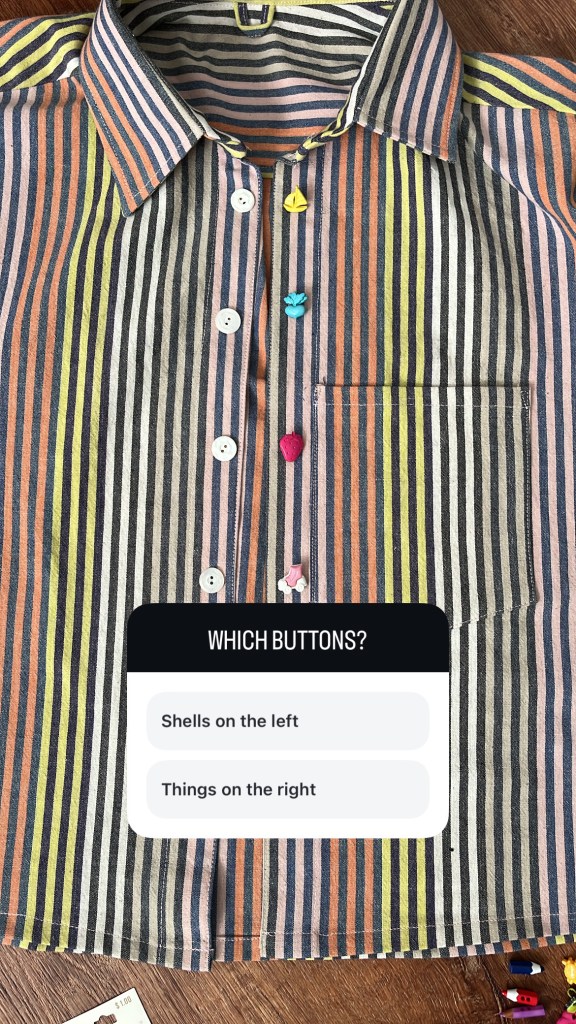
I really went back and forth on what buttons to use. Part of me wanted to go simple and traditional with these shell buttons I thrifted the same weekend I bought my fabric. Part of me also really wanted to use some of my ridiculous buttons I got from the Textile Center garage sale. After doing a poll on Instagram (where the results were really split) my husband tipped the scales over to the white buttons made from shells. I also honestly haven’t sewn a shank button before and that little extra work on looking up a how to (lol I’m sure it’s super easy) also had a hand in me going with the shells (I just wanted to finish the dang shirt!). I like the white ones but I don’t know, do you think I should’ve gone with the fun option?

Things To Consider

Since Common Stitch is an Australian pattern company, their measurements are in metric. I want to emphasize it is not a big deal to do the conversion from metric to imperial, but you do have to do the math when figuring out sizing and how much fabric. The seam allowances are in cm and mm.

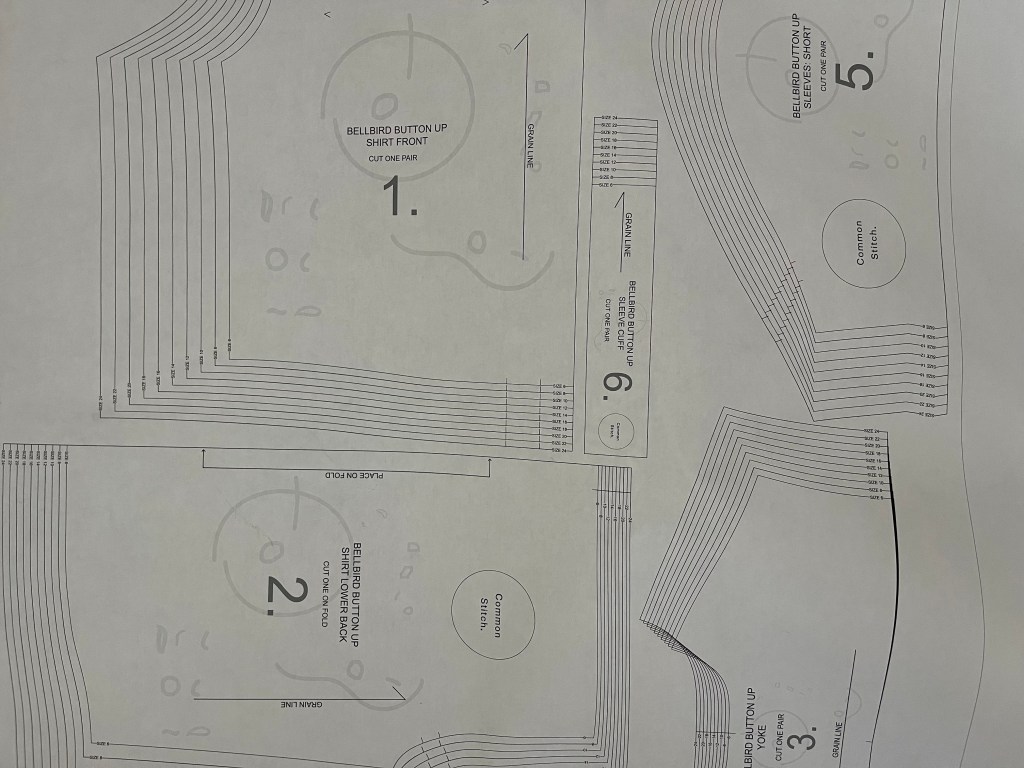
I ran into a problem with printing the pattern as it’s formatted for A4 printer paper which is slightly narrower and slightly longer than US letter. You can’t just do “print to fit” as that will throw off the sizing. I think I could’ve gotten around this using US legal printer paper but instead opted to have my pattern printed at Sewing Lounge over in St. Paul (which, HOT TIP: it’s the cheapest spot I’ve found in the Twin Cities for large format A0/copy shop pattern printing at $3/page! The turn around was incredibly fast too ). 1 Another thing to consider is that when I opened the pattern in Acrobat I found that they didn’t layer their sizes so I couldn’t “turn off” printing the sizes I didn’t want. You’ll have to print all the size lines.

I guess it was nice not taping a bunch of sheets together. I used my Swedish tracing paper to trace off the size I wanted to use in case I make this again in a different size

This pattern has a lot of ease; it’s meant to be a boxy top. I made an Aus size 14 (roughly a US 10) even though my measurements had me at a 16 for the bust, 18 for the waist and 14 for the hips. I’m so happy I didn’t go any higher for the size and next time I would make a 14 again or maybe even size down to a 12. When I hold out my arms you can see straight through those arm holes and see my bra, ope! However, I really do LOVE the length of this shirt, it’s perfect for me. The pattern also doesn’t have a lengthen/shorten line so I figure if you wanted to change that you would do so just at the bottom hemline? There is also an option to make this pattern with long sleeves, but it doesn’t have a traditional placket for the long sleeves.

Me? Issues? Always

On That Collar Stand

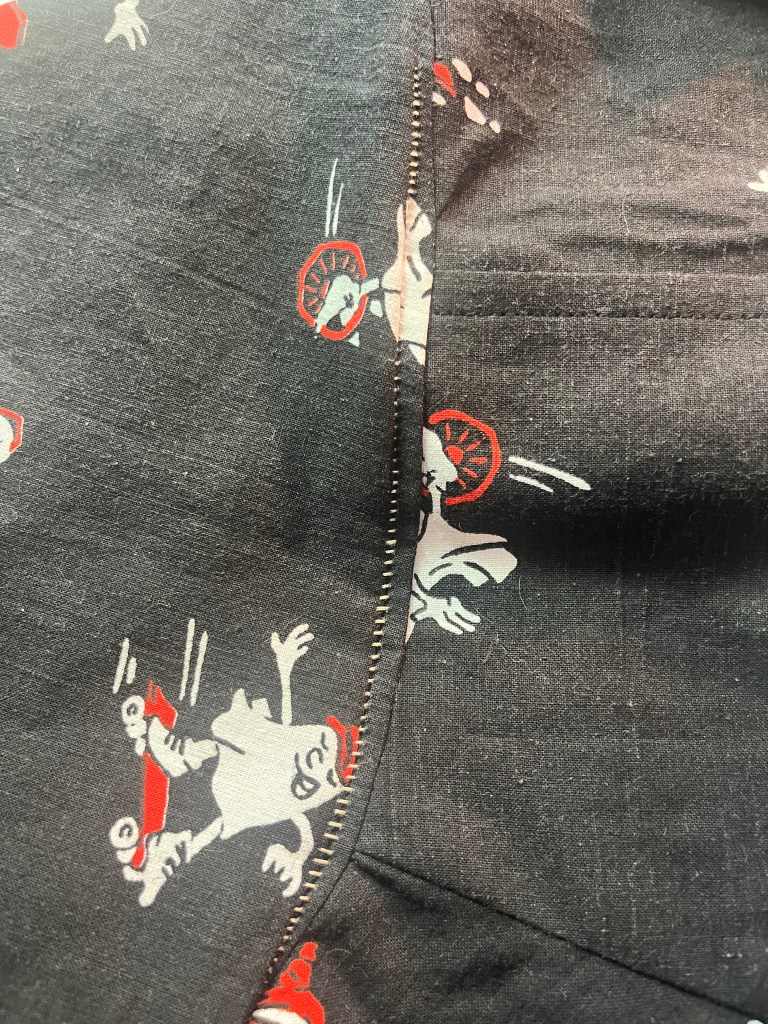
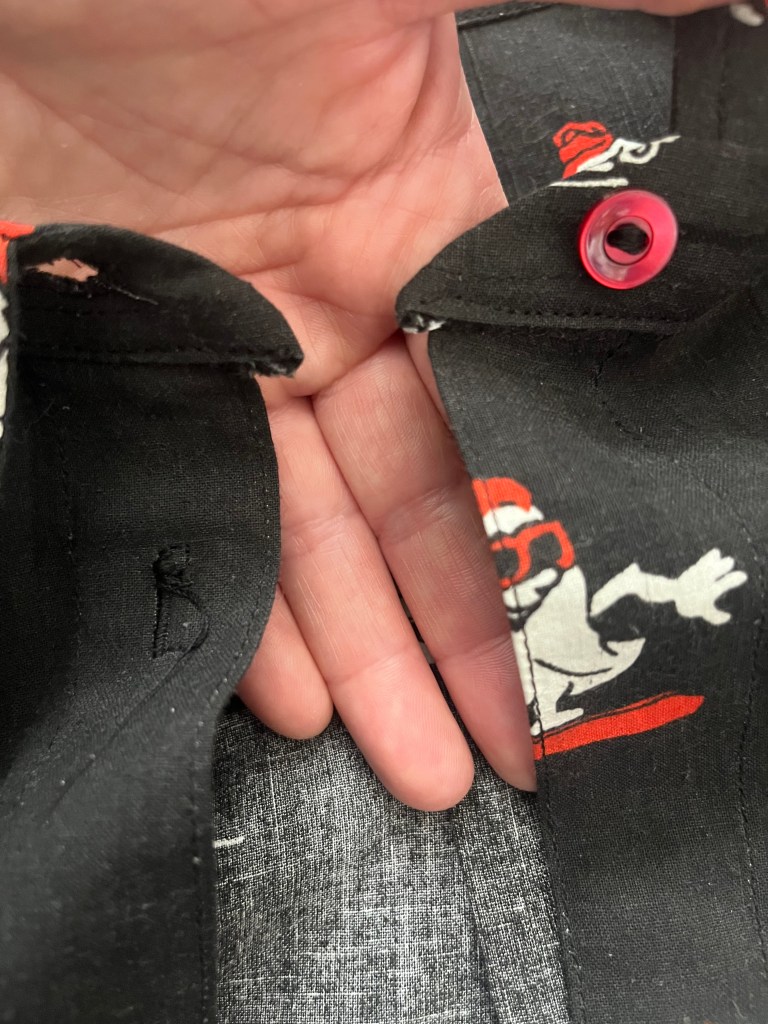
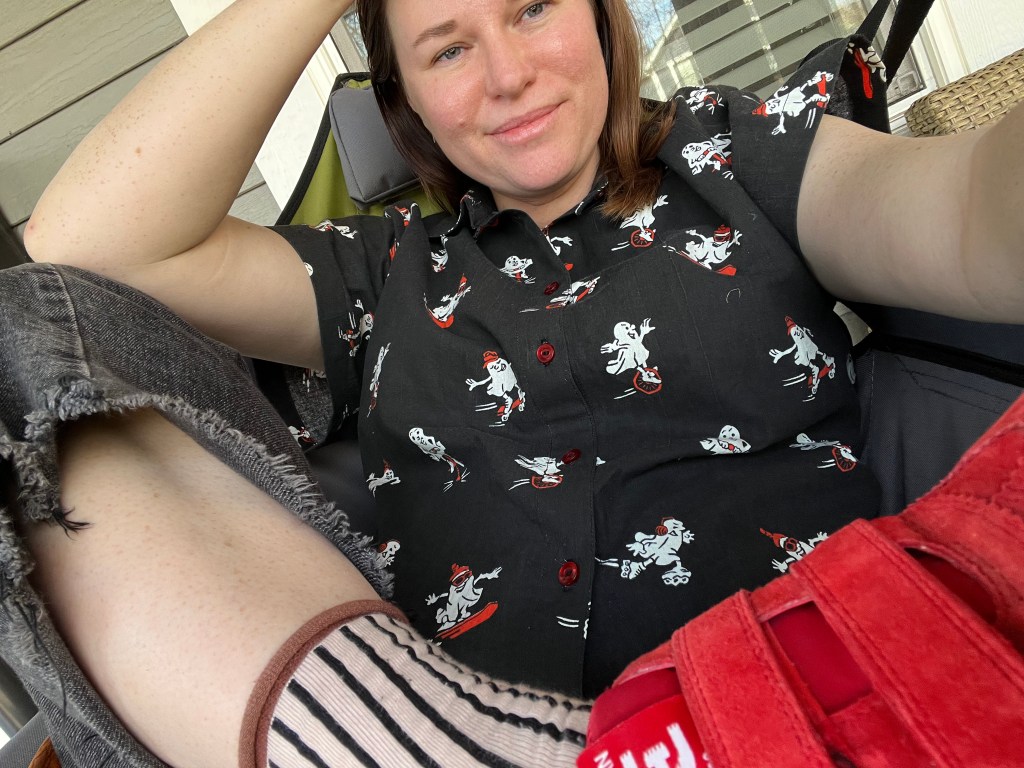
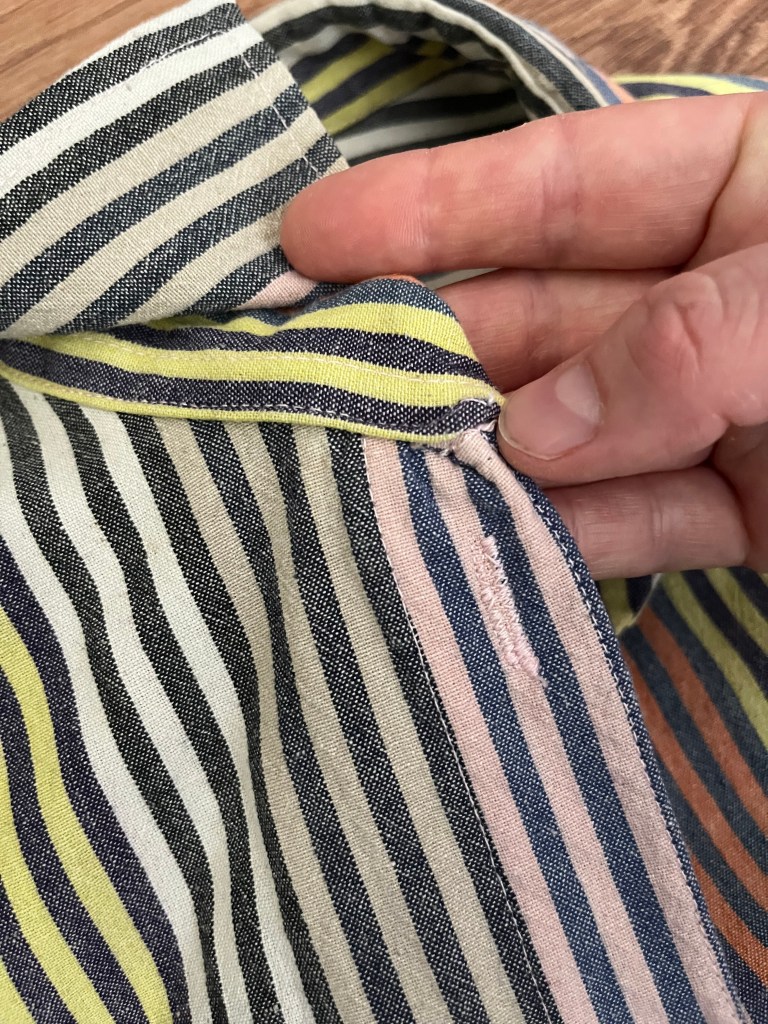
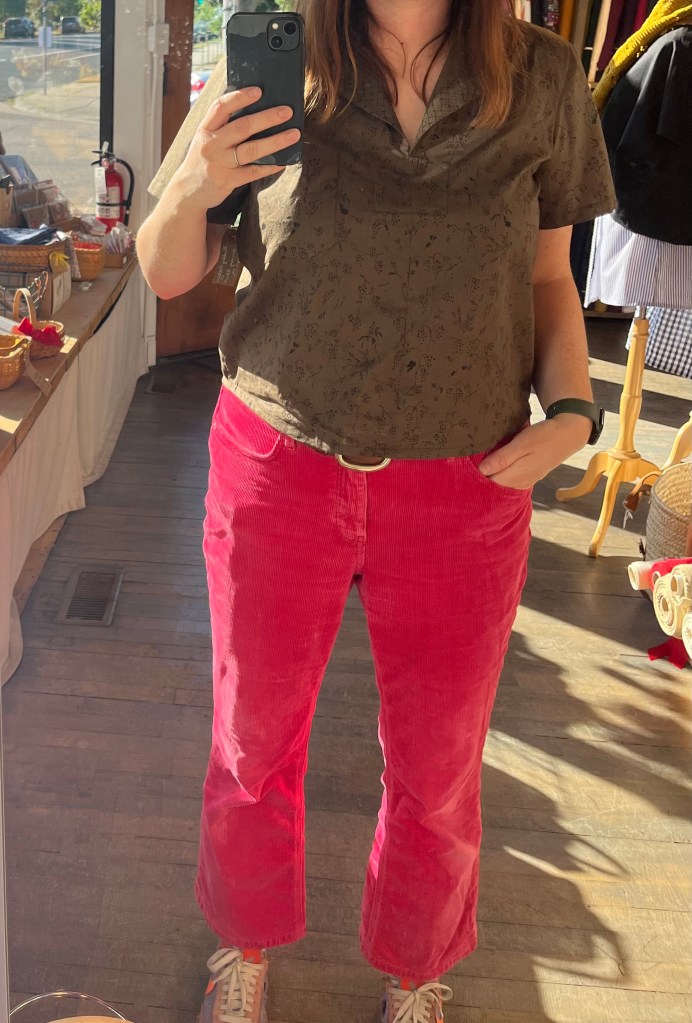
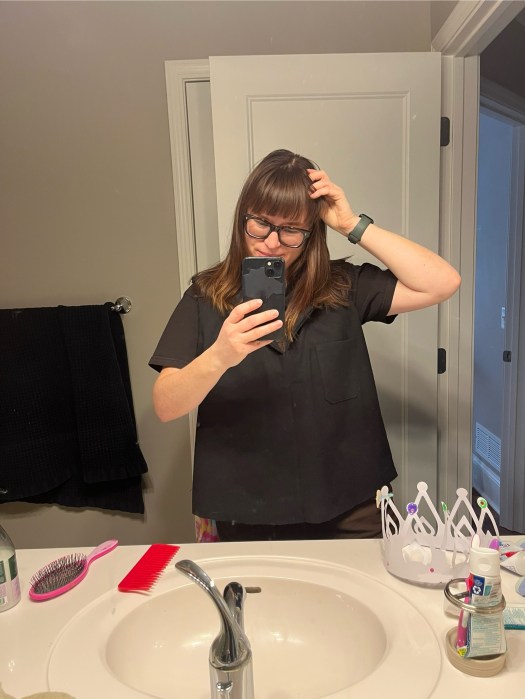
It just looks a little rumpled while I’m wearing it but here you can clearly see the collar stand isn’t sewn to the top of the placket perfectly and the button hole isn’t finished.

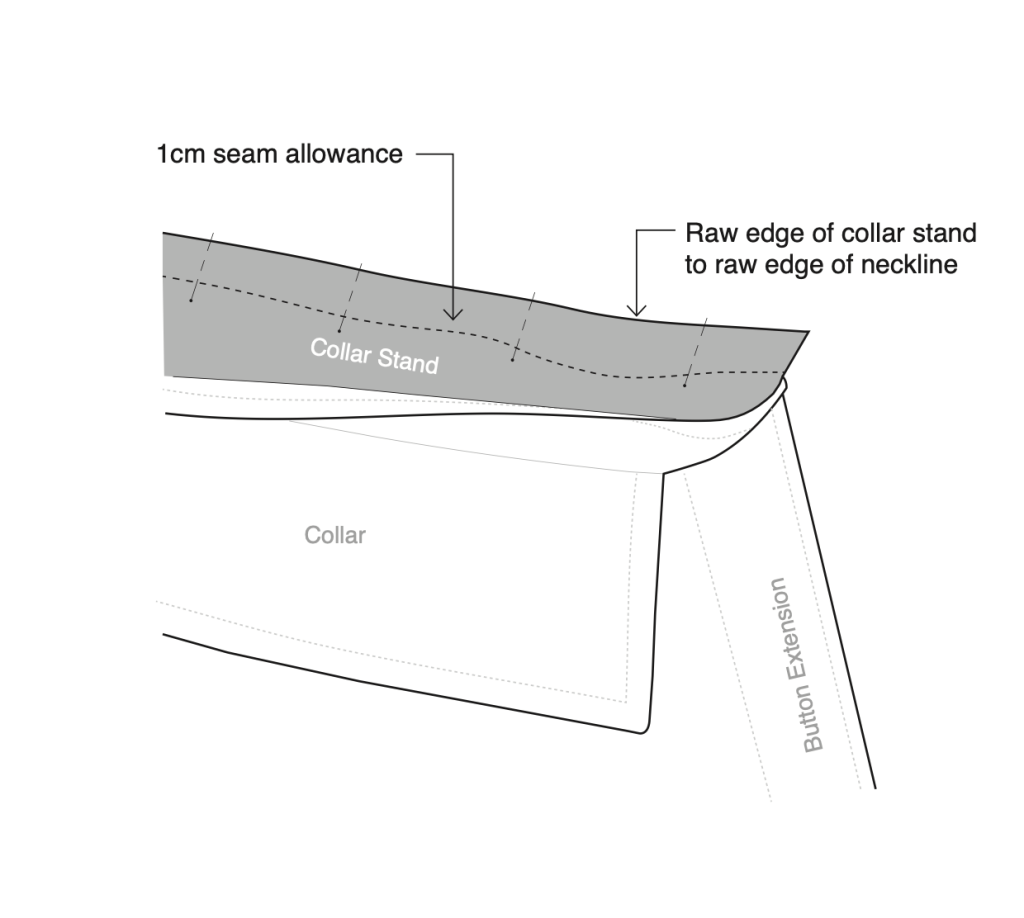
As this was my first go with a collar stand, I didn’t do the best job sewing it to the placket and just kind of had to do my best to jam it all in there. You’d have to be looking closely to notice, but I know and it does bother me some. I could try to fix it but I think I’ll just learn from my mistake and do a better job next time. I’m pretty sure this was my error and not the pattern. As it is so super thick up there I couldn’t use my buttonhole foot to make my top buttonhole. I left it as is, sewed the button on and figured I won’t really ever want to button that button. I didn’t even bother to sew a button and buttonhole on the collar stand. I may still fix the unfinished buttonhole but just haven’t attempted yet.

Pocket: Change?

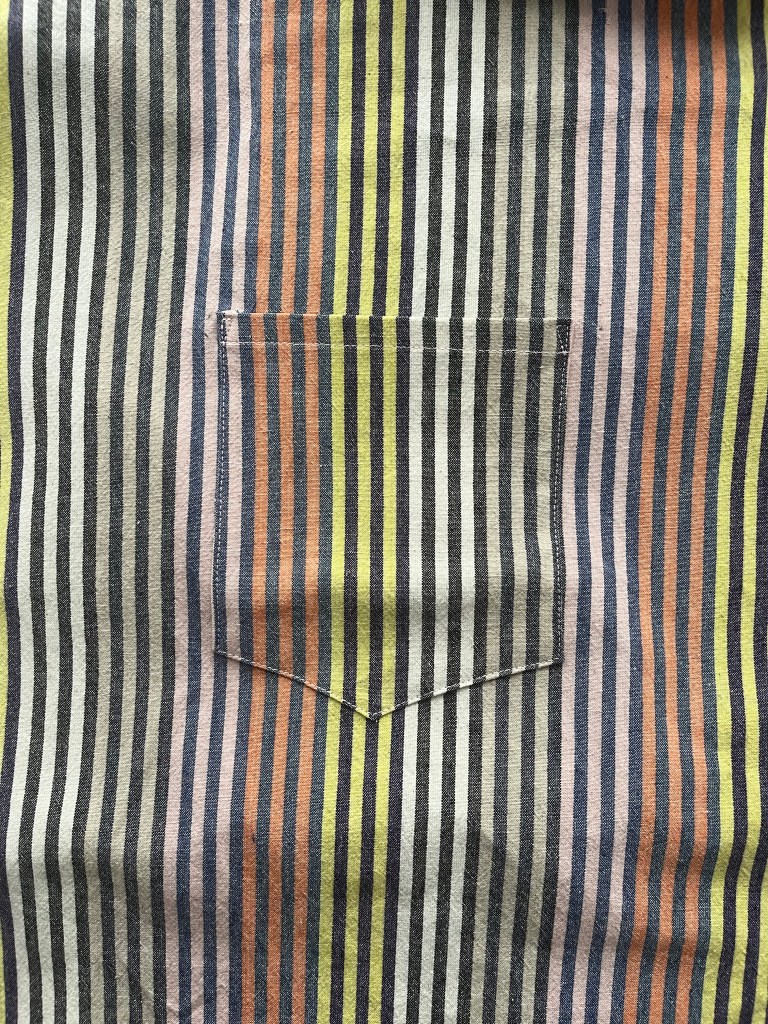
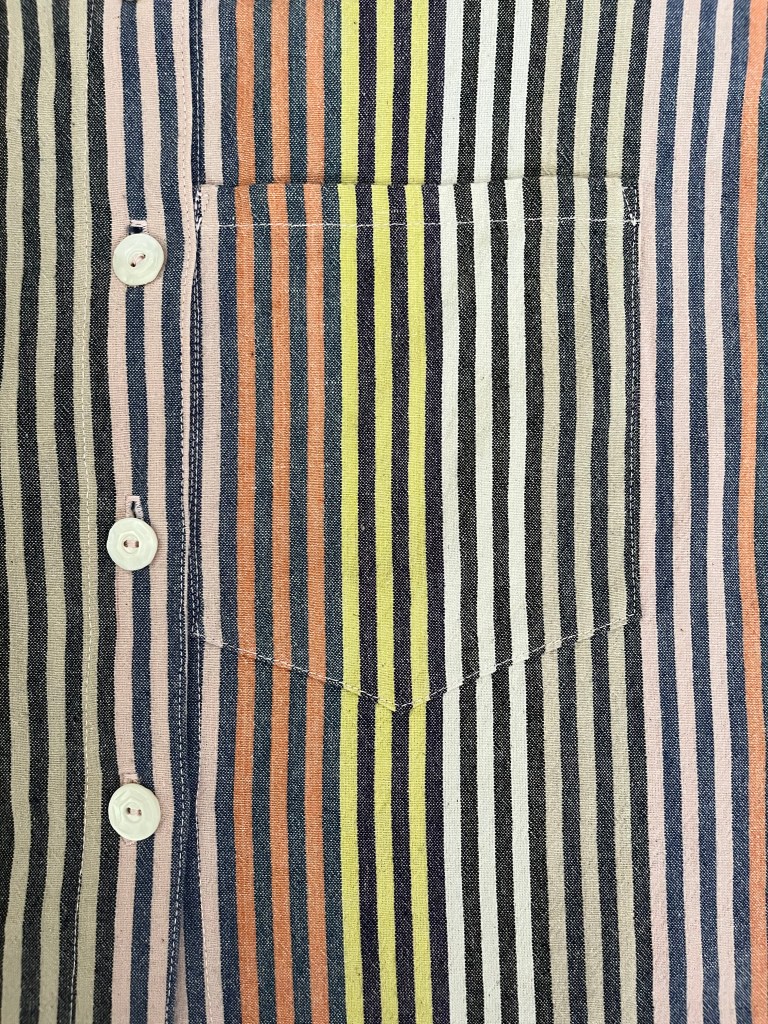
Here’s a word of caution: don’t do what I did and attach the pocket first thing. I really wanted to pattern match the stripes and in previous shirts I’ve made with pockets they have you attach the pocket first thing. This pattern doesn’t have you do that and I quickly found out why–you have to fold over and sew down the length of the front to make a placket and that could interfere with the pocket. I should’ve read through all the instructions before starting, this could’ve been avoided. Look how dumb it is that I put my pocket so close to the placket! Ugh. Do I seam rip it and ruin my beautiful pattern matching though? I also honestly think the pocket should also be moved up. Maybe for the next one I don’t even add a pocket.

Details! The Best Part Of Sewing Your Own Clothes

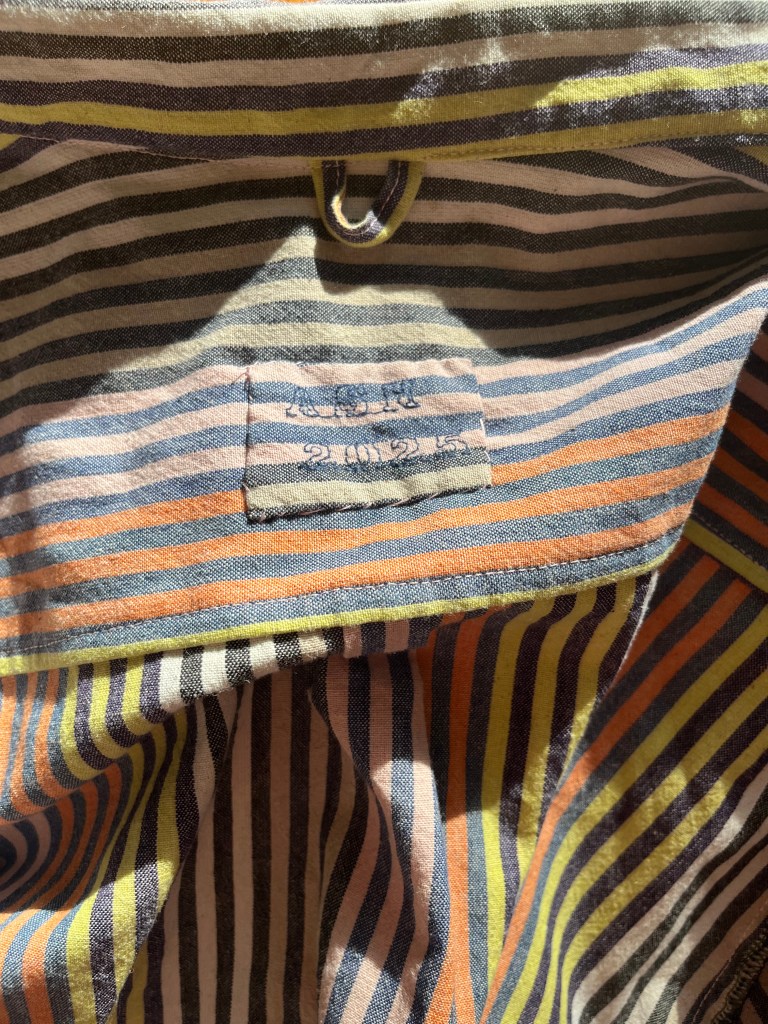
I couldn’t make a custom label for Eric’s shirt and not make one for myself, right? I like all of the woven “Made In 2025” labels that you can buy but I’m hesitant to buy those–what if I don’t use them and then they’re obsolete?! Using my machine to make a custom one is the perfect solution. I once again just whip stitched this to the yoke; I opted not to sew interfacing to the back of the label this time and it seems fine without it.

I also almost always like a little hanging loop on a shirt. I took a small scrap and made one and sewed it down before sewing the collar in. Worked great!

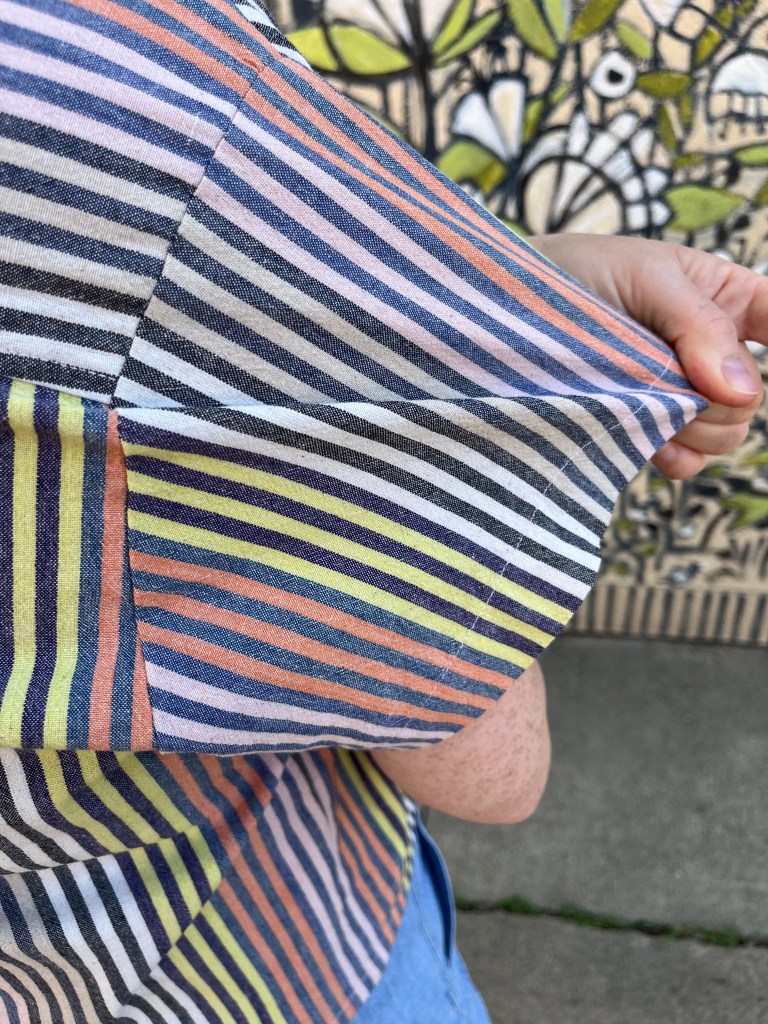
Look At how the stripes on the back yoke almost perfectly line up with the stripes on the sleeve! Wish I could say that was intentional but I just lucked out. (No, they are not lined up at all on the other sleeve lol)

Lastly, isn’t the box pleat cute? I had never made one before and this turned out great. It was so easy but it’s also such a nice detail.

Final Thoughts

I love this shirt, despite the flaws and I’m proud to have it in my closet! I’ve only had it for a little over a week, have already spilled ketchup on it (and got it out) and have worn it probably 4 times. I I’m nearly positive I’ll make it again and will pay closer attention to the details of where I went wrong like the collar stand and pocket. I’d like to have one out of a drapier fabric, like a linen, to see what the sleeves do because with this shot cotton they stick out a little more. Now that I’ve got a couple short sleeve button ups done I think it’s time I consider making a long sleeve button up! Maybe the Closet Core Jenna?

As always, if you got this far thanks for coming along!

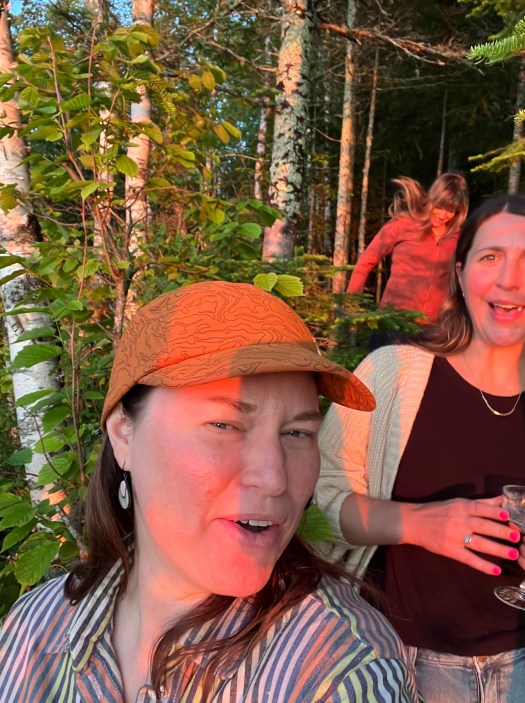
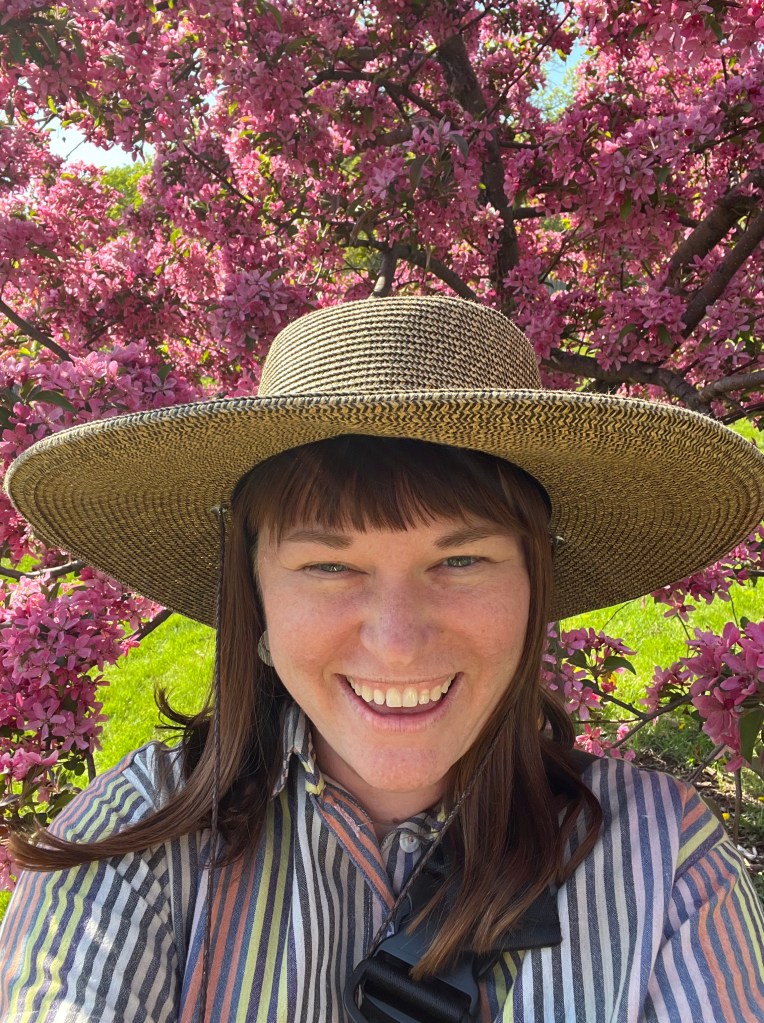
Mom hat: on! Moms love spring blooms and easy breezy shirts!!!

  1. The Sewing Lounge has some incredibly nice linens, hemps, poplins, sandwashed linen and other lovely high quality fabric, mostly for garment sewing. She (Maggy, the shop owner) doesn’t do online sales but you can get a nice feel for what she carries by looking at the site. I walked out of there with 2 yards of a super soft white sandwashed cotton with my printed pattern! ↩︎

Crafting The Donny Shirt, A Belated Pt 2

You know when you go camping how exciting that experience starts out? You’re in the fresh air, everything is green, you’re living close to nature and you can’t believe you don’t do this more often. Then the reality of you situation sets in: everything you do in the woods is 10-80% harder. Going to the bathroom. Making food. Cleaning up after cooking–you get the idea. Then you go home and you reflect back on that experience: it was fun and I’m glad I went and I’m a better person for it and now I’m glad to be home where I have a special, nice room for going to the bathroom and fire starts in my kitchen for cooking at the push of a knob.

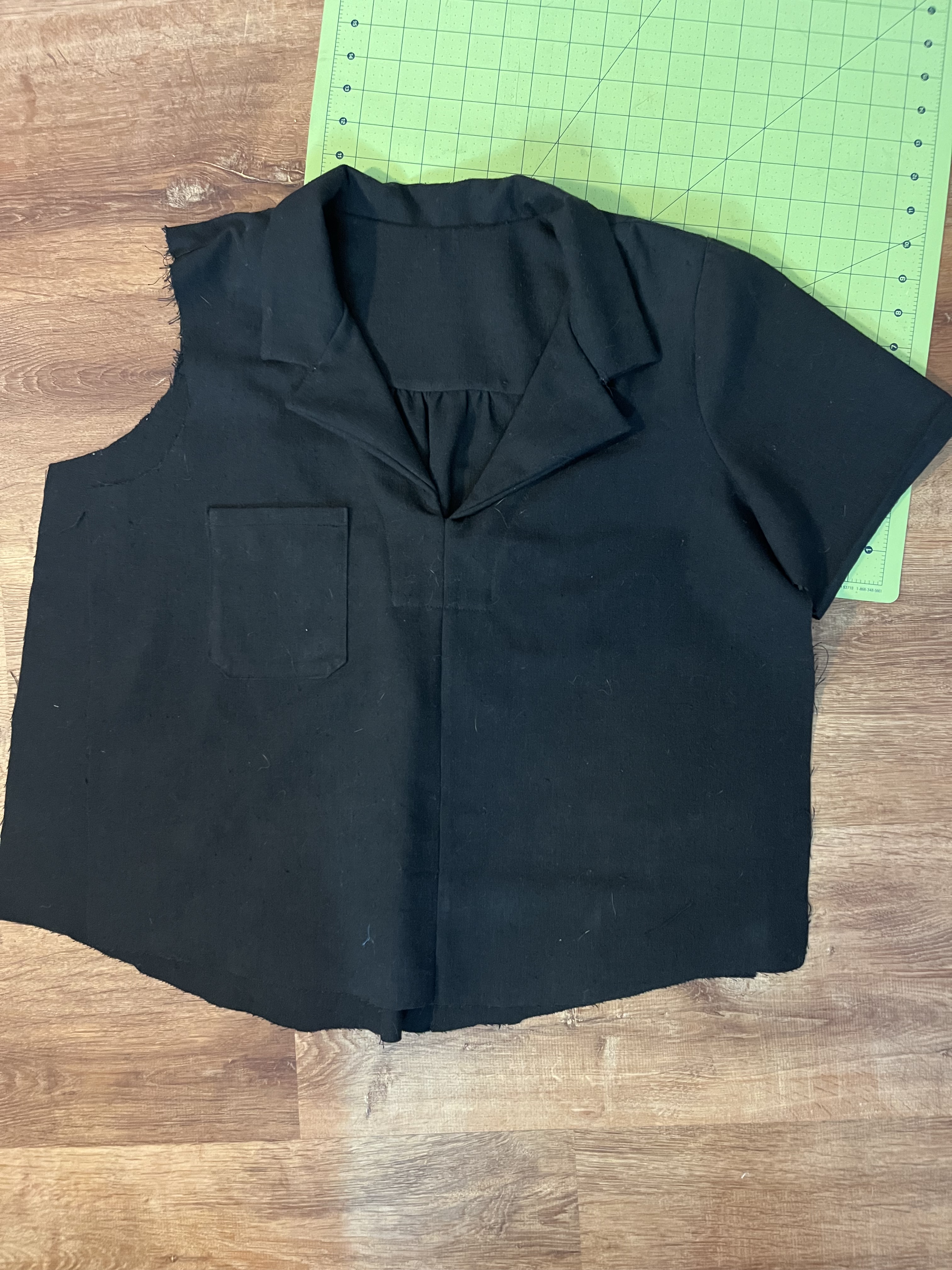
That’s a little bit how I think I feel about making clothes. I start off so excited and full of possibility but then reality sets in: I have to read the instructions and follow them and do the hard work of actually making the thing and learning something new. And now that my shirt is done (yes DONE!!!) I can reflect back on how I’m glad I made it and I feel like I’m a better person for having done it. I have a new found appreciation for how our clothes get made and all the work that goes into crafting them.

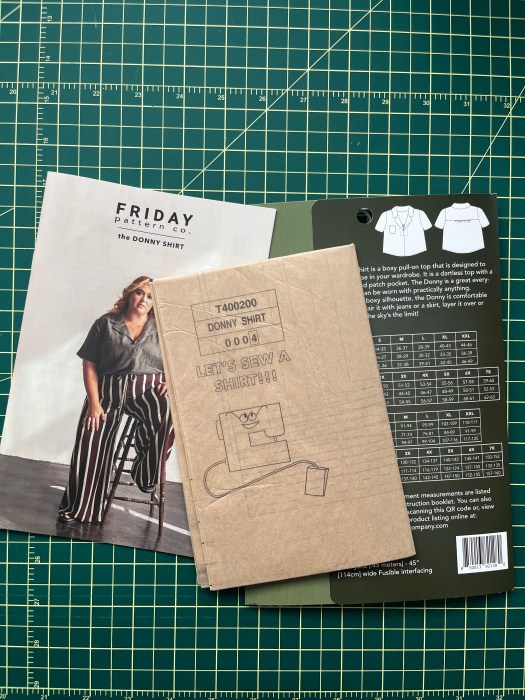
Pattern: The Donny Shirt by Friday Pattern Company (size range from 32″-60″ chest) I made a size L

Fabric: Black linen (I think?) from the Textile Center’s garage sale. It came from the linen section but people make their best guesses when shelving fabric so it could be a blend. Not sheer, has a very lovely drape.

Notions used: Black Guttermann thread, Weft Interfacing

Modifications: Added 1.5″ length to the body

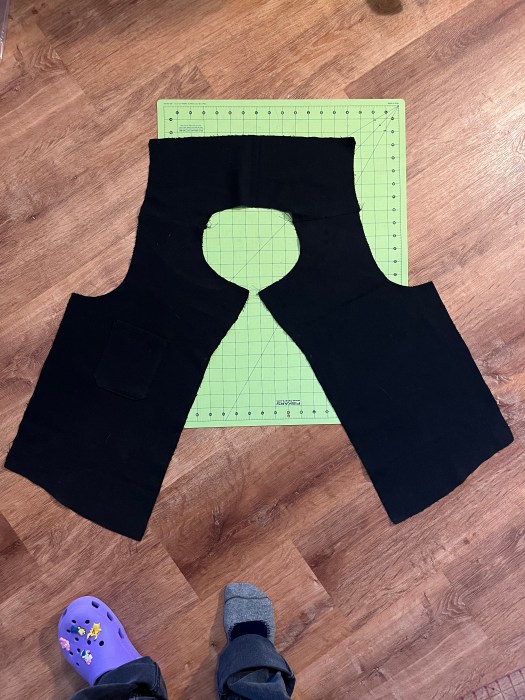
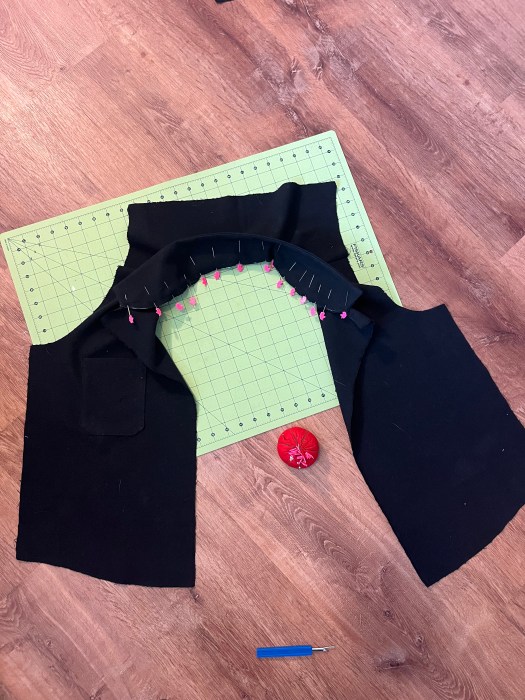
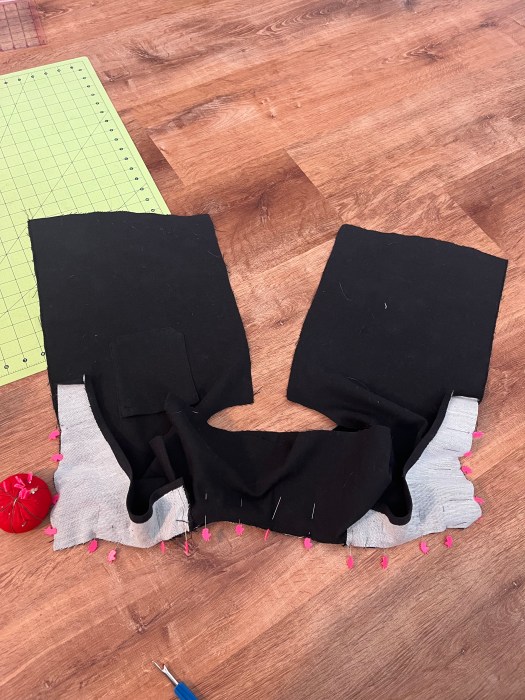
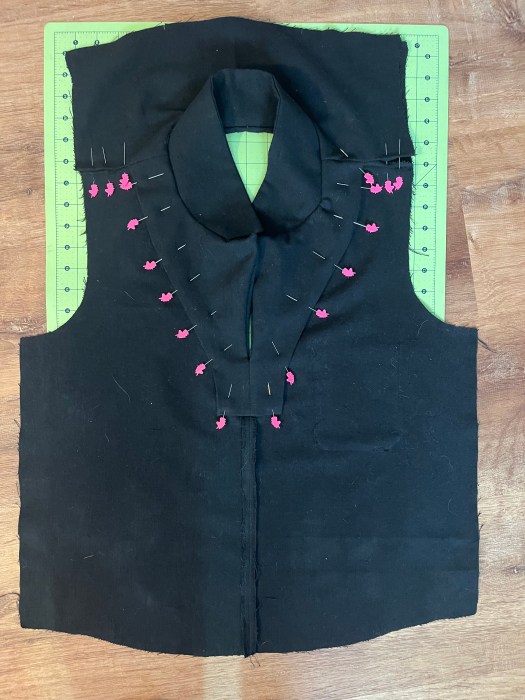
If you’ve been following along you may remember I selected this pattern in the fall of 2024 as one I wanted to make in a community education sewing class (here’s a post I wrote about getting started). I missed two of the six classes, once due to sickness and another for not having childcare. I spent most of my time in the class meticulously tracing and cutting out my pattern and cutting out my fabric. That’s it! Never got around to doing a single stitch. Sometimes I sign up for these classes as motivation to get started and while I technically started I didn’t get as far as I could/should have. I don’t think it was a total waste of time and money as I did get some valuable information out of the class and was able to start my project but I should’ve gotten a little further.

Project cost breakdown:

  • Pattern: $20, Paper pattern purchased at Lakes Makerie
  • Fabric: Let’s say $2? I got a grocery bag full of fabric at a sale and cannot remember how much the bag was ($5-15 range)
  • Thread: $3.50 from Joann’s
  • Weft Interfacing: $1. I got a 1 yard precut (plenty leftover for more projects) for $8.
  • Swedish Tracing Paper: $3. I spent About $20 for a roll, also from Lakes Makerie (but I can’t find it on their site currently).

Total: About $29.50

I would pay $50-$75 (maybe even more?) for a nice black linen shirt like this as a wardrobe staple, so $30ish all in feels good to me. The pattern will over time also pay for itself as I definitely plan to make more. I can make more in different sizes since I traced it rather than cutting out the original.

It’s important to remember too that for me, anyways, the bottom line isn’t to always save money. Mostly it’s just fun, and that’s good enough of a reason! The act of making, getting to be creative, use my hands and learn a new skill are also all prime motivators for me.

Pattern Selection and Modifications

The Donny Shirt at Lakes Makerie

I went to Lakes Makerie to buy the pattern and they happened to have an already made Donny shirt on display in the store. They graciously let me try it on–it was a medium and while it fit I wanted a little more ease. This was such a great bonus, to be able to try on before I sewed! I feel so lucky to have a good shop in my city that is so focused on garment sewing and lets their customers try on a made garment.

Based on the made shirt I tried on and reading about other’s experiences on Instagram making the Donny, I decided to lengthen the body by 1.5″. I don’t have a particularly long torso but I don’t like a super cropped shirt. It ended up being a good decision! I’m very happy with the length.

Working With The Fabric

I really hate to take the added step of prewashing my fabric (hassle) but I didn’t know what kind of life this fabric had before it came to me and you gotta prewash so your made garment doesn’t shrink after the first wash. I did it, I prewashed. I made the absolute boneheaded mistake, however, of prewashing it with a load of laundry and no color catchers. DON’T DO THIS, IT WAS SO DUMB OF ME because of course the color ran and stained a bunch of clothes. Going forward I think I need to wash this shirt separately from everything else because how will I know if it’s going to bleed again? I mean, if you have any tips please reach out (can I soak it in something?) because I do hate to have clothes that are fussy to wash.

If you’ve ever sewn with a woven or linen you know that they are more prone to fraying and this fabric was no different. I don’t love that but it wasn’t a deal breaker, I still love to work with linen because of how soft the fabric is.

This was my first time making a black garment and I will say, it was pretty tricky at times to see everything and I don’t think my eyes had anything to do with it. I utilized daylight, an Ottlite, my overhead light, the built-in light on the sewing machine and two lamps just so I could see what the heck I was doing. On the plus side, sewing black thread on black fabric is very forgiving. Can you see any of my crooked stitches? No? Me neither. I think the most challenging part of sewing the black fabric was when I was finishing some of the inside seams with a zigzag stitch and really couldn’t tell if I was doing a good job or not. They’re not pretty but hopefully they’ll prevent the seams from fraying further.

Sewing With Real Fear: Setting The Sleeves

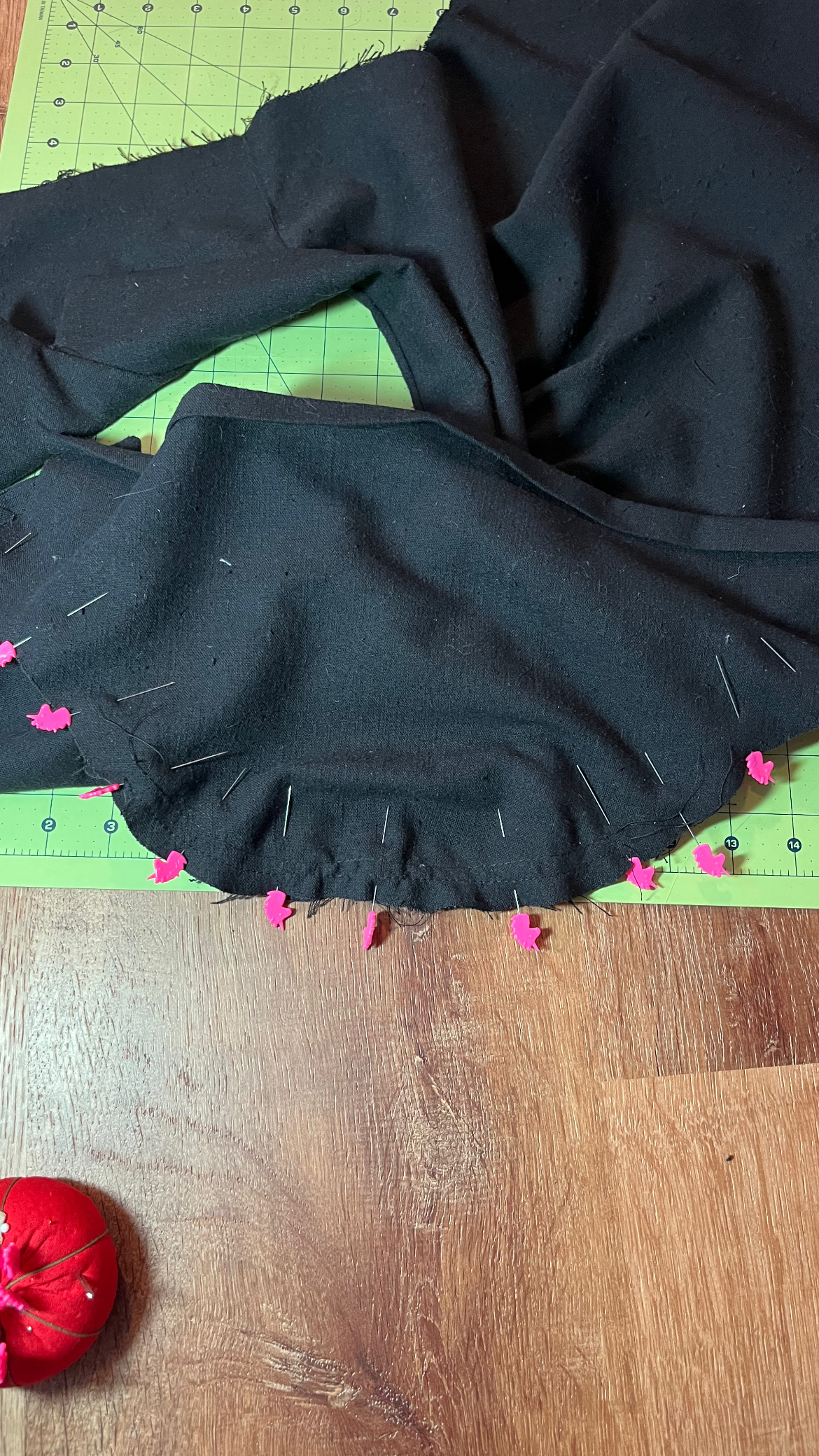
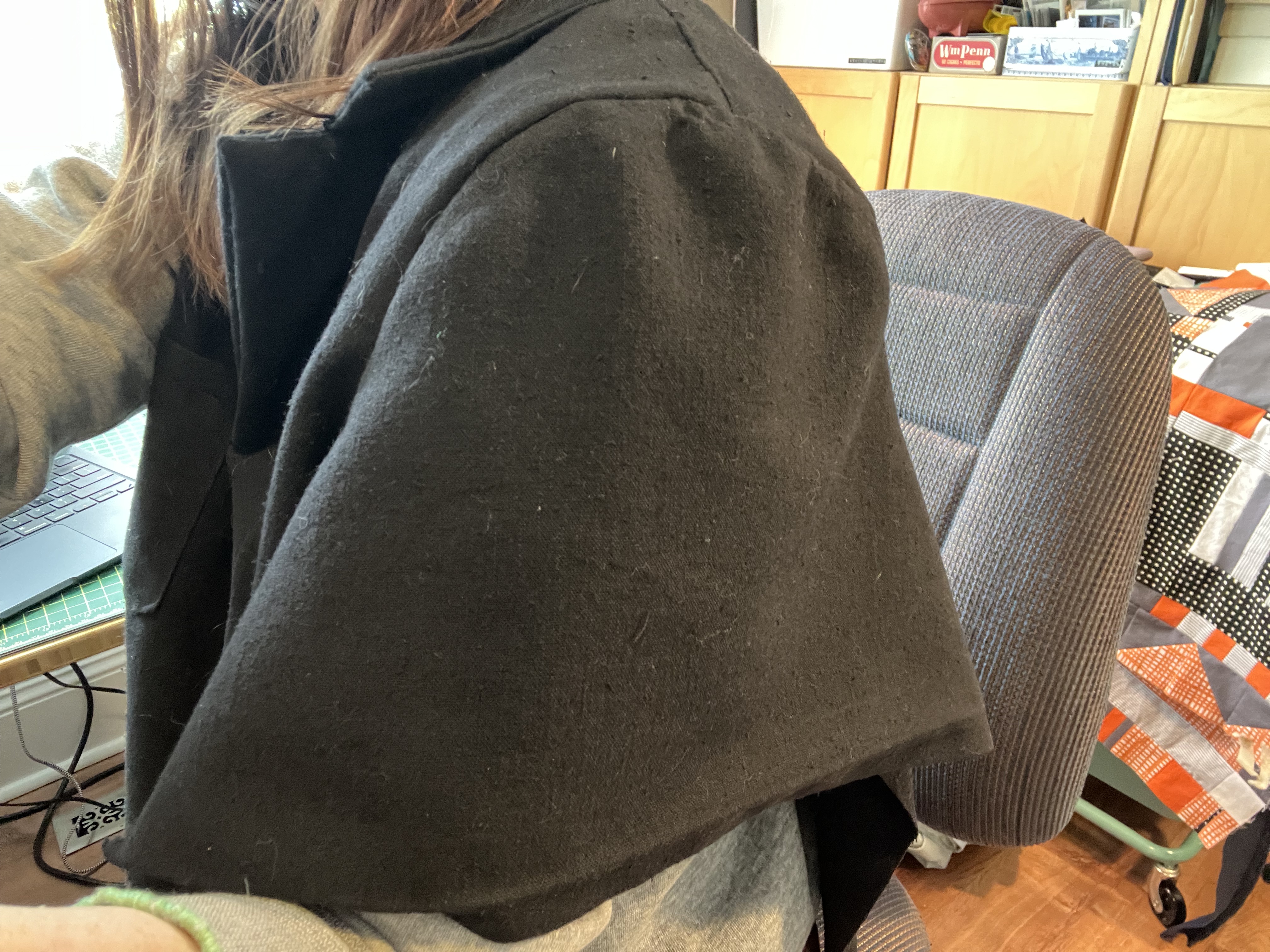
I’m getting better, but there’s almost always something with every sewing project that incites some fear into me. For The Donny shirt it was setting in the sleeve. Having never done this, I was afraid. I was told it was tricky and that’s all my little brain needed to hear for me to go oh no this is hard RUN AWAY. What if I screw it up?? I really have to work against my own brain here to tell myself there’s nothing to be afraid of, you’re not like, sewing a wedding dress for someone who is getting married tomorrow (but oh great, now I will probably have that happen in a dream). You are literally making a shirt for yourself from cheap fabric FOR FUN. THIS IS FUN. So I did it and ya know what? I didn’t even have to seam rip the sleeve, I did a great job. I did accidentally create a crease while doing the zigzag stitch finishing of the sleeve but I just did a little seam ripping and tried again. IT WAS FINE!!! And I am very brave.

Fun Bits: I Love To Learn

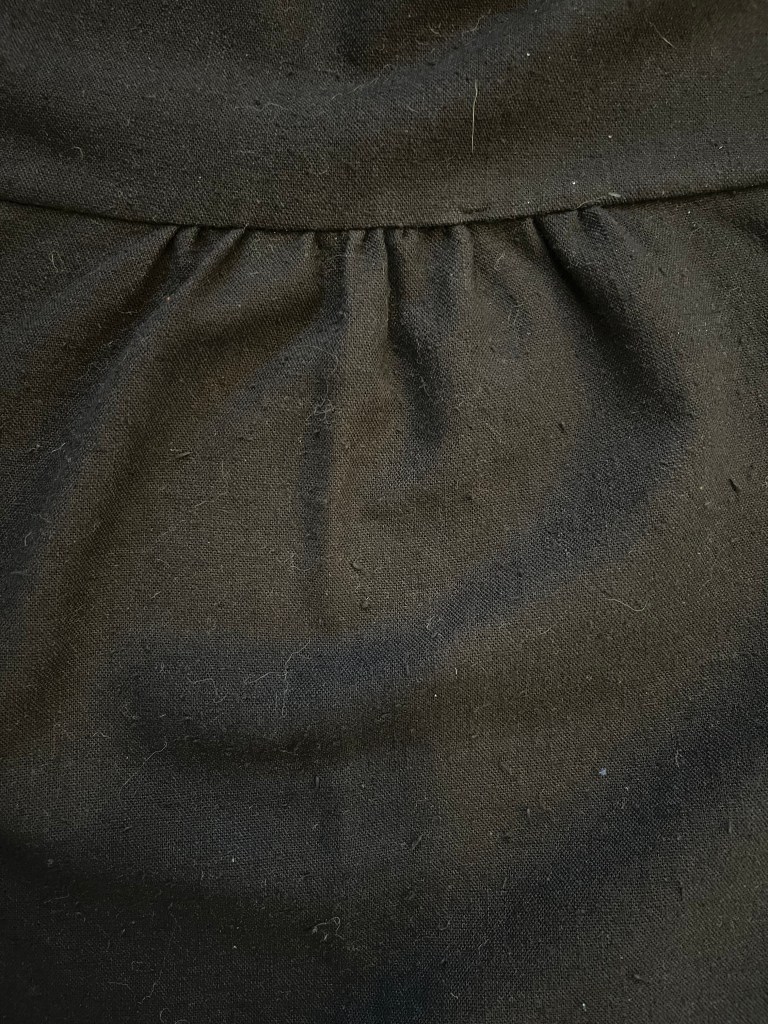
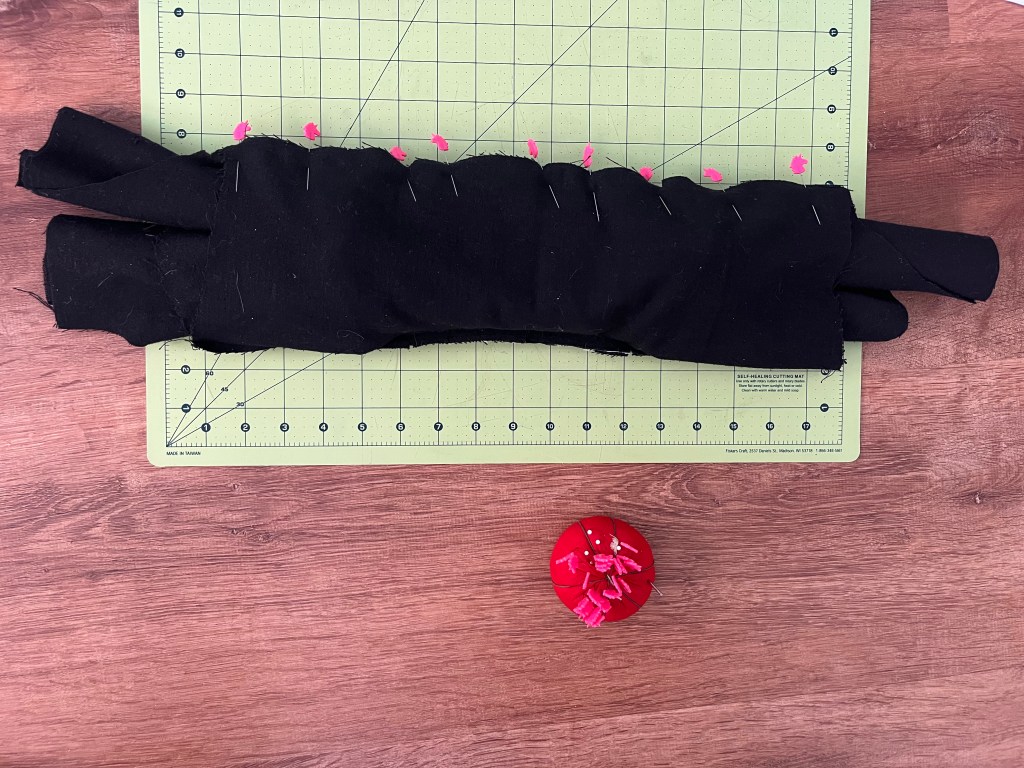
Aside from learning how to set a sleeve I also did gathers for the back of the shirt. My mom happened to be in town while I was at that step so she assisted (mostly just checked my work, thanks ma) and that was nice to have her there for that new skill. I really liked pulling on those threads to make the cute gathered back at the back yoke!

The other fun new thing was doing the “burrito method” for sewing the two back yoke pieces together. This is where the YouTube sew along really came in handy and the pattern instructions even calls out the fact that you might want to watch the video on how to do this step. It looks totally confusing and weird but encases the back seam of the yoke really nicely. It’s fun to learn!

Future Donnys

As I already said, I’m glad that I selected a large and lengthened the body, that was the right move. I’m not 100% sold on the low V and right now, at the end of January it feels a little chilly to wear it. For my next Donny I’d likely modify the V so it doesn’t go so low (I think Francesca of Made By Francesca has done this for her Donny’s but I can’t find a post on it right now).

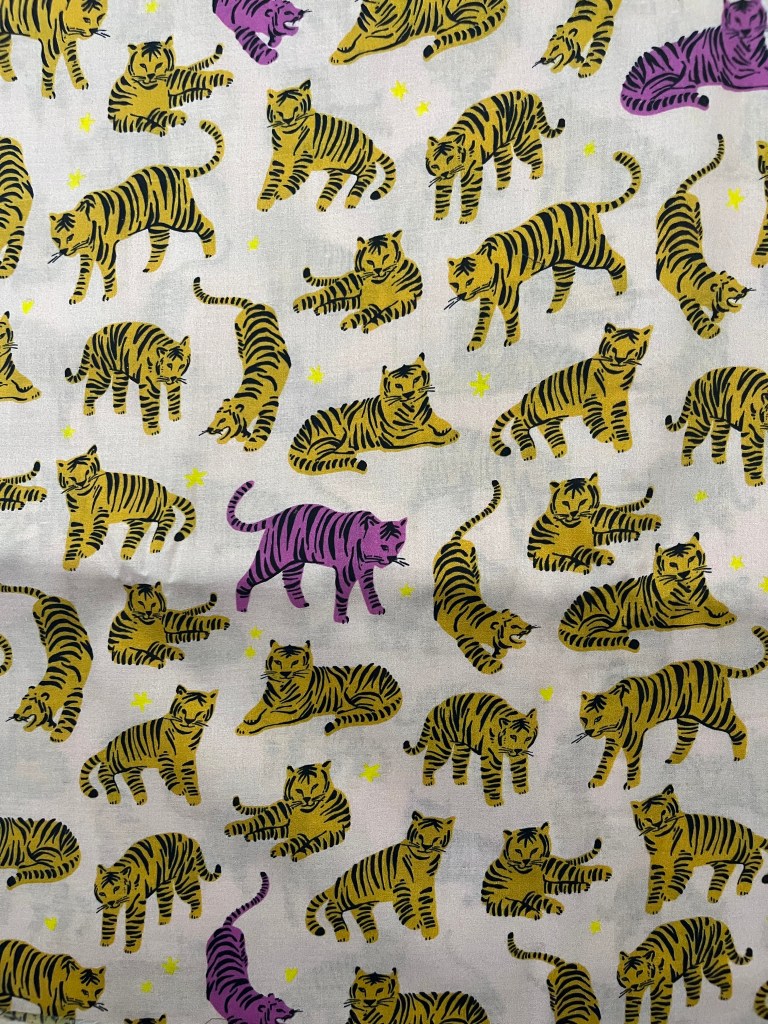
As for fabric, I’d like to make one in a print and I’d like to try out double gauze, I think that in particular would look really nice as a Donny shirt and I don’t have any double gauze shirts! I also have 3 yards of a cute tiger fabric from SR Harris that I intended to use for pajamas but a Donny shirt as a summertime PJ shirt would be p. cute.

Wild and Free Tigers by Hello! Lucky for Robert Kaufman Fabric

I finished the exposed inside seams with a zigzag stitch, as stated earlier, but these seams really would look nice if they were serged. I’d like to face my fear and learn how to use the serger.

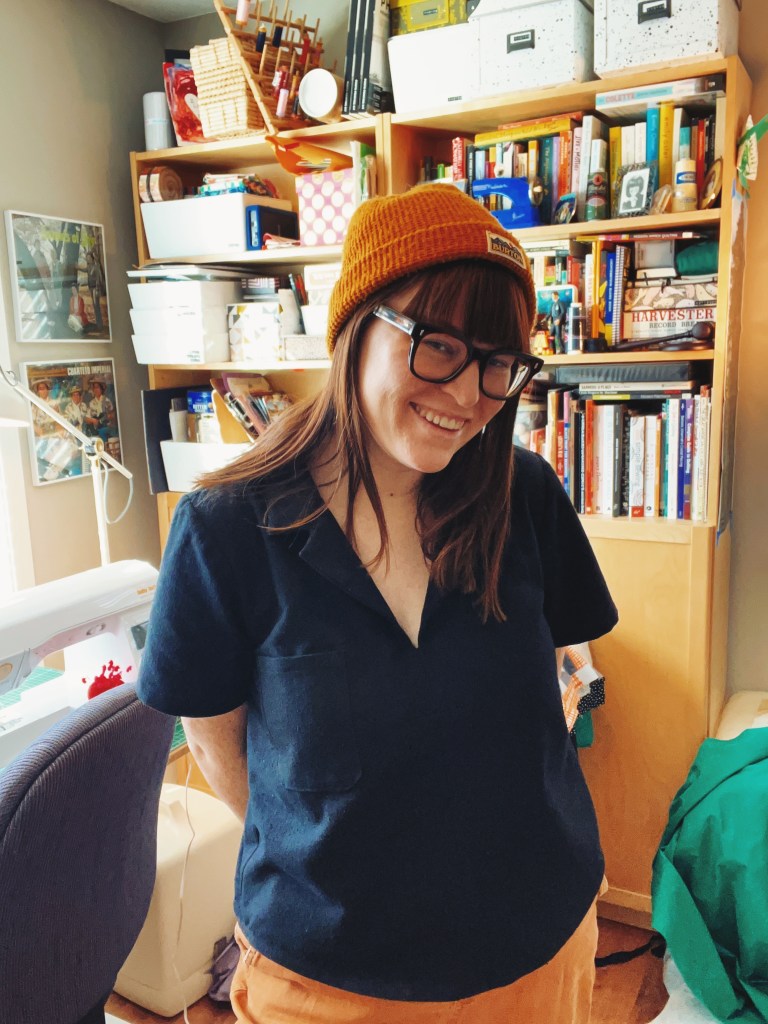
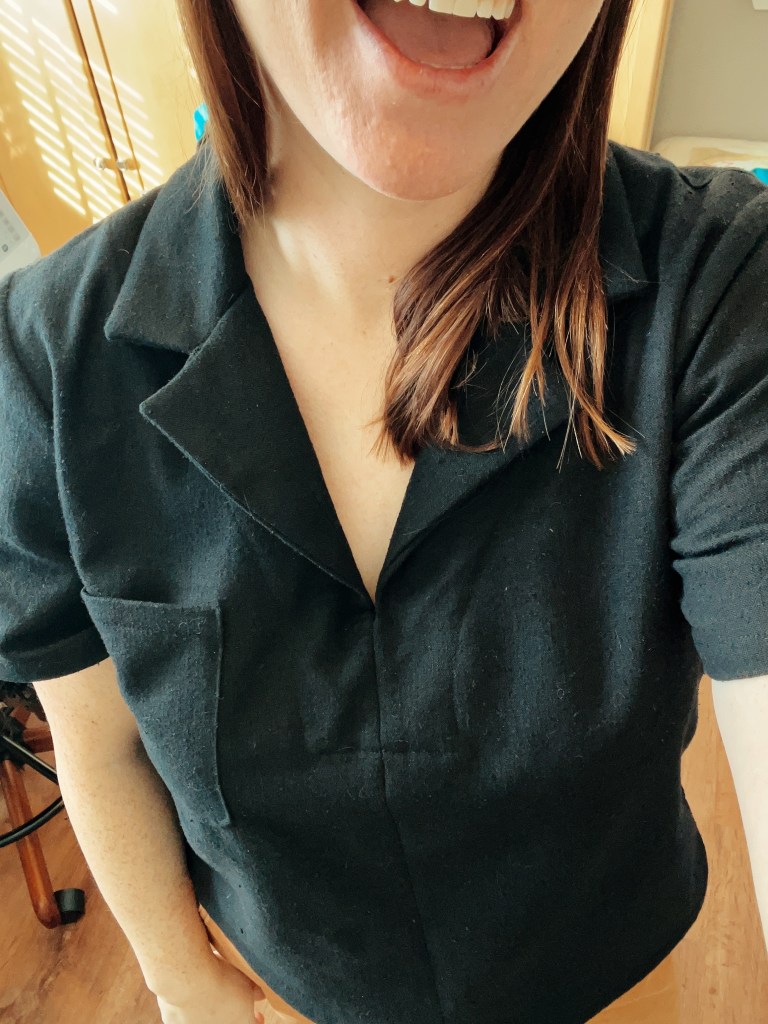
Oh, and lastly, let’s talk about that pocket! I 100% wanted to place the pocket on the left. My next Donnys will have a pocket on the left. That’s what I thought I was doing when I was sewing it on. I was SO MAD I did it incorrectly, it really bothers me that I put the pocket on the right. I could move it. I could’ve moved it at the time. It bothers me. I’m not going to move it though hahahaha.

Final Thoughts

If I could turn back time I would probably make a different fabric selection and start with using a print, rather than a solid. That would’ve made it easier to follow directions and follow along (and also see what I wrote above specifically about working with black fabric). I’m not mad that I made a black–it’s exactly what I wanted for my closet and will absolutely become a staple.

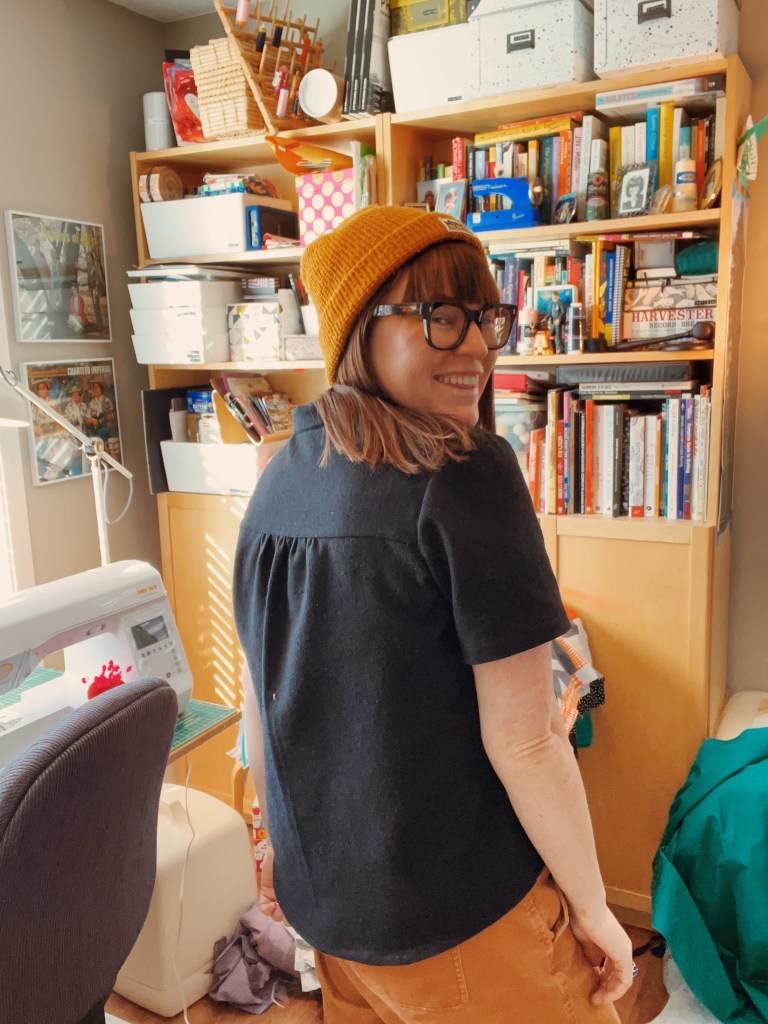
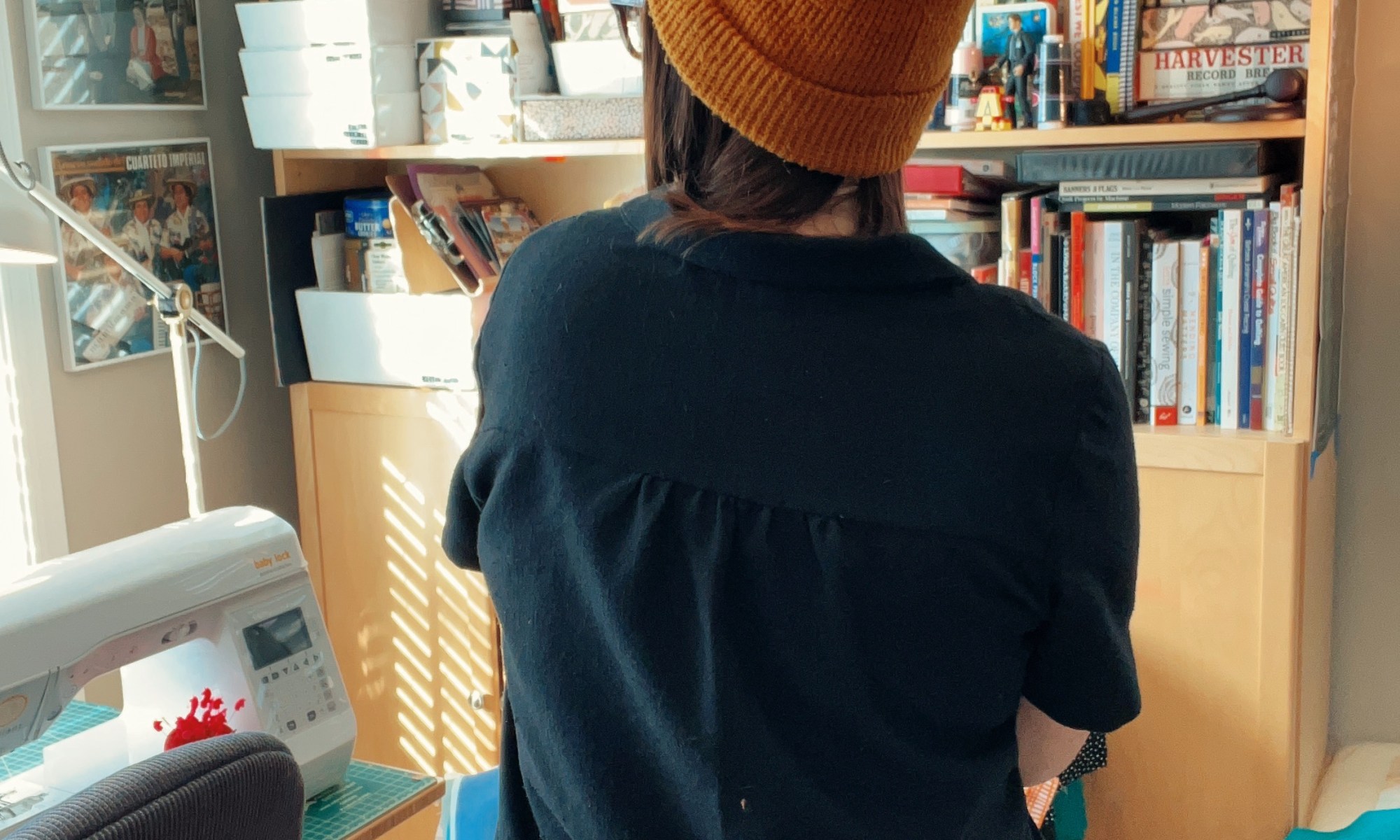
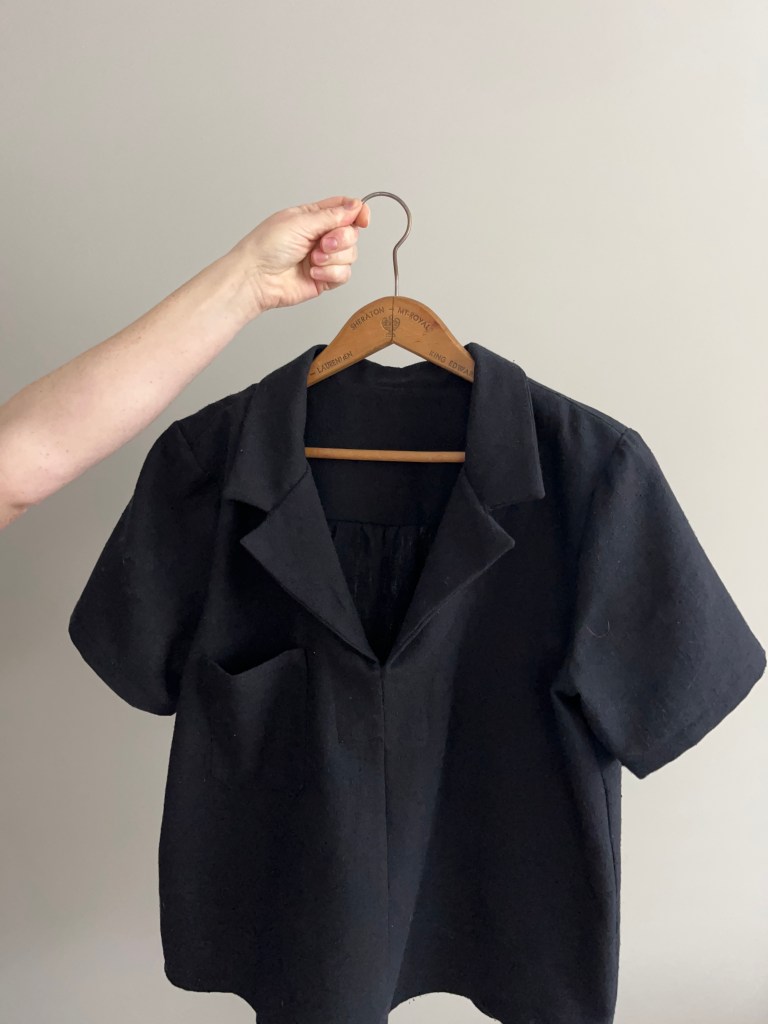
Wooden hanger worthy

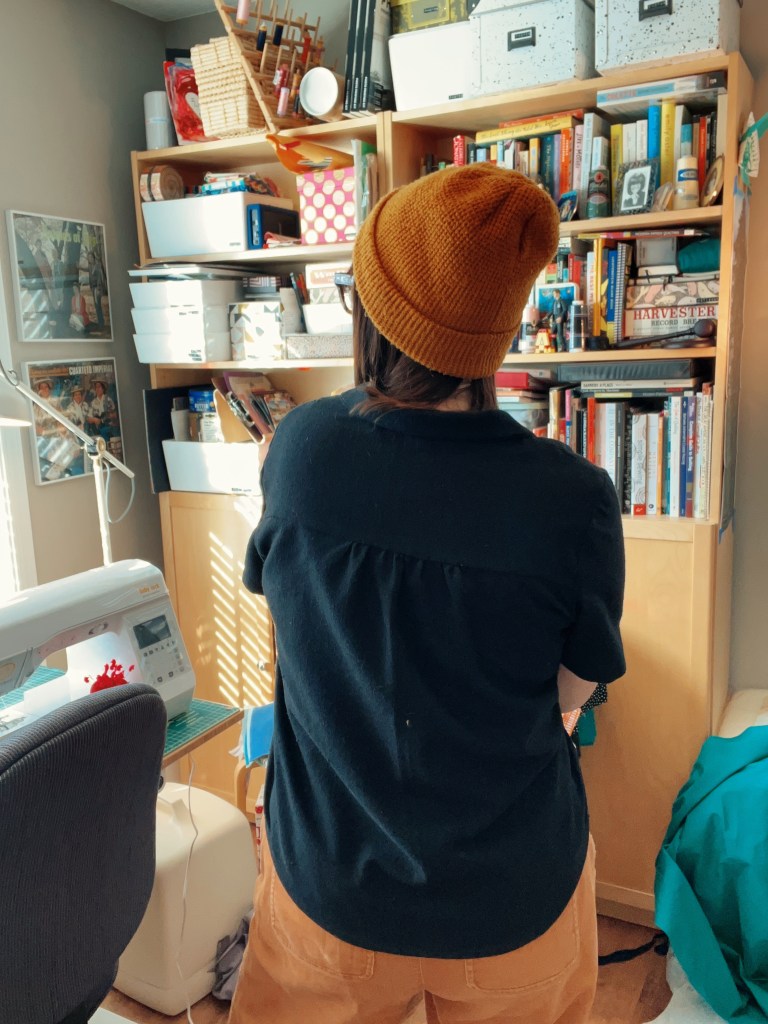
When I finished up the hem and pulled it off of my machine I was in total awe. I really, truly cannot believe I made this shirt! It looks like something I would buy and that’s what’s really blowing my mind. I remember thinking at one point in my life that making clothes seems so challenging. Making clothes that fit well? That you want to wear? It feels like a revelation to have something in my closet that ticks those boxes.

This might be the most ethical garment in my closet? I bought a pattern from an indie pattern designer from a local independently owned shop and I got the fabric secondhand at the Textile Center’s biannual garage sale.1 Please clap!!!! #savetheearth #earthmama #natureishealing

Making this shirt was just the confidence booster I needed to keep going and stretch my skills. I think I’m ready to tackle a button up, or maybe I will finally get at that Tamarack jacket I have all cut out and ready to sew. Thanks, as always, for reading!

Ecstatic!!!
  1. Speaking of that garage sale, if you are in the Twin Cities and sew, knit, crochet, embroider, weave, etc you definitely need to check it out, it is bonkers good and I highly recommend it. People donate fabric, notions, yarn, patterns, embroidery hoops, sewing machines, weaving looms, books, etc etc, anything related to fiber arts and you can get them for a fraction of the cost anywhere else. I got 2 grocery bags full of fabric for $15/bag. Or was it $5? Honestly either is fine with me, proceeds go to the Textile Center which is a nonprofit. I volunteered which helped me to get in early and also get a good overview of what’s on offer. In addition to the fabric I got patterns, an acrylic ruler, pins, bias binding, elastic, rickrack, a tailor’s clapper, patches, two tailor’s hams, snaps, and bias tape makers. I probably got more than this but that’s just what I remember off the top of my head! The next one is in the spring, April 11-13th, 2025. ↩︎

Sewing The Syd Graham Ruby Vest From Scraps

I have a folder full of drafts but this is what I want to write about today and I have some time to do it! Here’s everything I have to say about sewing the Ruby Vest.

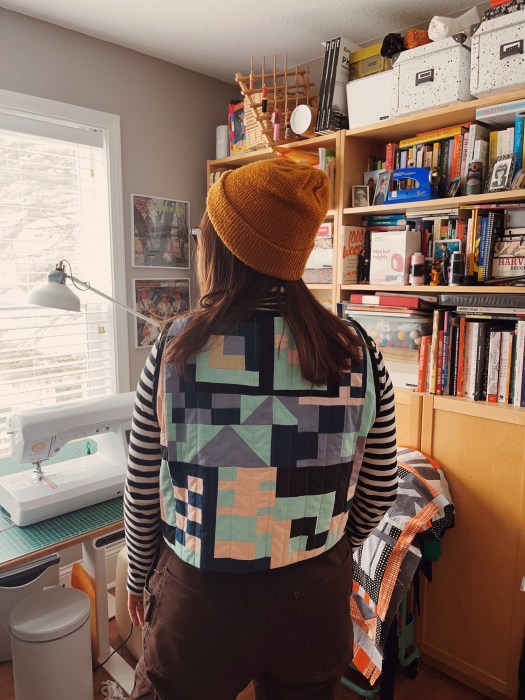
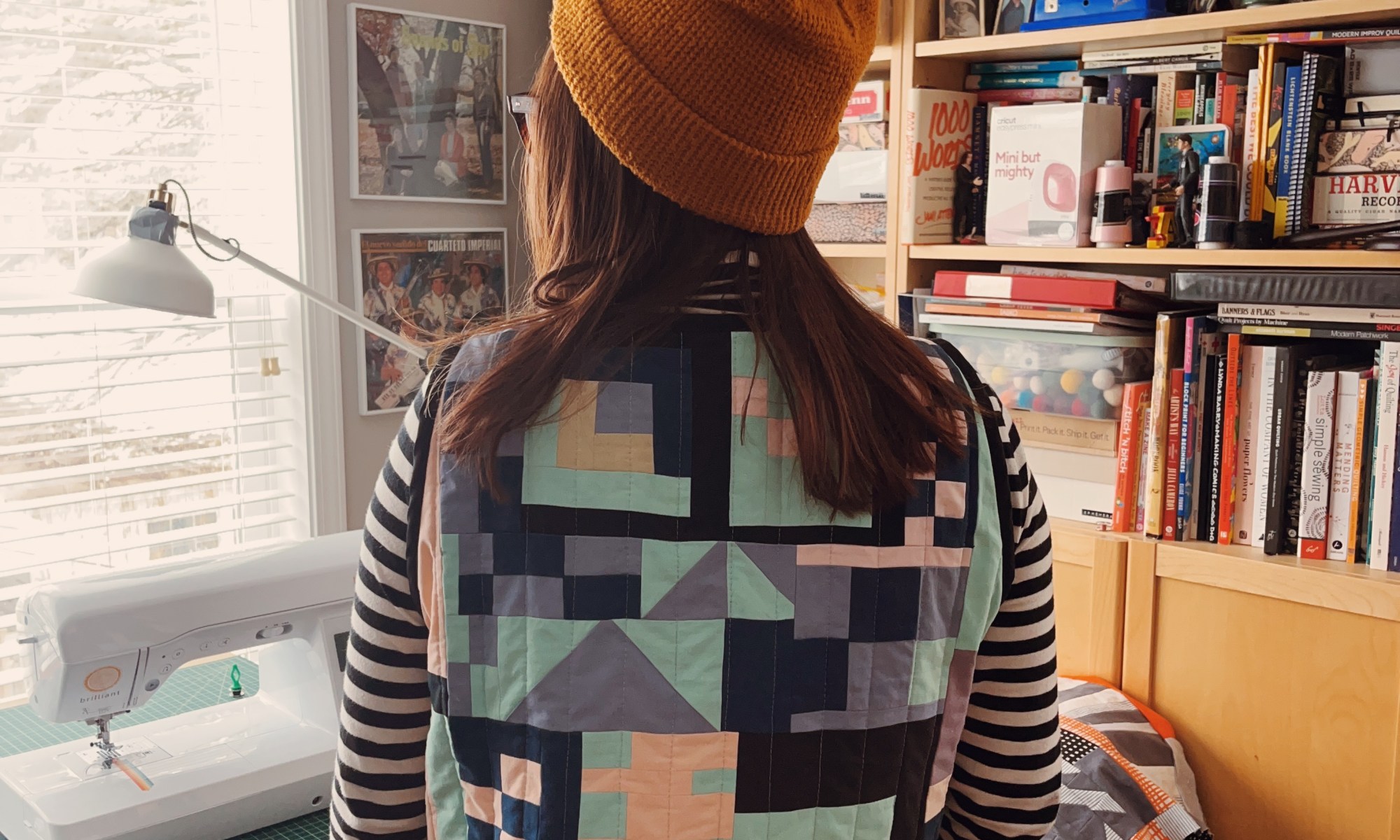
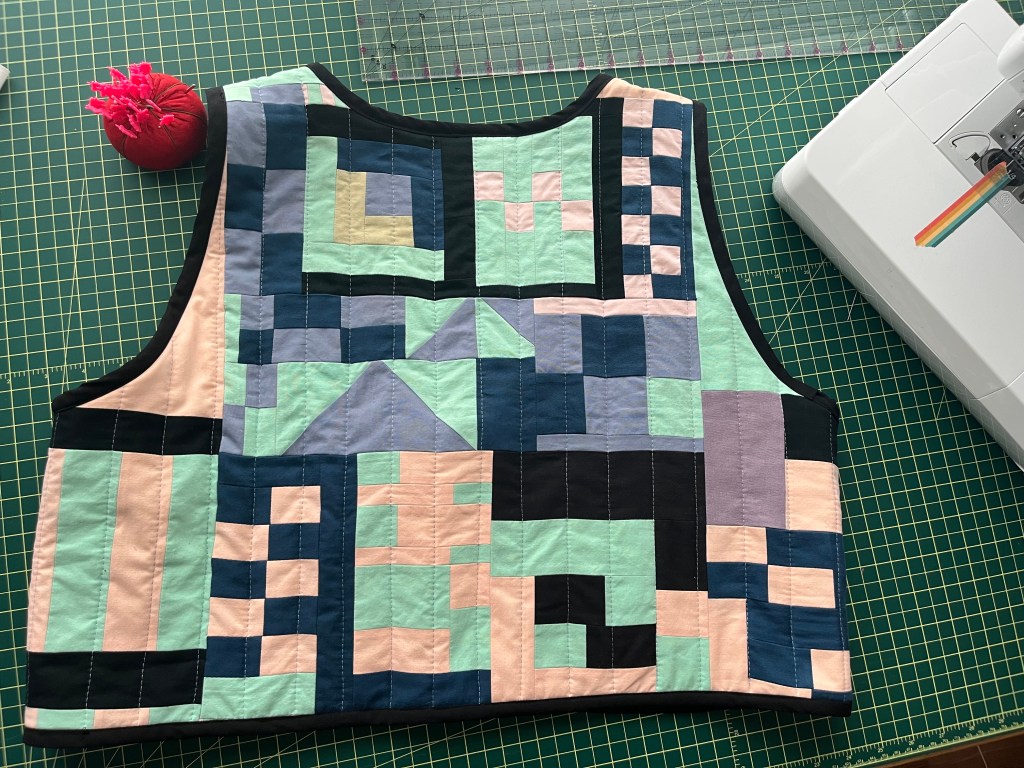
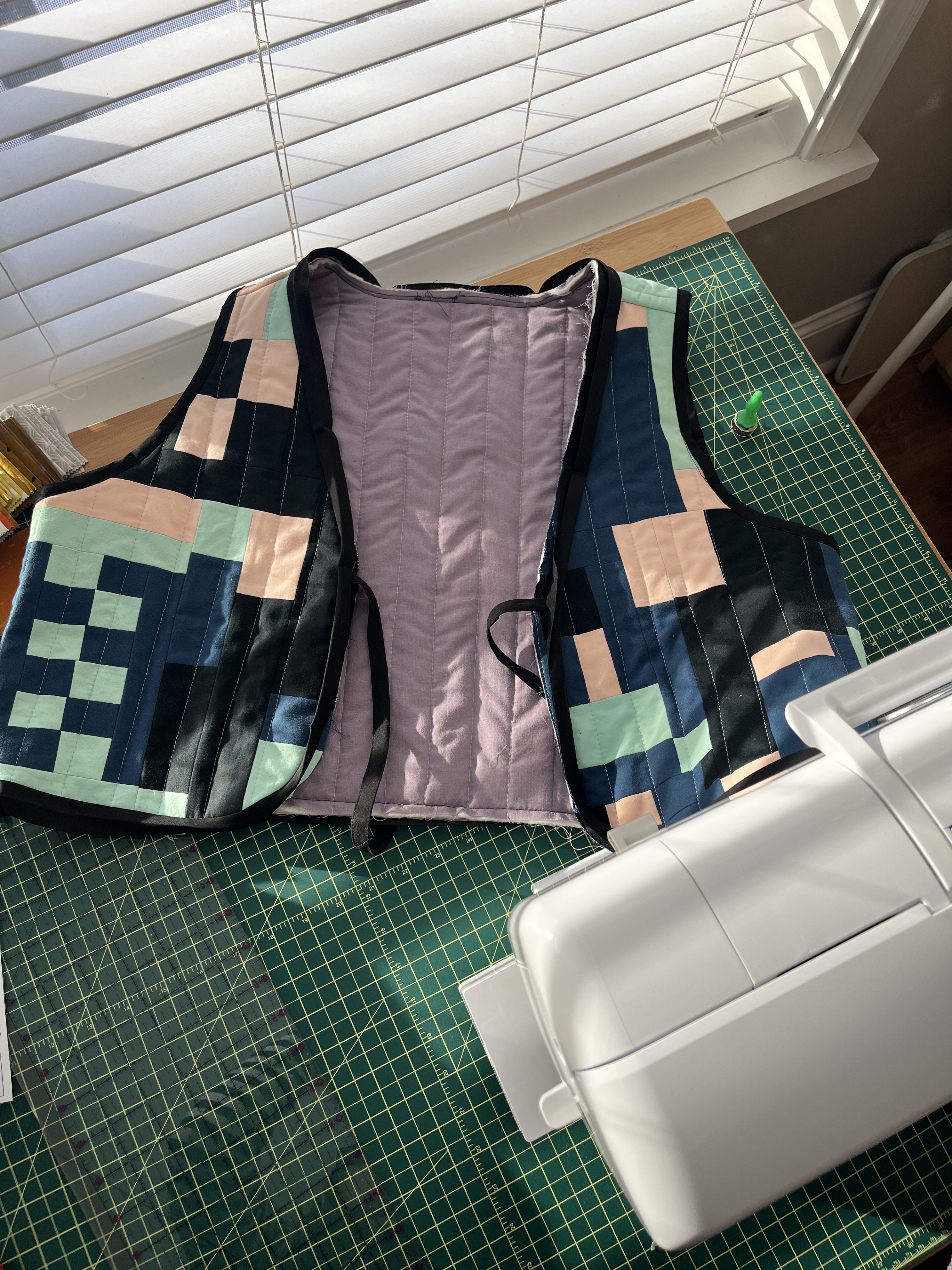
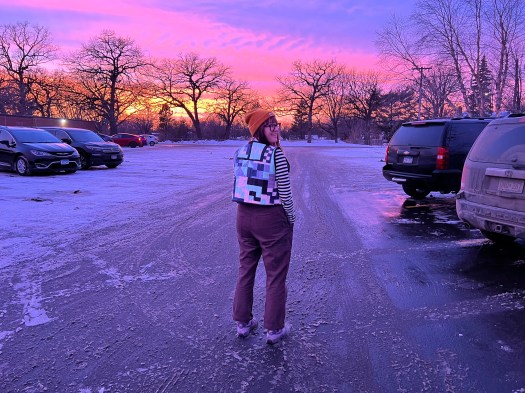
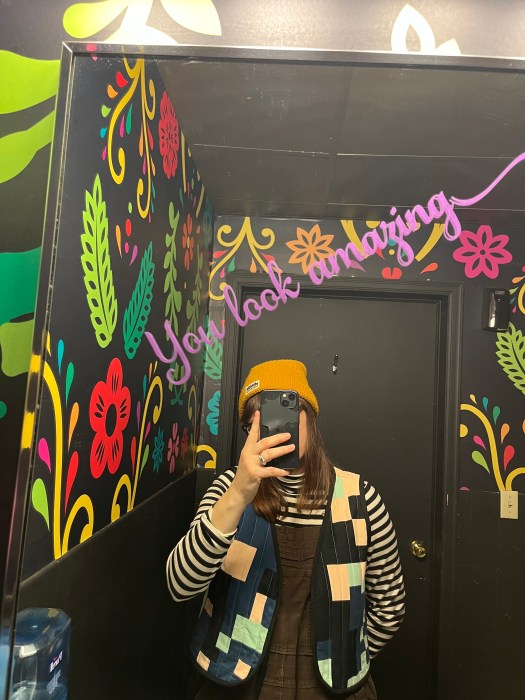
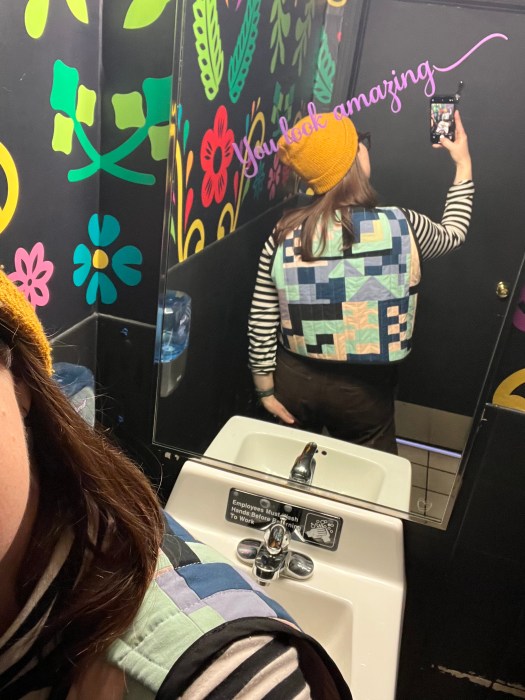
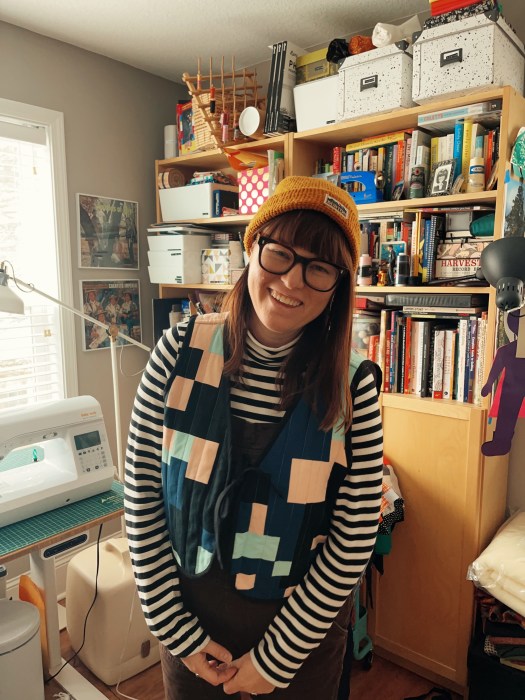
My finished Ruby Vest

The Ruby Vest is a very popular make among home sewists, and for good reason–it’s cute, it’s fast, it’s reversible, it’s customizable, and it’s very beginner friendly. Check out the hashtag #rubyvest on Instagram and you’ll find hundreds of vests and they’re all so cute. I would venture a guess that most people weren’t vest people before making this vest. Now we are. The last time I owned a vest was in high school–an off-white puffy Roxy one that I tried to use in lieu of a coat but ya know that never works. Having a vest to use to accessorize an outfit is much better.

Print The Pattern, Tile It Out, Tape It Up, Cut It Out

Only a few pattern pieces to print and cut out!

This pattern doesn’t come in a physical copy that you can buy from a store, it’s PDF only (or projector files). I am coming around to print-at-home patterns, and one reason why is this pattern allows you to open the PDF in Adobe, turn off the sizes you don’t need (each size is on a different layer, you just turn off the extra layers) and print out ONLY the size you are cutting! This was a revelation for me. It makes cutting the pattern a cinch, I wish all print-at-home patterns had this feature. Until I get a projector, this is the next best thing. If you’re a little confused about what I mean, Syd made a YouTube tutorial on how to print and tape your pattern together and she walks through how to turn off the sizes you don’t need so those don’t print.

Choosing My Materials

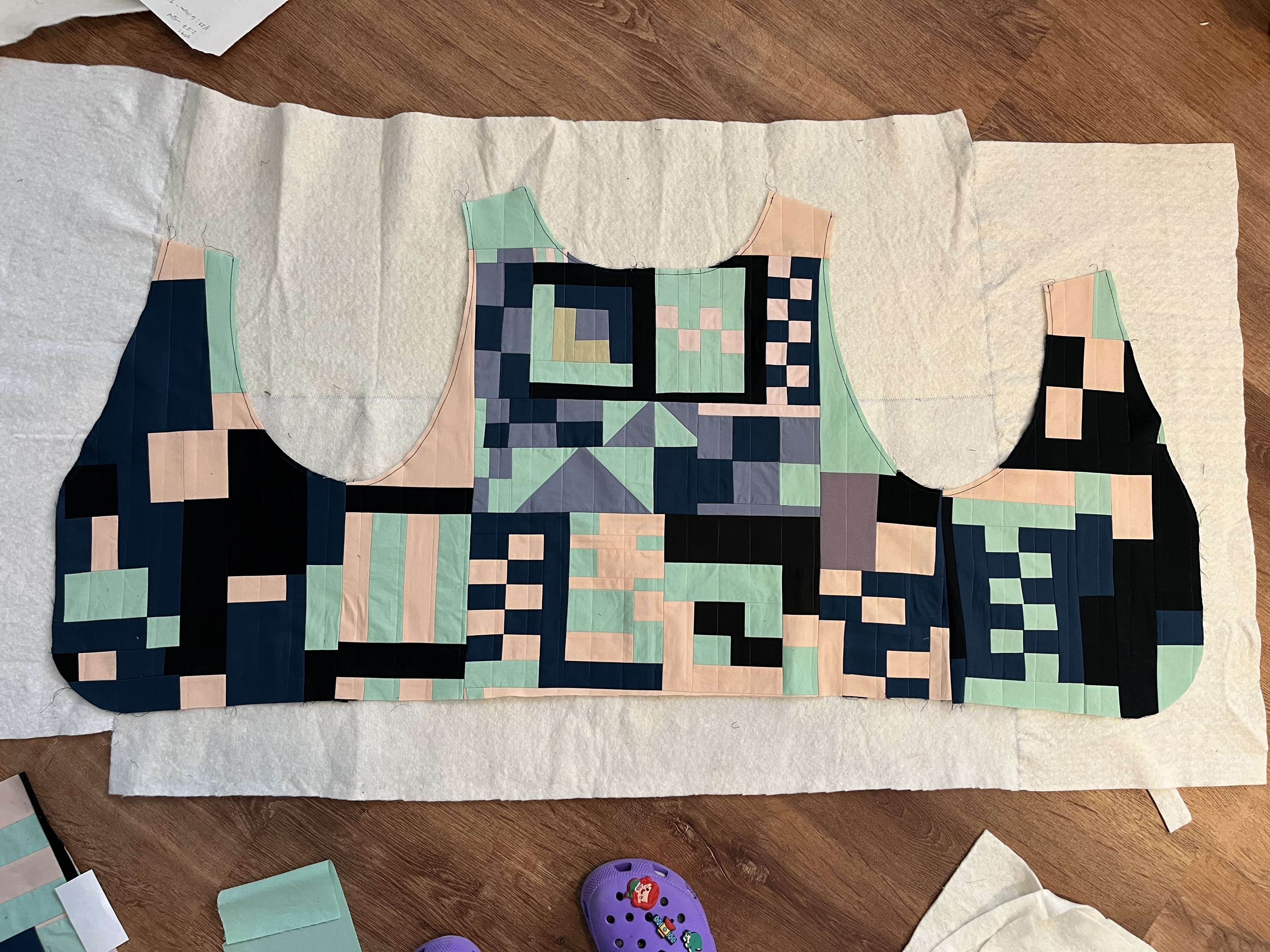
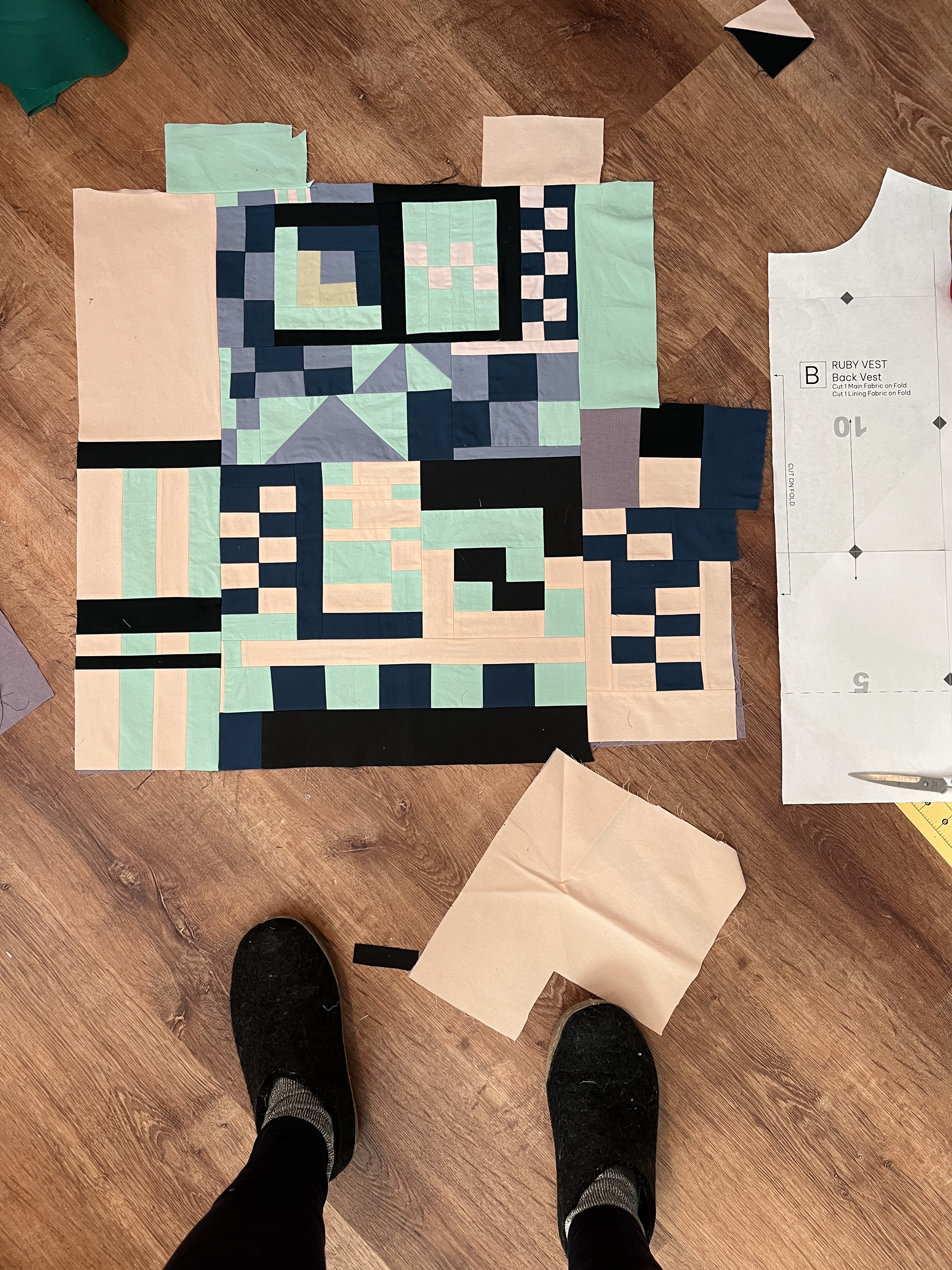
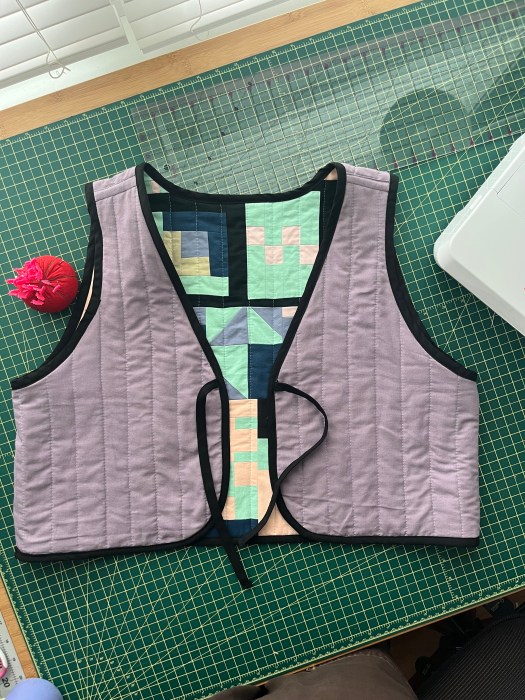
I always have a hard time starting something when it’s a new skill. One thing that helped launch me into this project is I decided to use what I had and not be precious about it. I tried out some of my yardage and couldn’t puzzle out how to cut all of the pieces from what I wanted to use, so then I turned my attention to a panel of improv quilting I did summer of 2024 from some scraps I thrifted. I’m nearly positive these scraps were once sheets. Most seem like cotton, some might be cotton/poly blends. The piece I had started making wasn’t quite big enough for the back so I added on to it. I got lazy with the front panels and mostly just did improv squares but it’s kind of a nice contrast to the busier back. I don’t regret it. When I finished the back piece and held it up to my back I realized the ruby vests I gravitated towards the most were cropped, so I went ahead and hacked off a few inches (hours of work!) and then continued to make the front panel pieces at the cropped length. It was the right move! I like the cropped length so much.

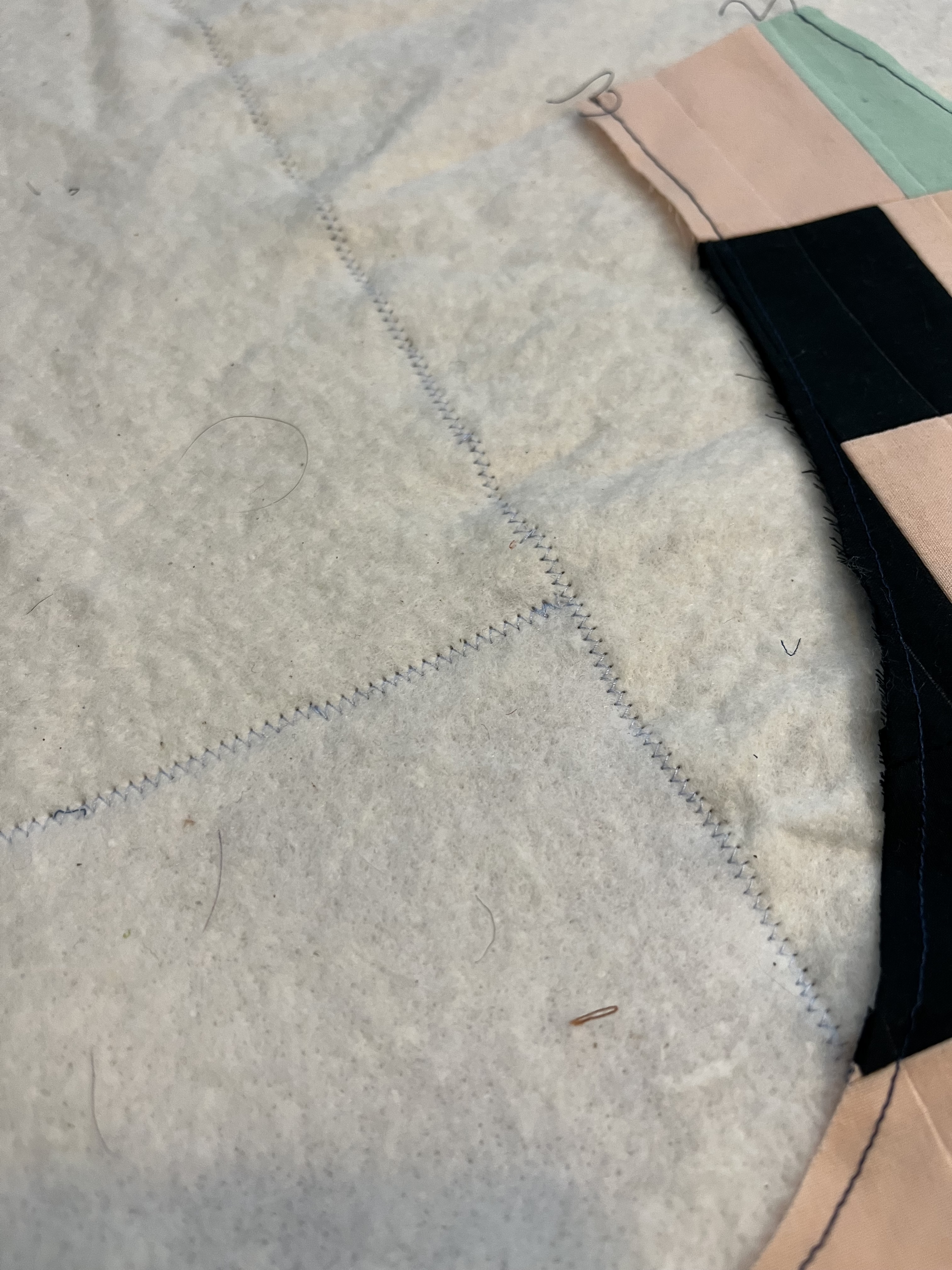
Aside from the thrifted scraps I used for the front main pieced fabric I used a purple thrifted sheet for the interior fabric. I really didn’t want to buy new batting just for this project so I made some frankenbatting by zigzag stitch sewing together some batting scraps from previous quilts. I lined them up so nicely initially but in the end they didn’t butt up to each other super well and came out a little short on one side. It wasn’t a big deal though, I was able to lay the splayed out vest and just cut around what I needed. So happy I could use up what I had!

Quilting It Up

Faint lines from the hera marker and nice, straight quilting lines

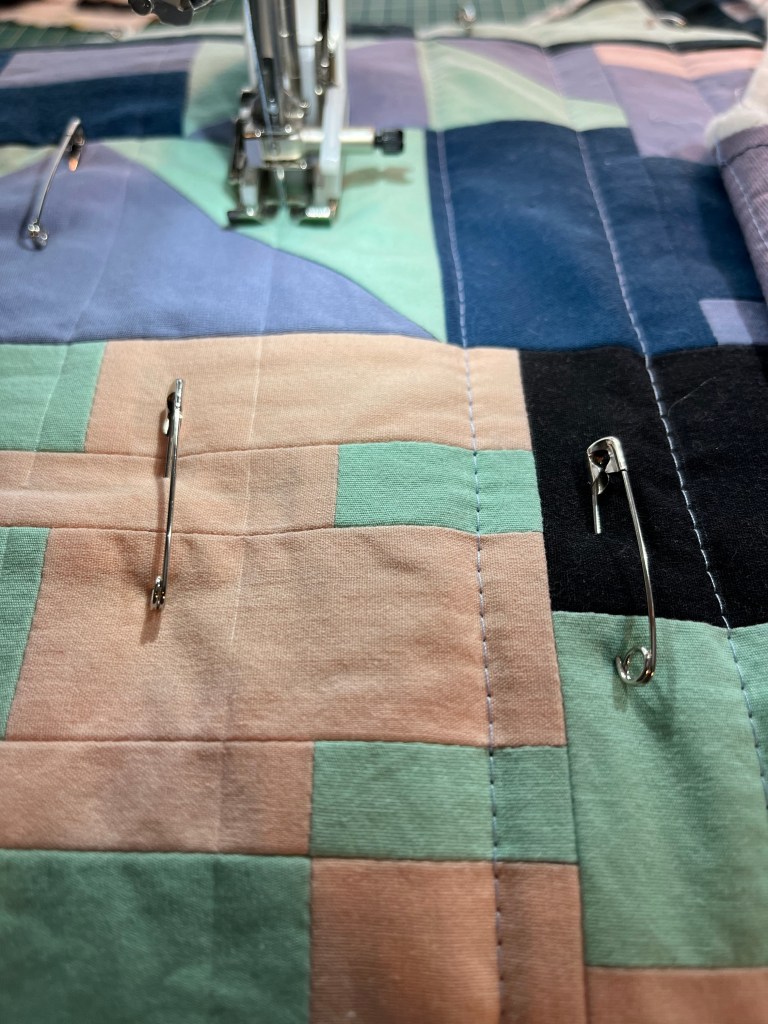
This vest was the first time (I think!) that I used a hera marker to mark my quilting lines! Syd recommends it, I already had one, so I tried it. I didn’t think I’d like using it and in the end I actually really liked it, I could actually see and follow the lines well. I did 1.25″ quilted lines that the pattern suggests. It quilts up so fast.

I am so dang lazy with changing thread color. I had this light blue Aurifil already loaded up that I was using for piecing and just went with it for the quilting. I actually never even held other thread color up to the fabrics, that’s how lazy we’re talking. I think this light blue thread is nice. I was also a little afraid I wouldn’t sew very straight so I didn’t want a thread color that was too high contrast. However, I did a great job quilting it and actually sewed my lines really straight! Like, I am VERY PROUD OF ME.

My only gripe about quilting it is I did break a needle while doing so. I kind of thought it was weird to put pins on both sides of the vest before quilting it. Next time I will take all of them out from the back side after I go crazy pinning the front. Also, it probably was a blessing in disguise? I never know when to change my needle out and well, breaking a needle will help you make that decision to put a new one in. I think I was using the same needle from quilting my last quilt (the Birch Point quilt, which I will eventually have a link to it here when I write about it). Overall–loved quilting it!!

Biased about Bias

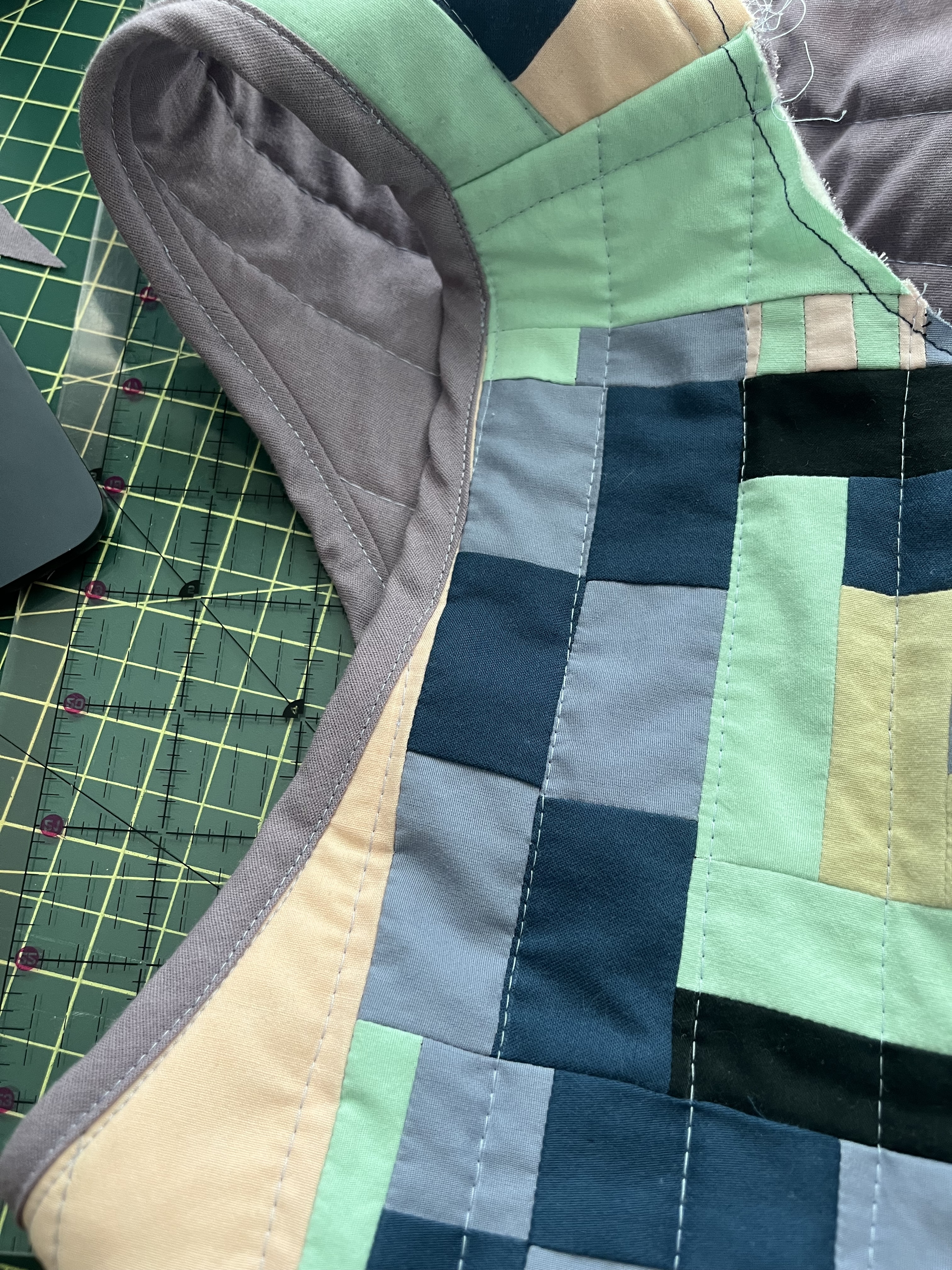
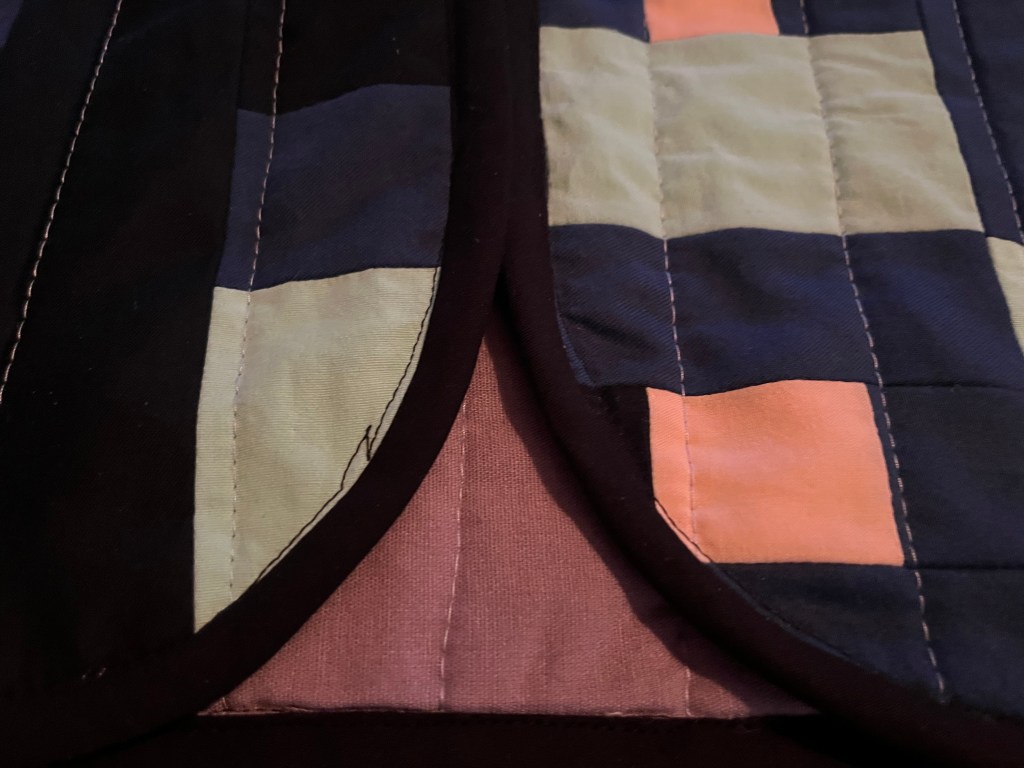
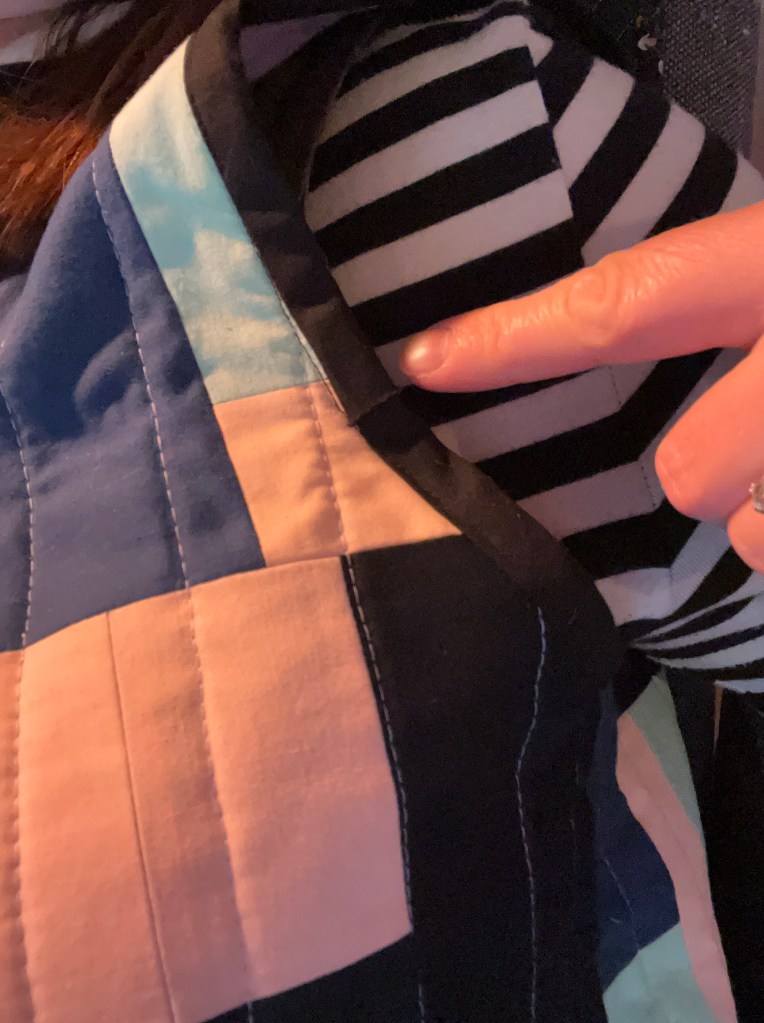
The pattern has you make continuous bias with that magic tube method. I have tried doing this before and failed. This time I DID IT, but I cut it SO badly that the edges were sooo jagged (literally what was I thinking?? I am used to rotary cutting and scissors just isn’t it for me). I tried making the bias tape work and sewed one armhole with it but it was bad, too bad to just leave it so I seam ripped it and decided to just buy black bias. I got Wright’s double fold at, ugh, Joann’s. Honestly though I do like the black for a nice contrast for the solid purple side. It was so easy to work with.

Would you have gone with the purple? I don’t hate it but like the black better

I disliked sewing the arm holes but mostly enjoyed sewing the bias around the perimeter. The curves at the bottom were a nice challenge but oops I screwed both of them up and sewed off of the bias binding. Oh well! I’m not going to fix it!

Oh and one more thing about bias–I cannot for the life of me join bias pieces. Ok I have successfully for a quilt binding but every spot on this vest where I joined bias is not very seamless. One day! For one armhole I had the bias join in the front and I do regret that, I should’ve had the bias join in a less obvious place. I don’t regret it enough though to want to seam rip and do it over haha, but it does bother me.

Written Instructions VS YouTube University

The instructions were written well, don’t get me wrong, but I almost exclusively used the YouTube tutorial sew along to make the vest. Praise be that there’s a video for this beginner. It’s one reason I love indie sewing patterns so much! So many have sew along videos or tutorials on tricky parts. They don’t have to do this but it’s such a nice perk. The length of it is perfect (30 minutes). I only have two critiques about the video–when she explains to start sewing the bias on the side of your main fabric first (she says this while she’s already sewing it, wish she had said so when she was pinning the bias on) and when she tries to explain joining the bias (the video could be clearer). Other than that, perfect tutorial. So much work goes into making a video tutorial so really, these are just a couple little nitpicky things!

Cost Breakdown & What’s Next

This vest is really a dream beginner’s project. I’ve seen two fabric shops in my city offer sewing the Ruby Vest as a class (and they are not cheap classes!!) so I guess I’m extra proud I tackled it solo with minimal mistakes. Here’s roughly what I paid for materials to make it:

Cost breakdown:

  • Pattern: $16, but actually free for me with an Etsy gift card (thanks mom!!)
  • Fabric: thrifted sheet (purple) $4? from Saver’s like 2 years ago so this info is lost to time
  • Front fabric scraps: $2?, also thrifted and likely old sheets!
  • Batting: Leftover pieces from previous quilts that I pieced together, so I’m calling this free
  • Bias binding: $2.99/package, used 2 packages

So, around $12 depending how you want to slice it (if you want to include the pattern in my cost breakdown then it was about $28 to make). And I guess the price doesn’t reflect things like thread, needles, and other notions I already have and use for making, like safety pins and Wonder Clips (I need more of these though, I only have 9!).

But $12 for a wacky one-of-a kind vest? Are you kidding me? Sewing is magic.

I am going to take another look at my fabric stash and hopefully make another vest soon, probably not doing any piecing this time around so it should sew up even quicker. We’ll see how this one washes up and if it shrinks in the wash at all. I will likely go down a size or even two as I feel the size I made (12) is just a little too big, though it technically was the right size for my measurements. Better to be too big than too small though, right?

This finished project (here’s an Instagram reel of the making of it) gave me just the boost of confidence I needed to go back to another garment WIP–that Donny shirt I wrote about last fall. Yes, it’s still just sitting in a pile, all cut out. Time to face my fear and sew that puppy up! Syd has a tutorial on finishing edges without using a serger, I might just have to check that out for finishing the edges of my Donny shirt.

Thanks for reading!

Ash