Sewing The Birch Point Quilt

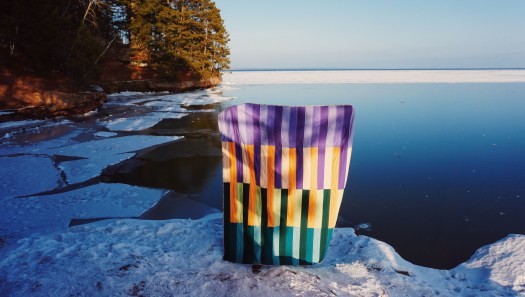
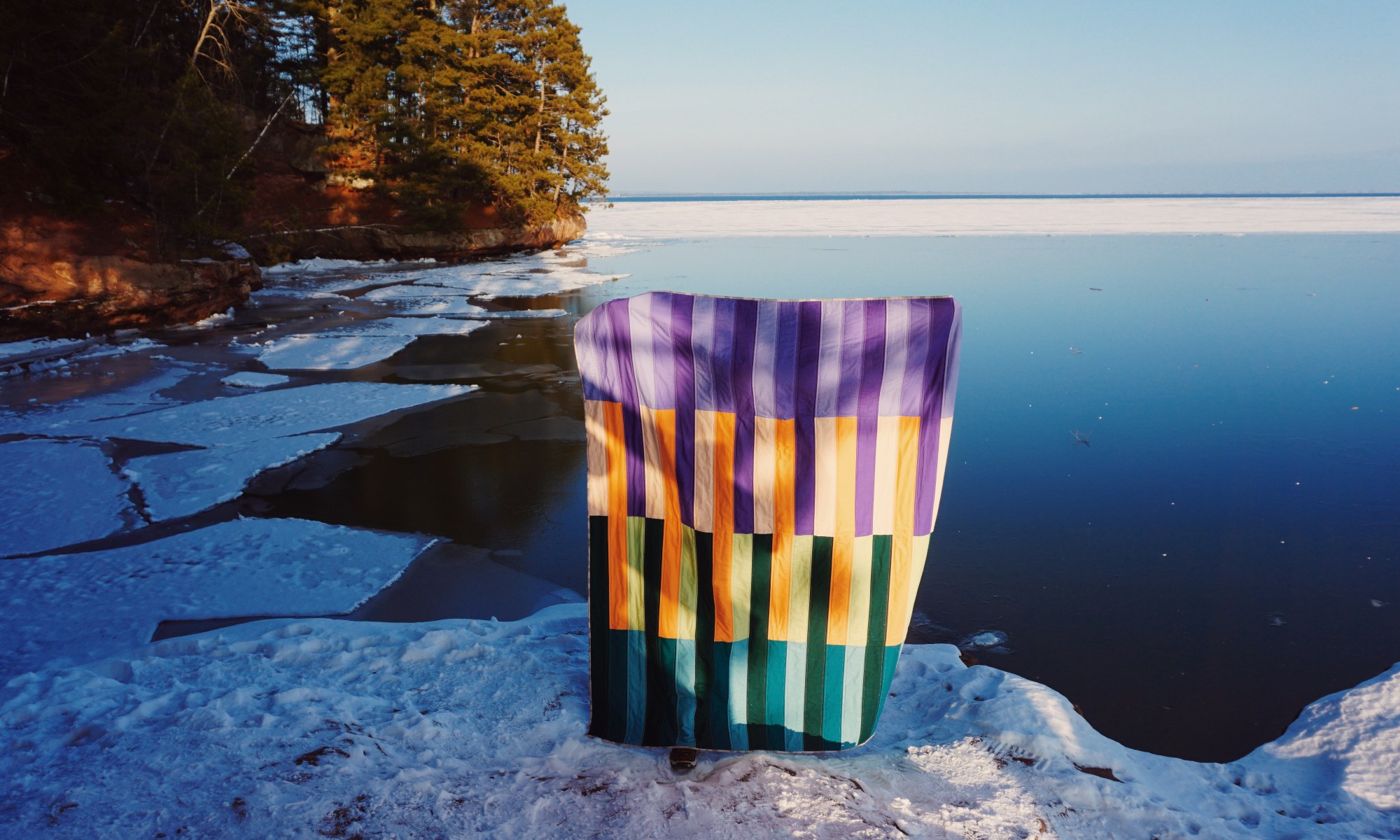
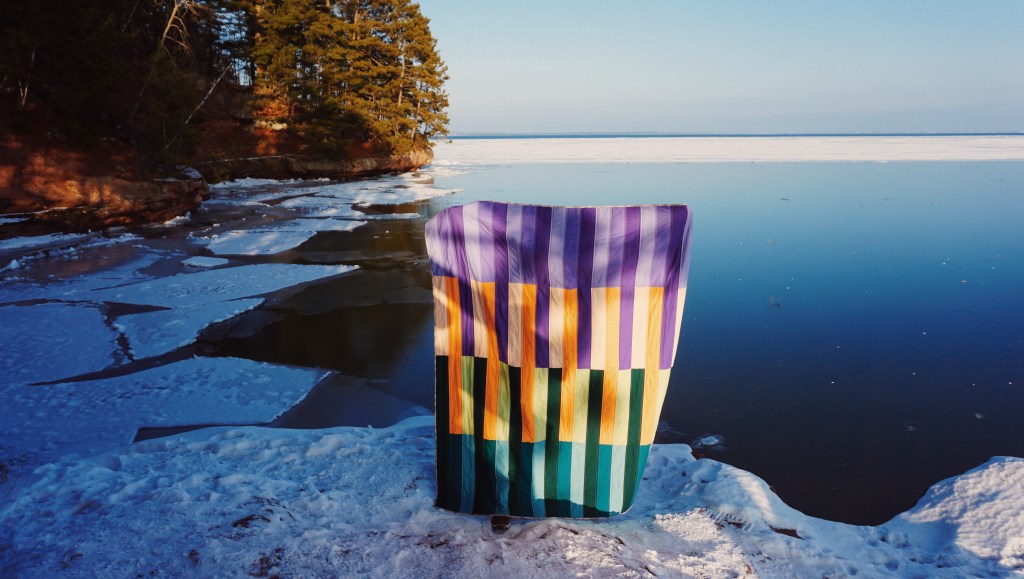
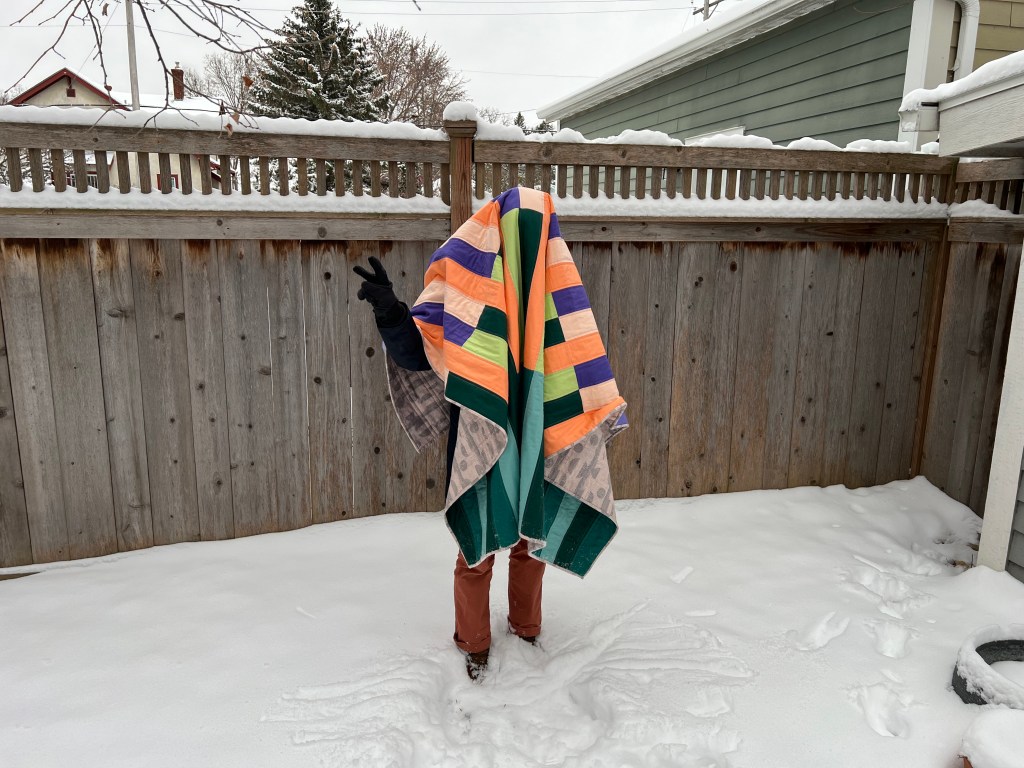
The Birch Point Quilt at Houghton Point, Wisconsin. Yes, I took this quilt on a hike

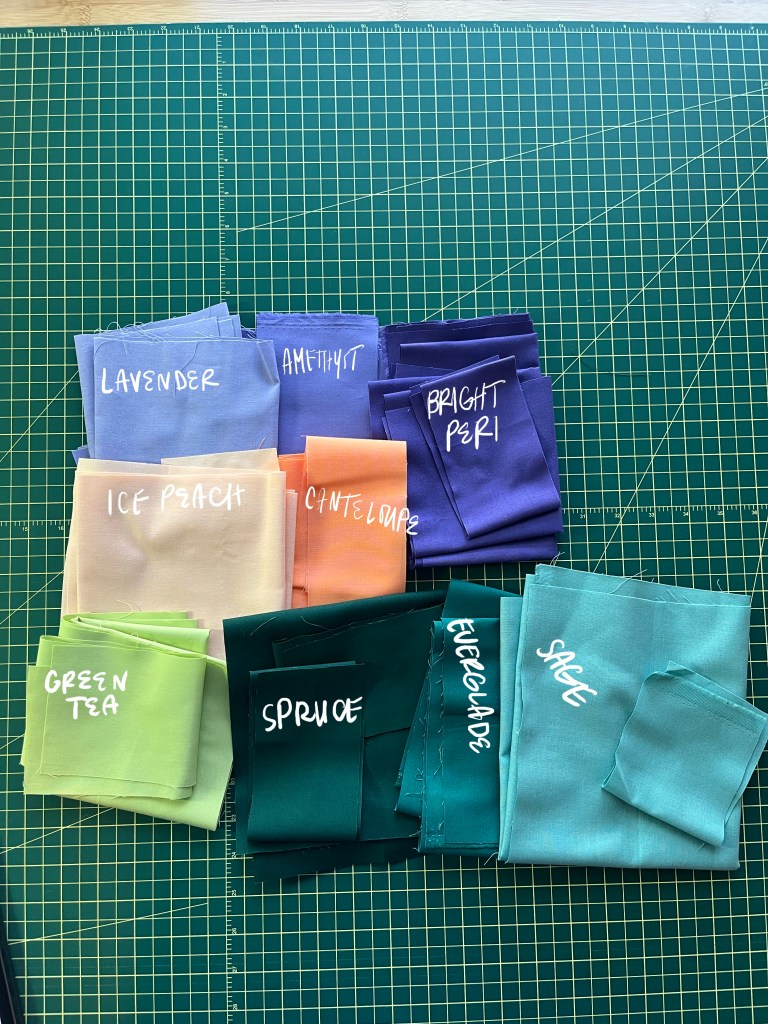
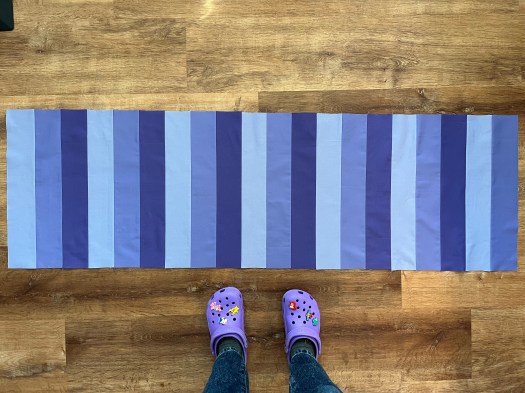
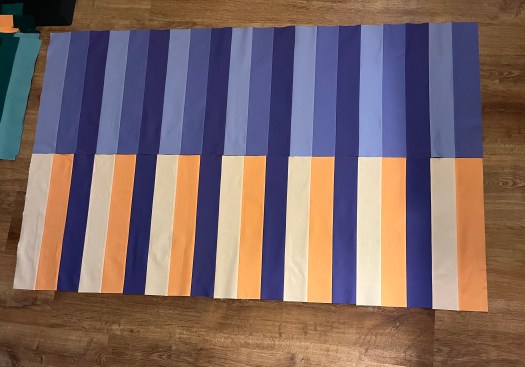
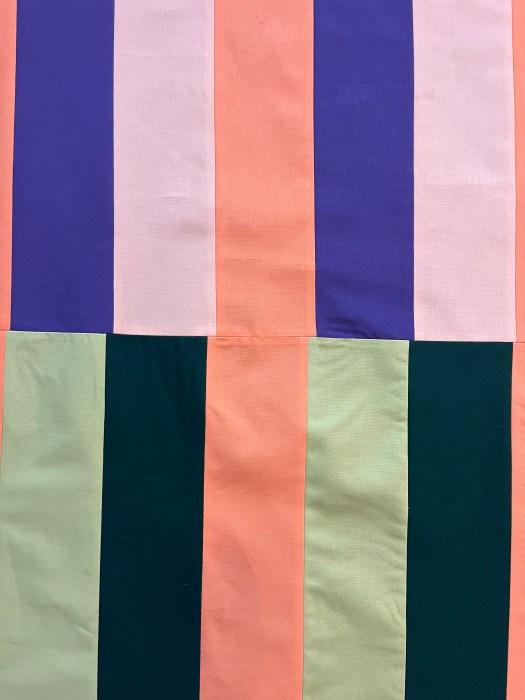
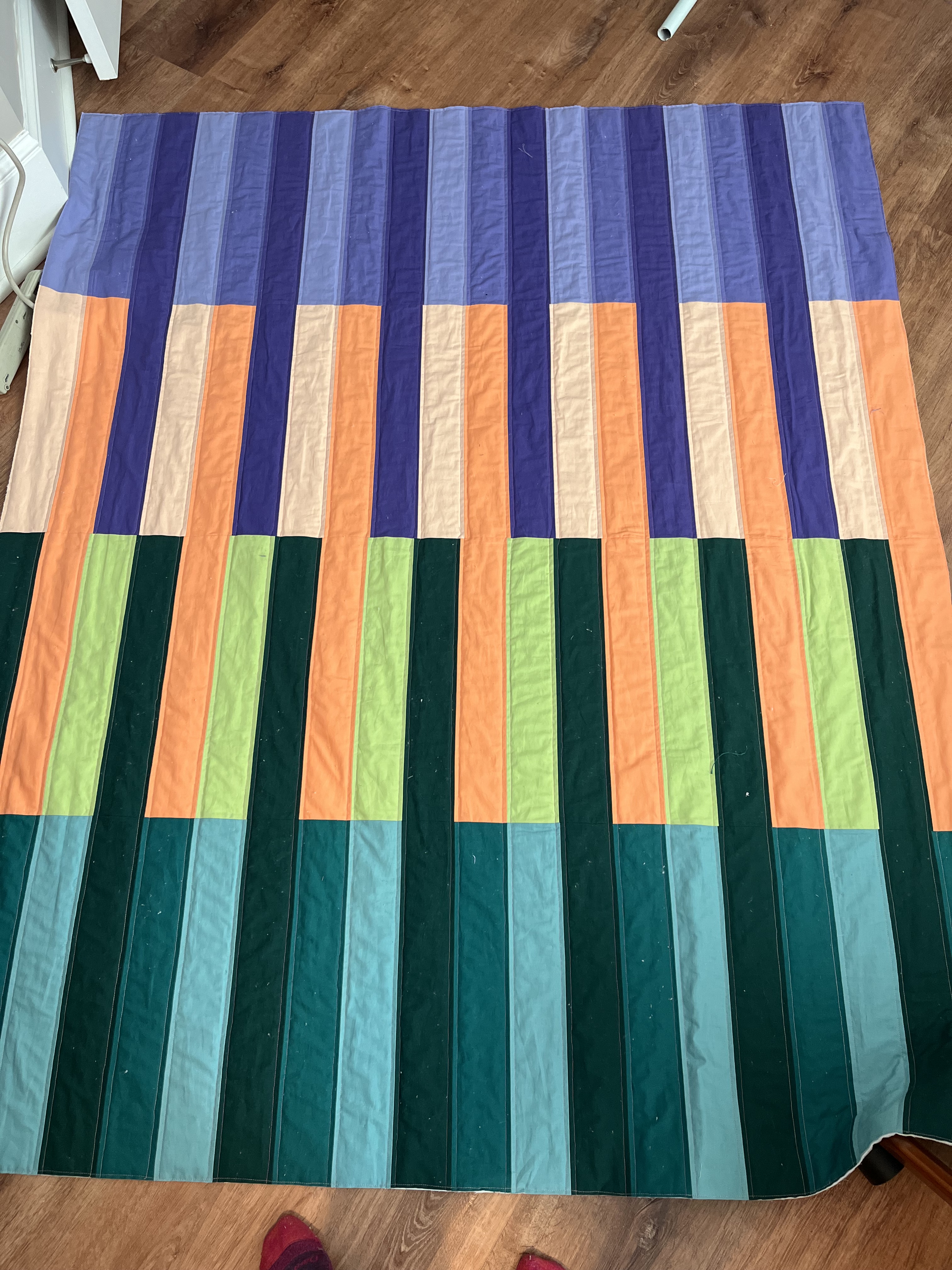
The Birch Point Quilt (find the pattern here) is a pattern by Erin Kroeker of The Blanket Statement Quilt Company. She has a lot of modern, beautiful quilt patterns and this one caught my eye several years ago for its simplicity; I probably bought the pattern in 2023. In June of 2024 Erin had a bundle of fabric evoking summer of ’96 for The Birch Point quilt for sale. It uses nine Kona cotton solids and I made a throw size (60″ x 72″). The colors in the bundle were:

  • Lavender
  • Amethyst
  • Bright Peri
  • Ice Peach
  • Canteloupe
  • Green Tea
  • Spruce
  • Everglade
  • Sage

The colors look like they shouldn’t go together but when you say 1996 this is exactly the color palette that should come to your mind. It’s so fun and nostalgic!

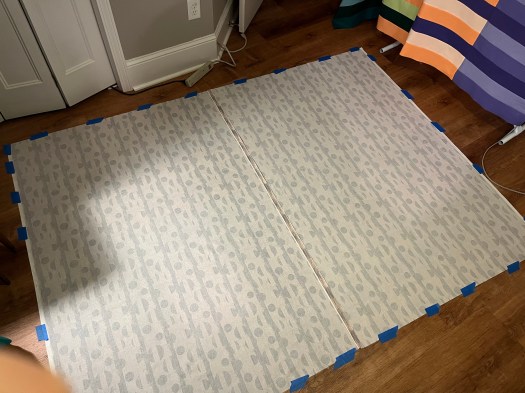
For the backing fabric I really tried finding something I haven’t used before. I ended up coming back to one for sale at SR Harris called Via Blush Geometric Quilters Cotton Print from Boundless Fabrics that I used for another quilt back (post forthcoming). For the batting I used a twin sized (93″ x 72″) mid loft white Quilter’s Dream Cotton which is a 100% pure cotton batting.

Construction

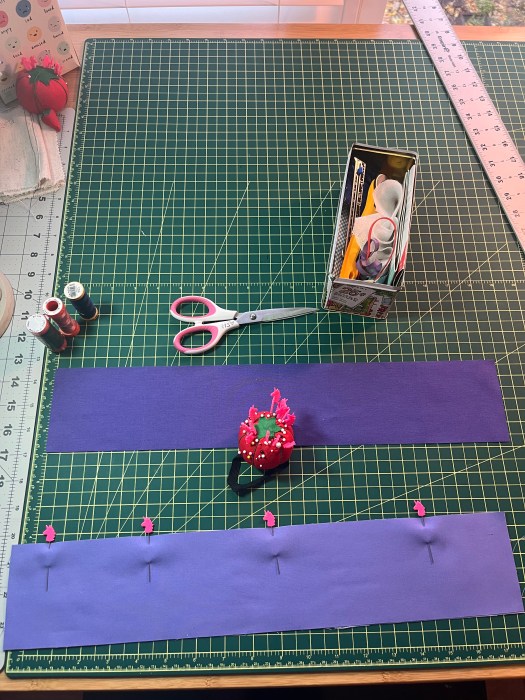
First of all, Erin writes great patterns. The instructions are so clear and easy to follow. Even though this quilt is a very simple layout I still appreciate the clearly written instructions. It comes together SO FAST and I will definitely make another. I tried to be SO careful with cutting and really nailing the measurements–measure twice and cut once yada yada. I was actually really proud of my careful, accurate cutting. The wheels kind of came off, however, when I was sewing the rows together and things didn’t quite line up every time. I probably should’ve pinned more. I did some seam ripping but eventually I let good enough be good enough and left some mistakes. I think the most glaring mistake is in a couple of the bright orange (Kona canteloupe and ice peach) rows. Oh well.

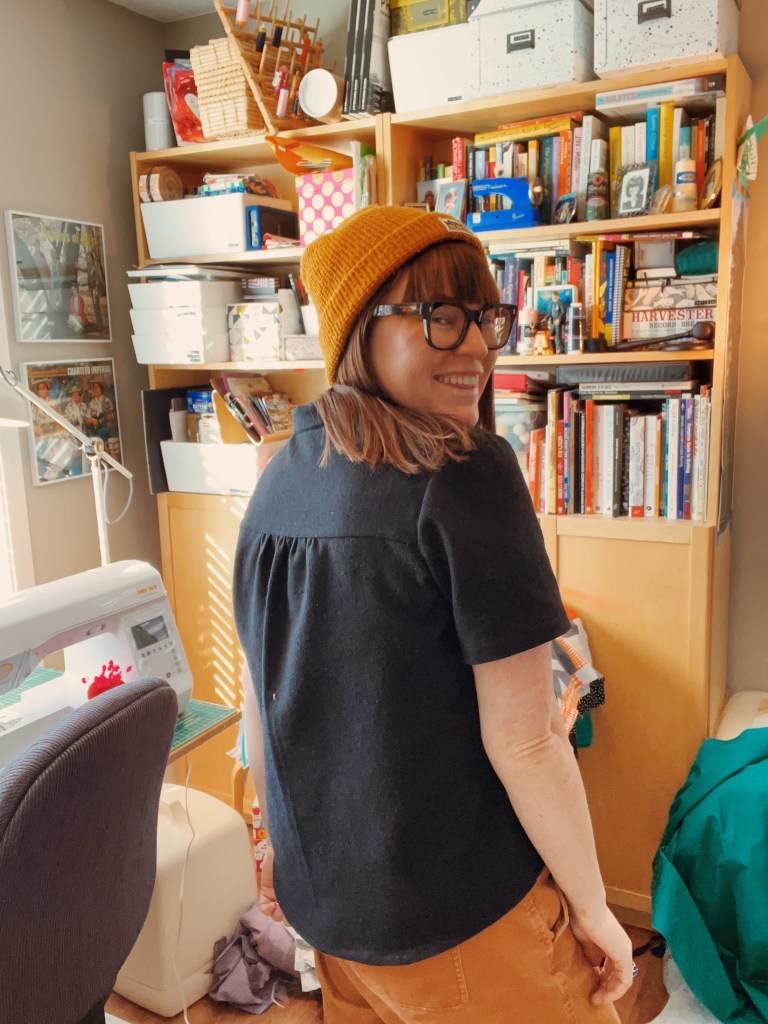
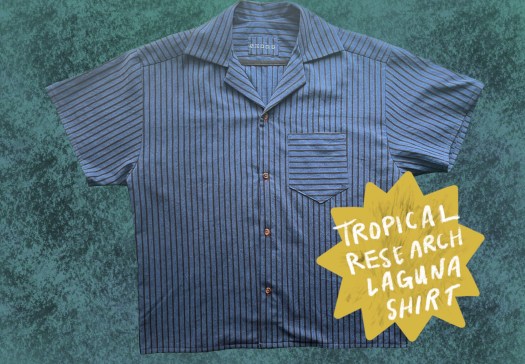
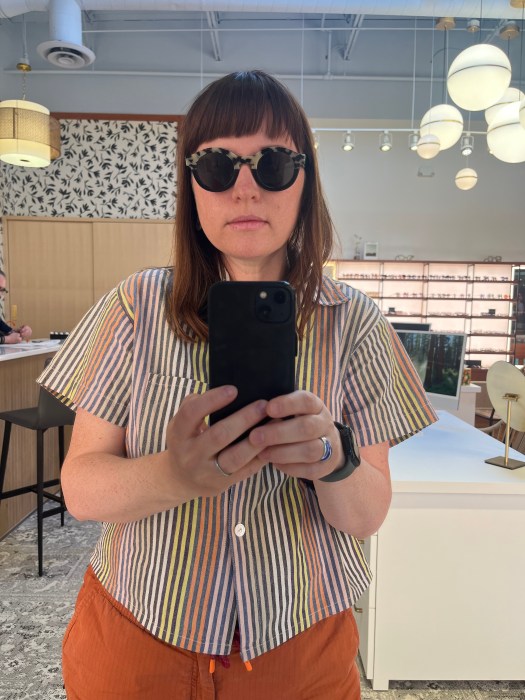
While I bought the fabrics in June, looking back in my camera roll I didn’t start the quilt until October 31st, and I know exactly why I started it: I was procrastinating working on my dang Donny shirt! I guess I would rather make a whole quilt than face new skills. I was done with it mid December but finished up the details on this quilt January 13th, 2025.

Wins

My biggest brag with this quilt is it was 100% cut, pieced, quilted, and bound by me! The last time I made every element of a quilt was my first one (this is now my 4th ever finished quilt), and with that first one I had help from my aunt every step of the way (thank you Sheila for teaching me!), so I guess this one I truly made 100% solo. It feels good! Mistakes were made of COURSE (see previous paragraph) but lessons were learned and fun was had.

Another brag: I successfully joined the binding pieces on this quilt without a pucker! The tutorial I used the most this time was this video from American Patchwork and Quilting. She takes it slowly and the overhead camera shots show the process perfectly–highly recommend.

Speaking of binding tutorials, here’s a note for future Ashley (because really, that is the purpose of this blog, for me to learn from myself but I also hope you also find some value in it thank you so much for reading hehe)–I almost always seem to go to Karen Brown’s binding video and Suzy Quilt’s binding video. I like that Karen lays out a bunch of different methods and her animated diagrams are really helpful. However, she demonstrates combining the tail ends of the binding with a solid color binding which I don’t find helpful. Suzy uses a printed cotton for the binding in hers (that’s helpful so you can see the right and wrong side of the fabric) but the video work just isn’t as clear and concise as I needed. I do, however, prefer her video for what to do when you get to a corner–she takes it slow and demonstrates the process really well.

Quilting It Up

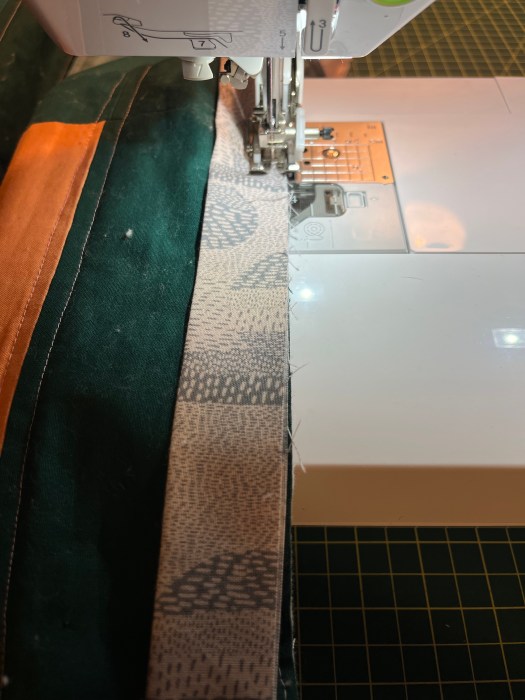
For quilting the quilt I decided there’s no sense in having someone else do it (i.e., pay someone to longarm quilt it) mostly because that gets expensive and also I wanted very simple straight lines on each side of the seams lengthwise. That should be easy enough to do on my own and not take too long to do it. Straight lines were more of a suggestion, but I did try. The wavy, wonkiness of the lines isn’t as noticeable from further back. I got to use my brand new machine for this and it did great, so this really is on me. The walking foot is amazing and it all went really, really well. I set my stitch length to 2.5 and looking back I should’ve probably made it longer?

The quilting lines are noticeably wavy up close like this
Basically the same thread but well…not

I also ran out of thread so many times and the first time I switched the spool I really thought I was grabbing the same color thread. I had already been trucking along when I realized a few lines in that I had grabbed a darker thread. Once that mistake was made I grabbed yet another wrong color, this time consciously. And then I did it again, consciously. So this was quilted with Gutterman, Aurifil, and Mettler thread, all vaguely purple, pink, and purple-pink. I do think though that you have to be *looking for it* in order to notice the different thread colors in the quilt. I’m telling myself it makes the quilt charmingly handmade that way.

Label It

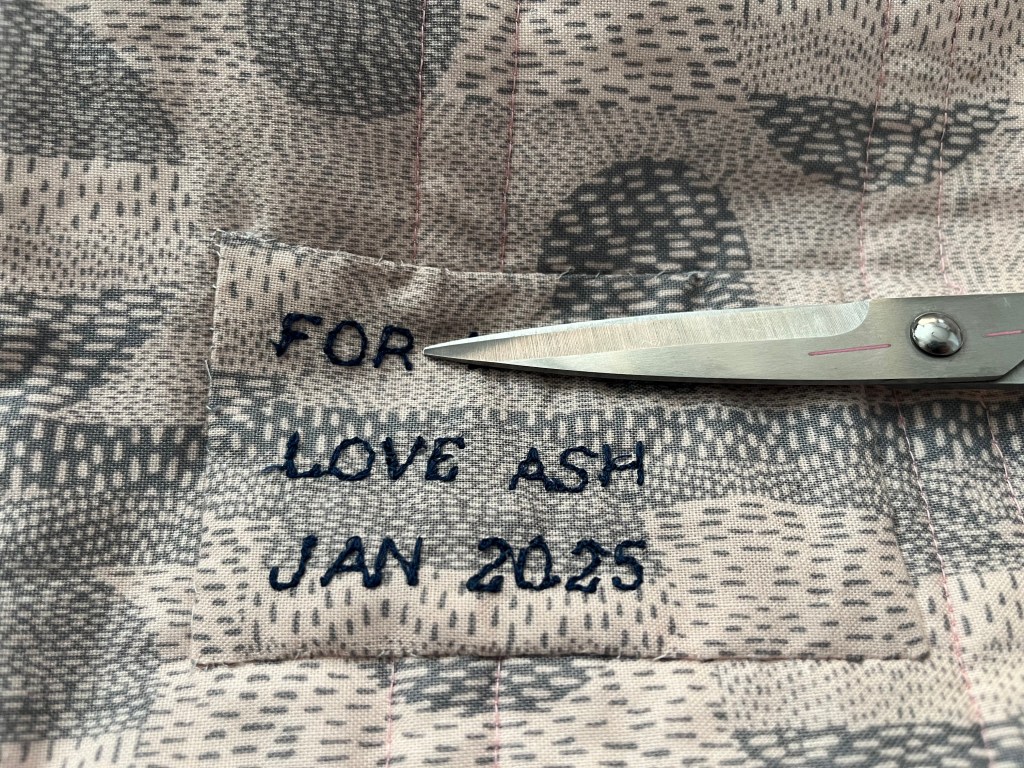
My first quilt label. Almost was able to pattern match it with the backing fabric!

For the first time ever I made a quilt label! This quilt was a gift for a friend, the first quilt I’ve ever given away, so I thought why not make a label to mark the occasion. My new machine can sew letters and has a few different font styles to choose from. You have to look up the corresponding number for each letter (A=1, B=2, C=3 etc) so that’s a little time consuming but not awful. I’m glad I made a label and now plan on making labels for my previous quilts and all quilts going forward. I attached the label by hand which I thought would be annoying but I don’t know why I even thought that. I love slowing down and hand sewing so much!

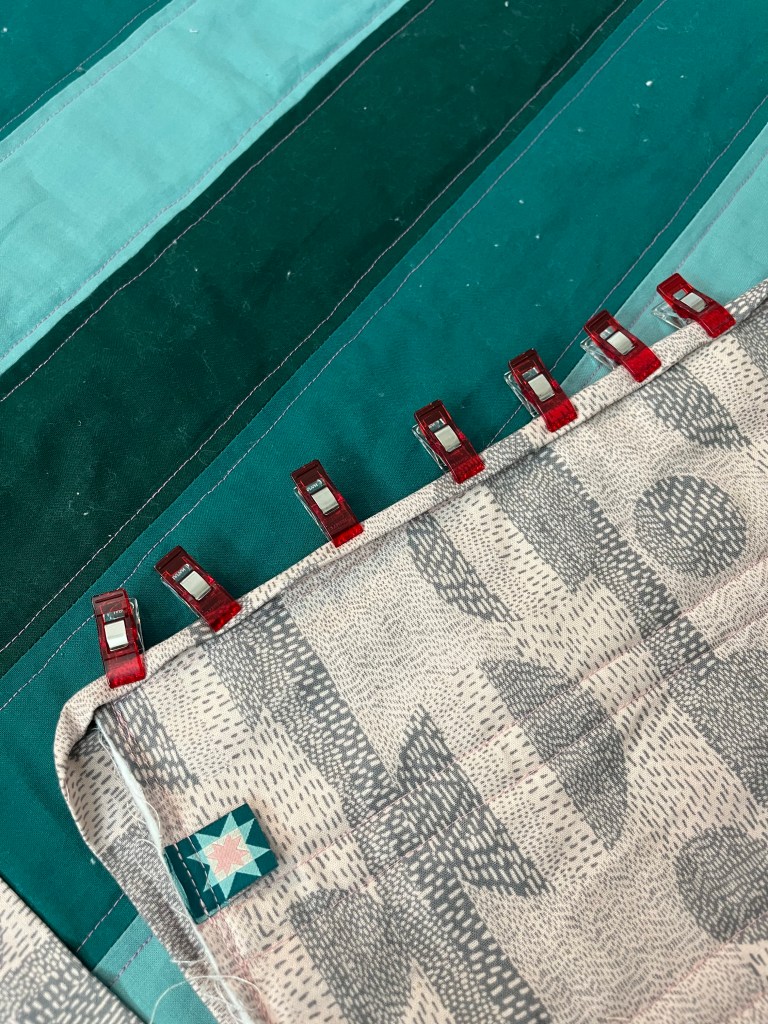
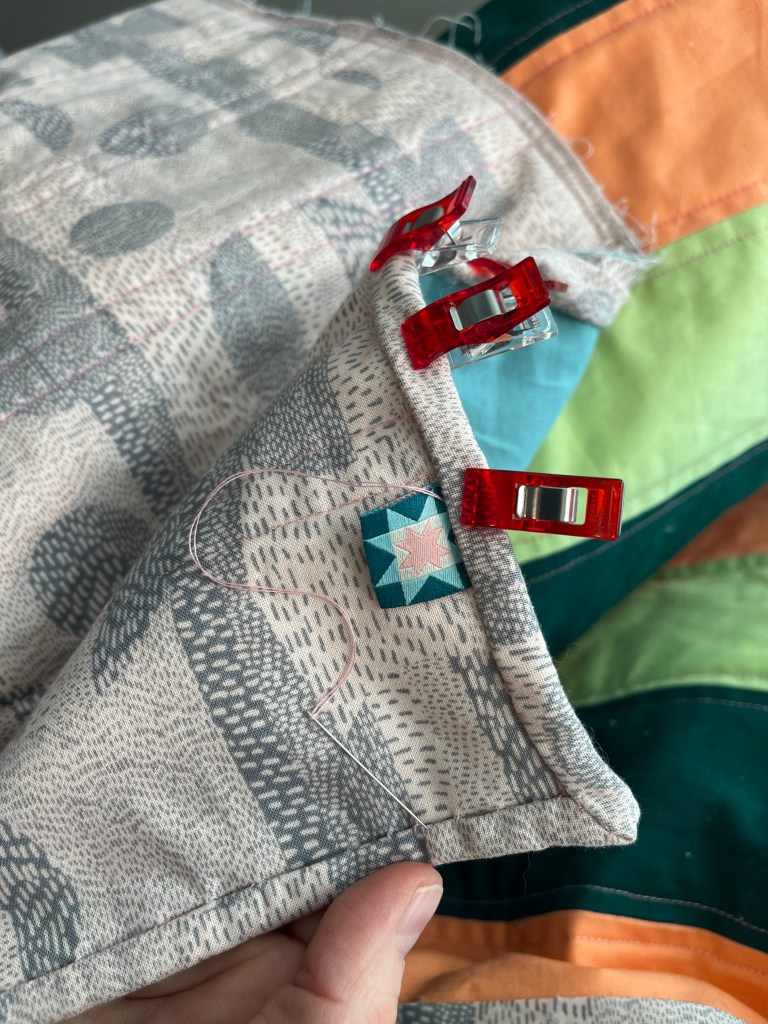
When I ran the quilt through the wash the V unraveled a bit, likely because I snipped the jump thread between the O and the V and cut the thread for the V in the process. I fixed the V by hand and you can’t even tell there ever was an issue with it. I also sewed a cutie woven quilt block label into the binding for fun (also purchased from The Blanket Statement Co but the label is by Sarah Hearts).

Close up of the woven label. I also bound the quilt using the same fabric as the backing.

Overall I am so pleased with how The Birch Point, Summer of 1996 quilt turned out despite some mistakes. I think it’ll look great in my friend’s living room and hope it provides warmth and comfort for years to come!

boo

Sewing The Syd Graham Ruby Vest From Scraps

I have a folder full of drafts but this is what I want to write about today and I have some time to do it! Here’s everything I have to say about sewing the Ruby Vest.

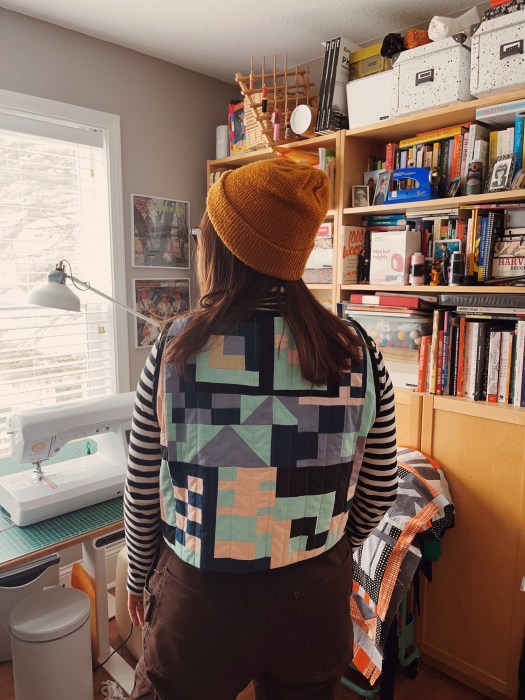
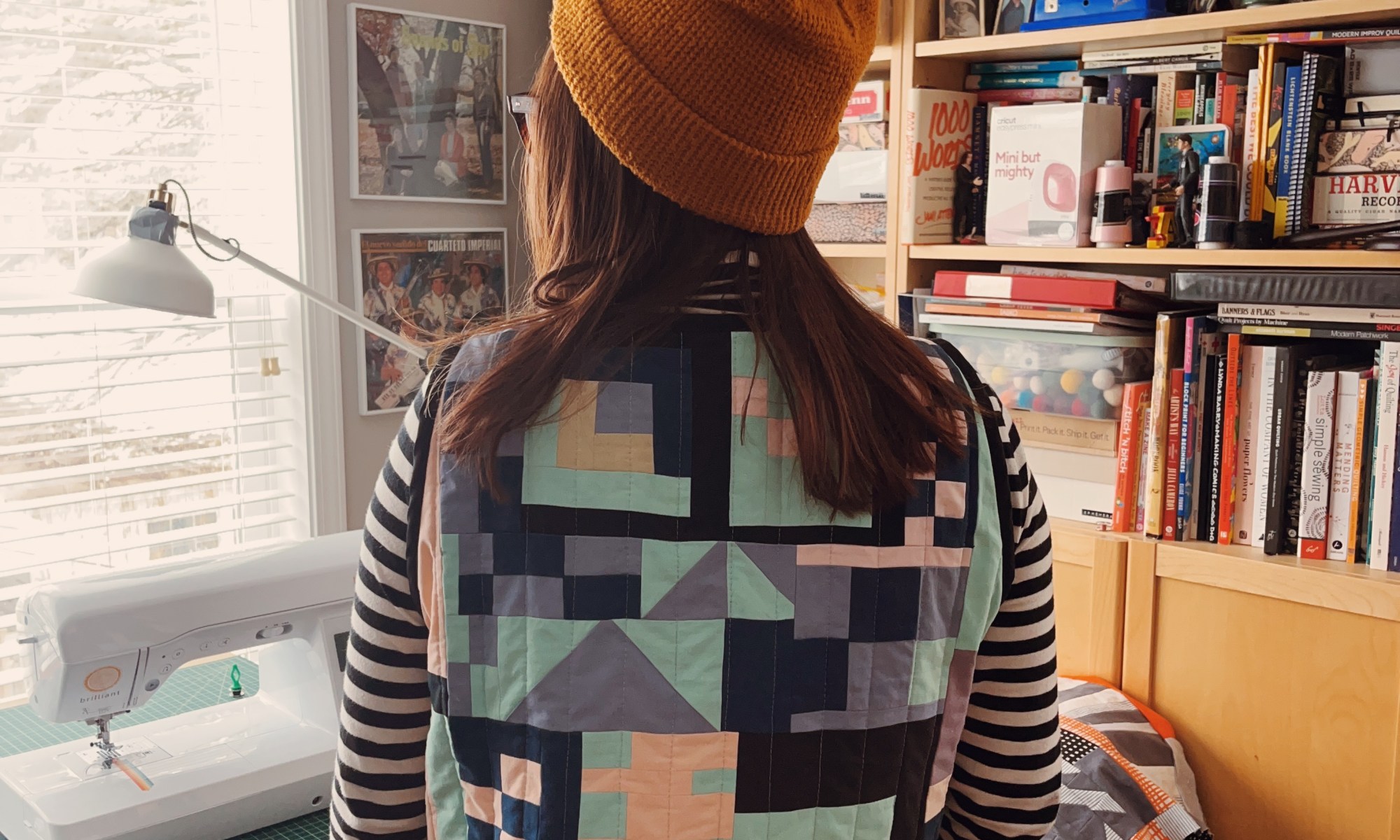
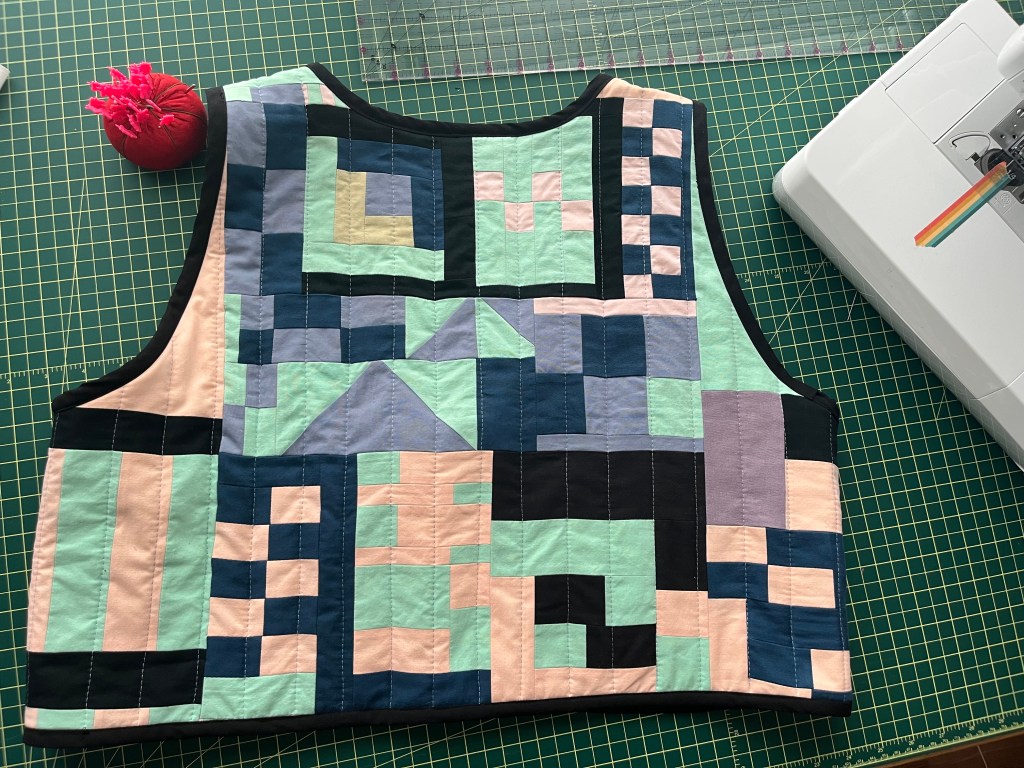
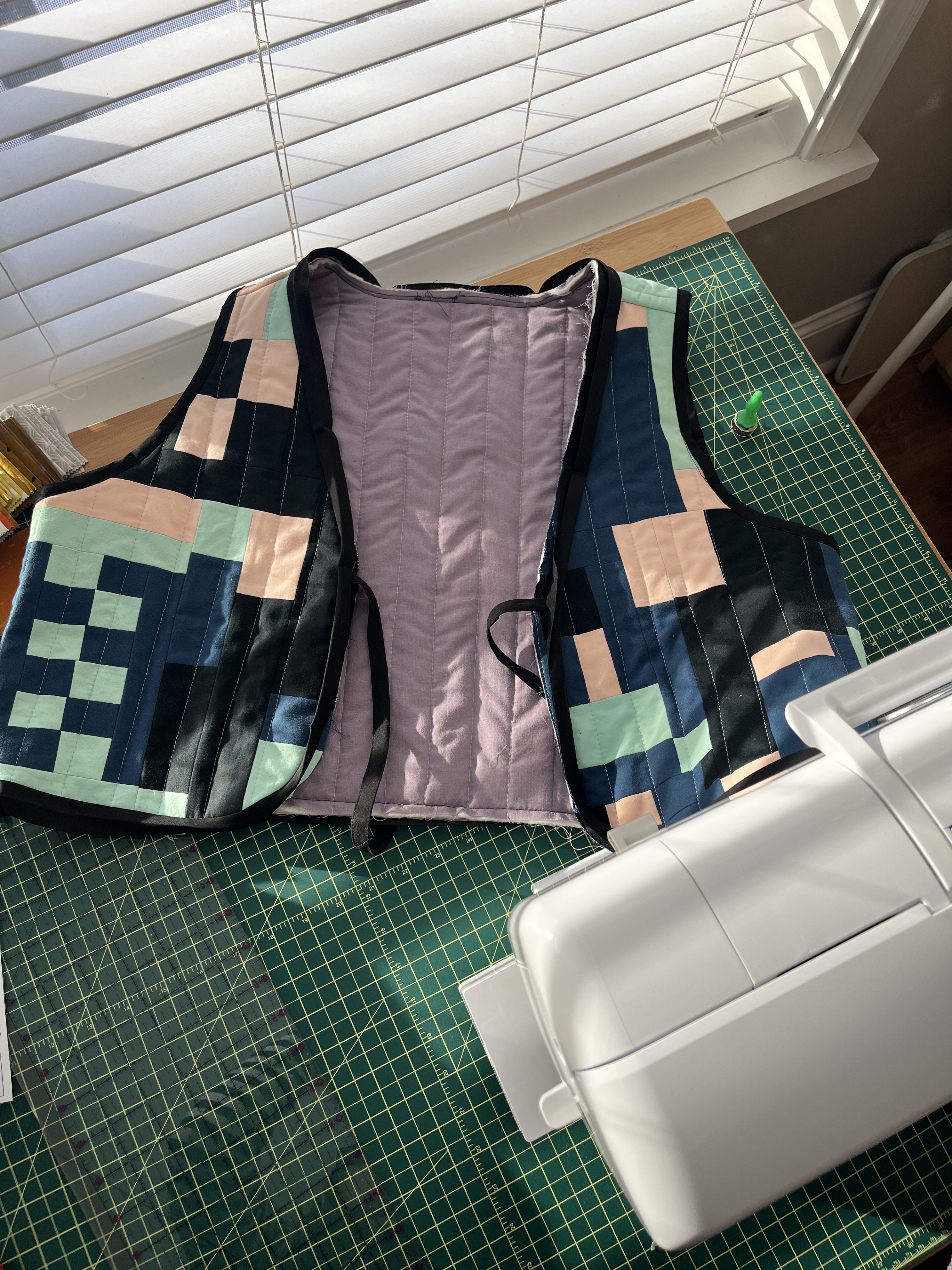
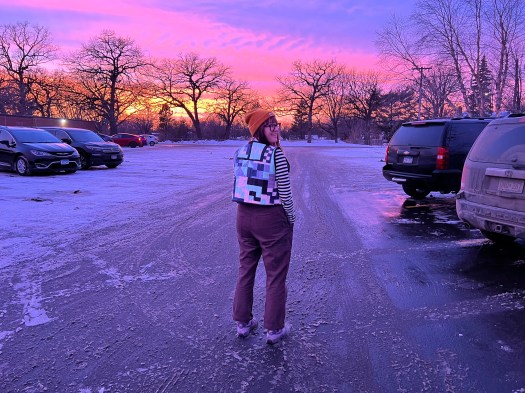
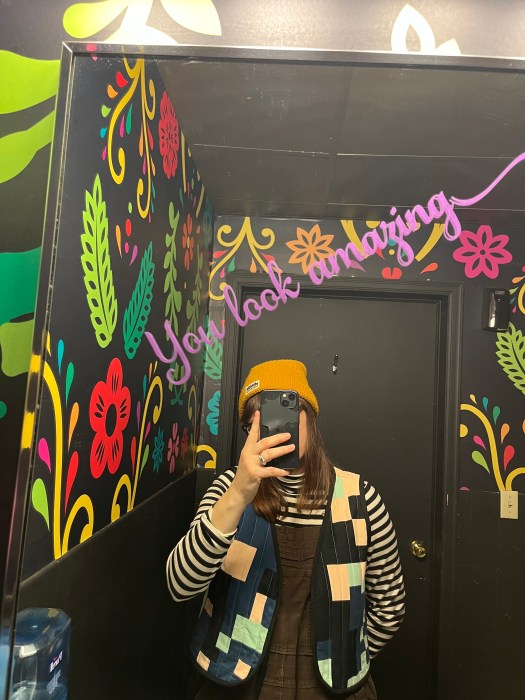
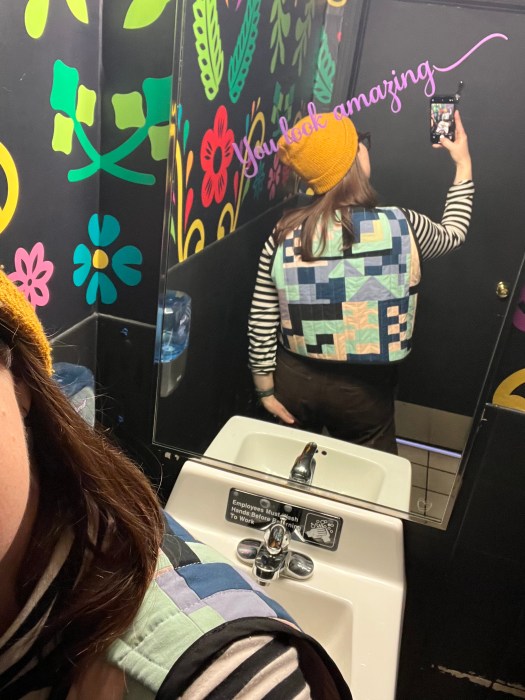
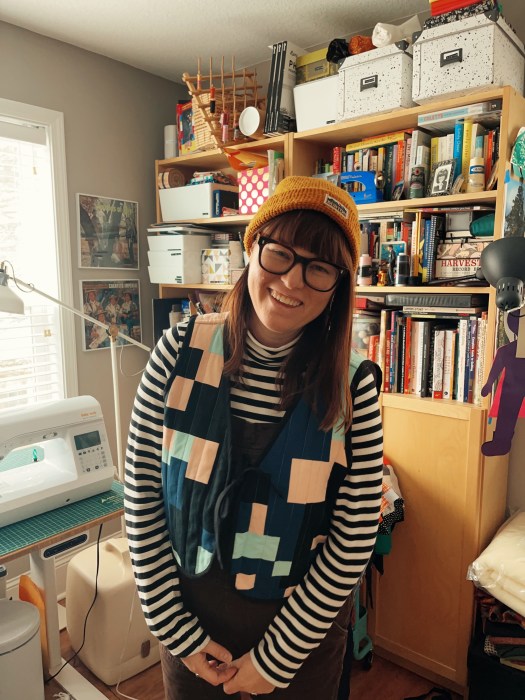
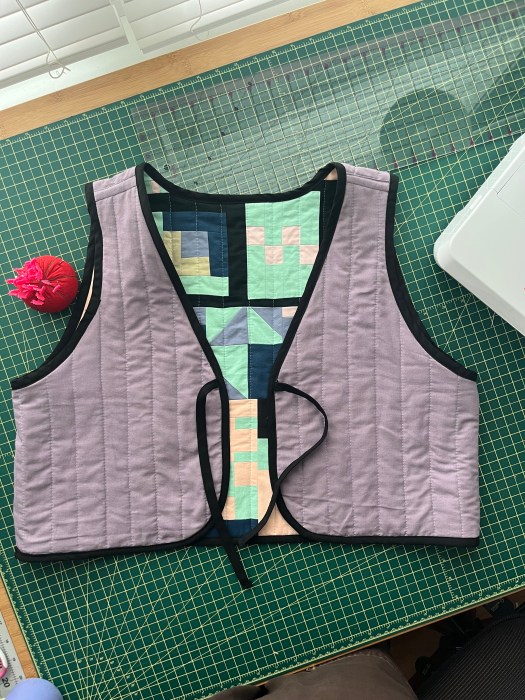
My finished Ruby Vest

The Ruby Vest is a very popular make among home sewists, and for good reason–it’s cute, it’s fast, it’s reversible, it’s customizable, and it’s very beginner friendly. Check out the hashtag #rubyvest on Instagram and you’ll find hundreds of vests and they’re all so cute. I would venture a guess that most people weren’t vest people before making this vest. Now we are. The last time I owned a vest was in high school–an off-white puffy Roxy one that I tried to use in lieu of a coat but ya know that never works. Having a vest to use to accessorize an outfit is much better.

Print The Pattern, Tile It Out, Tape It Up, Cut It Out

Only a few pattern pieces to print and cut out!

This pattern doesn’t come in a physical copy that you can buy from a store, it’s PDF only (or projector files). I am coming around to print-at-home patterns, and one reason why is this pattern allows you to open the PDF in Adobe, turn off the sizes you don’t need (each size is on a different layer, you just turn off the extra layers) and print out ONLY the size you are cutting! This was a revelation for me. It makes cutting the pattern a cinch, I wish all print-at-home patterns had this feature. Until I get a projector, this is the next best thing. If you’re a little confused about what I mean, Syd made a YouTube tutorial on how to print and tape your pattern together and she walks through how to turn off the sizes you don’t need so those don’t print.

Choosing My Materials

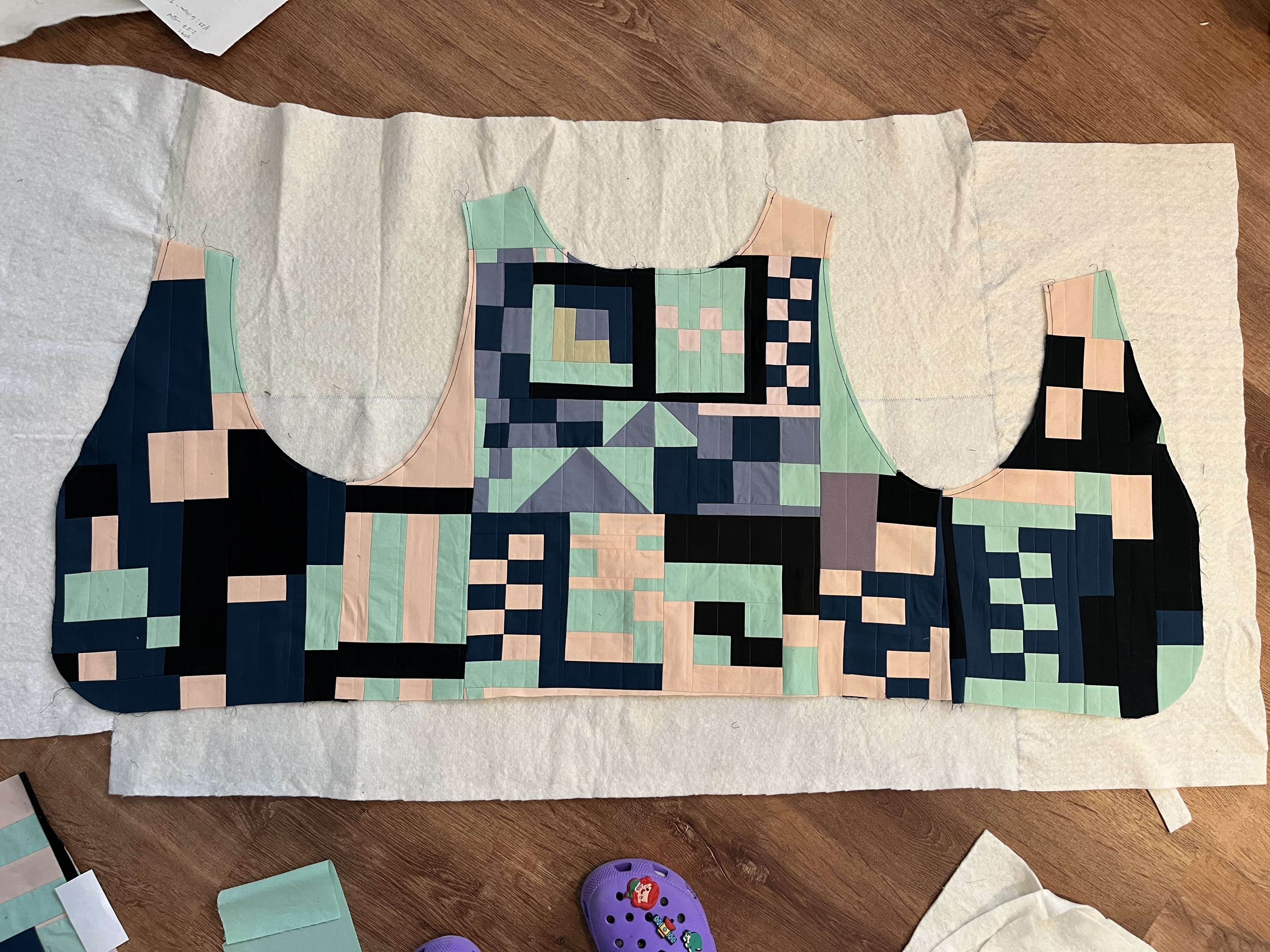
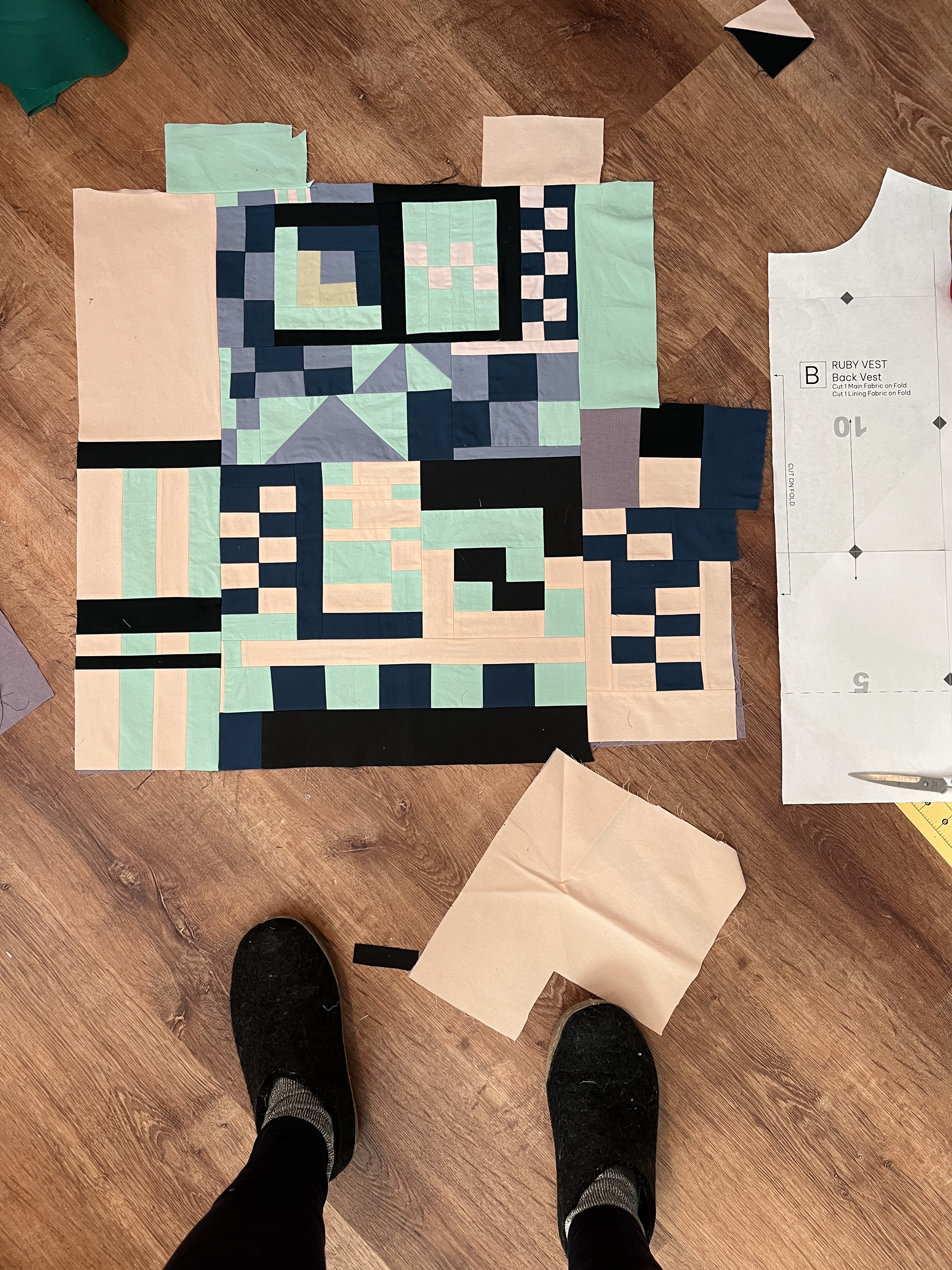
I always have a hard time starting something when it’s a new skill. One thing that helped launch me into this project is I decided to use what I had and not be precious about it. I tried out some of my yardage and couldn’t puzzle out how to cut all of the pieces from what I wanted to use, so then I turned my attention to a panel of improv quilting I did summer of 2024 from some scraps I thrifted. I’m nearly positive these scraps were once sheets. Most seem like cotton, some might be cotton/poly blends. The piece I had started making wasn’t quite big enough for the back so I added on to it. I got lazy with the front panels and mostly just did improv squares but it’s kind of a nice contrast to the busier back. I don’t regret it. When I finished the back piece and held it up to my back I realized the ruby vests I gravitated towards the most were cropped, so I went ahead and hacked off a few inches (hours of work!) and then continued to make the front panel pieces at the cropped length. It was the right move! I like the cropped length so much.

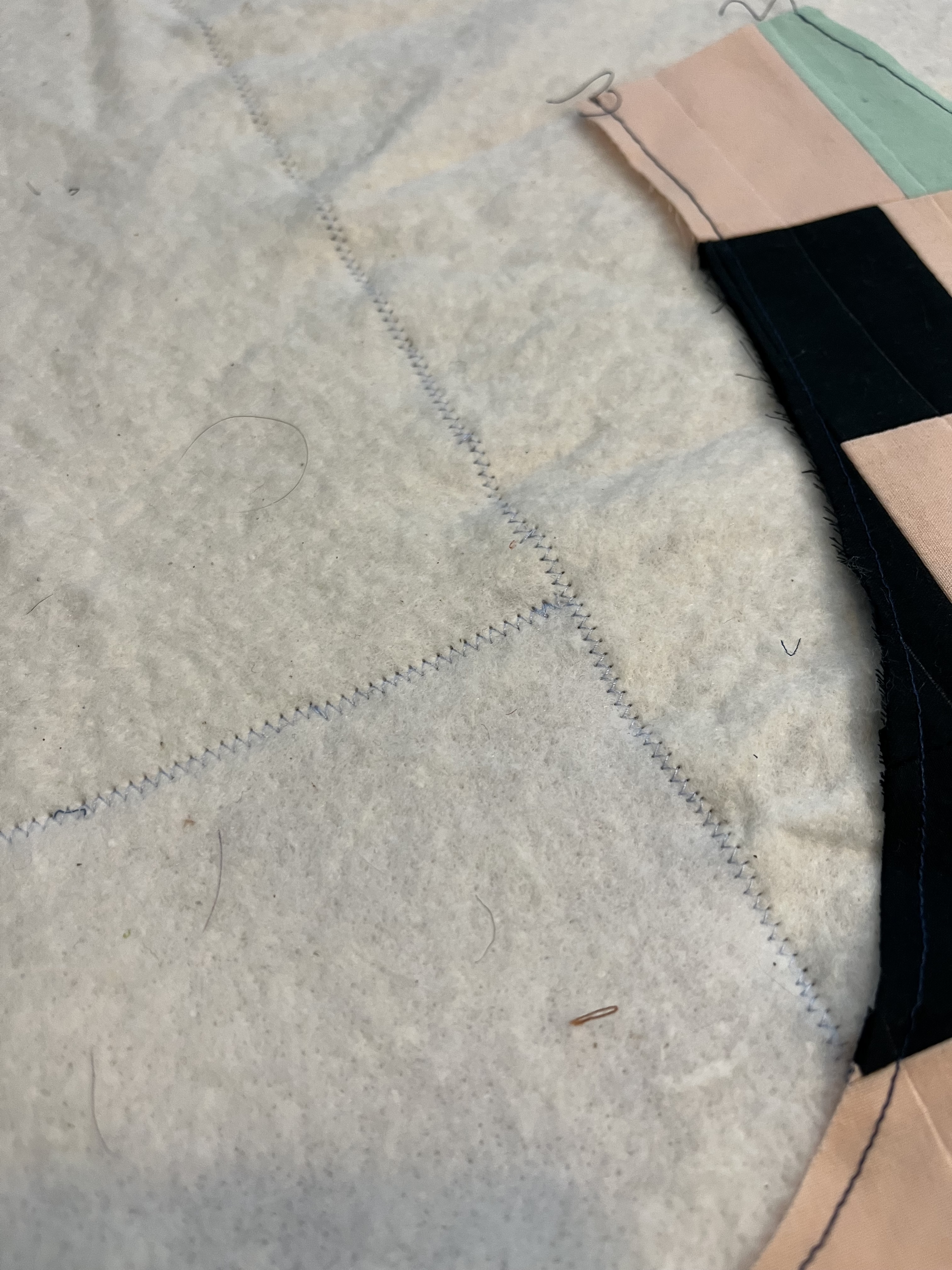
Aside from the thrifted scraps I used for the front main pieced fabric I used a purple thrifted sheet for the interior fabric. I really didn’t want to buy new batting just for this project so I made some frankenbatting by zigzag stitch sewing together some batting scraps from previous quilts. I lined them up so nicely initially but in the end they didn’t butt up to each other super well and came out a little short on one side. It wasn’t a big deal though, I was able to lay the splayed out vest and just cut around what I needed. So happy I could use up what I had!

Quilting It Up

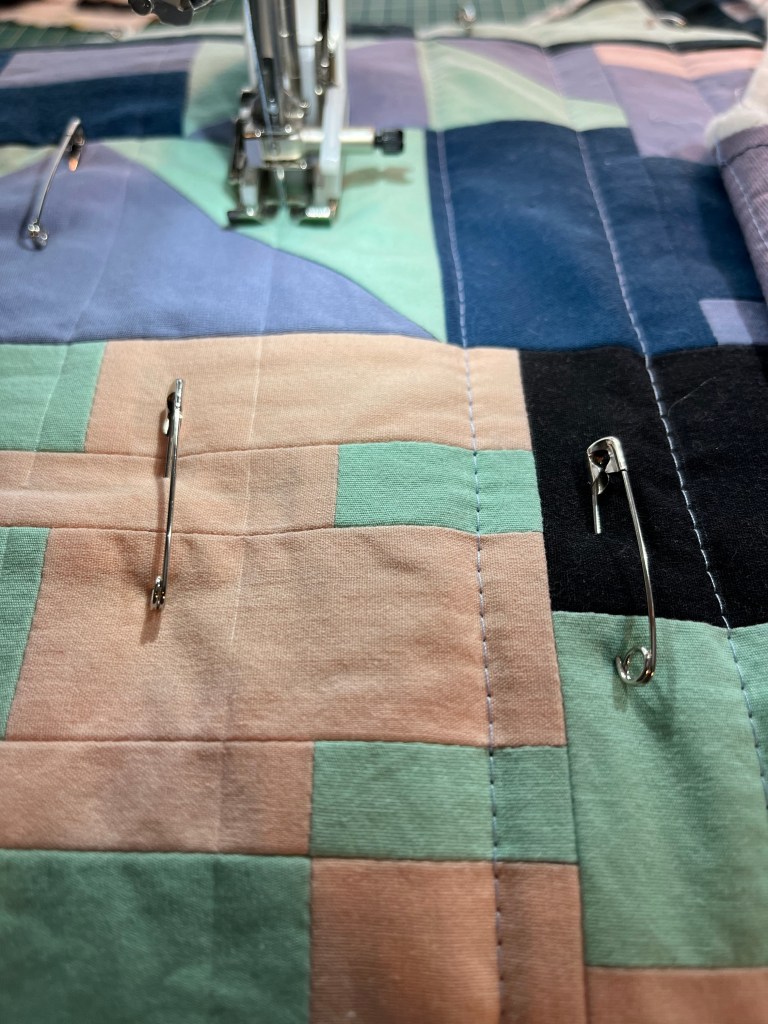
Faint lines from the hera marker and nice, straight quilting lines

This vest was the first time (I think!) that I used a hera marker to mark my quilting lines! Syd recommends it, I already had one, so I tried it. I didn’t think I’d like using it and in the end I actually really liked it, I could actually see and follow the lines well. I did 1.25″ quilted lines that the pattern suggests. It quilts up so fast.

I am so dang lazy with changing thread color. I had this light blue Aurifil already loaded up that I was using for piecing and just went with it for the quilting. I actually never even held other thread color up to the fabrics, that’s how lazy we’re talking. I think this light blue thread is nice. I was also a little afraid I wouldn’t sew very straight so I didn’t want a thread color that was too high contrast. However, I did a great job quilting it and actually sewed my lines really straight! Like, I am VERY PROUD OF ME.

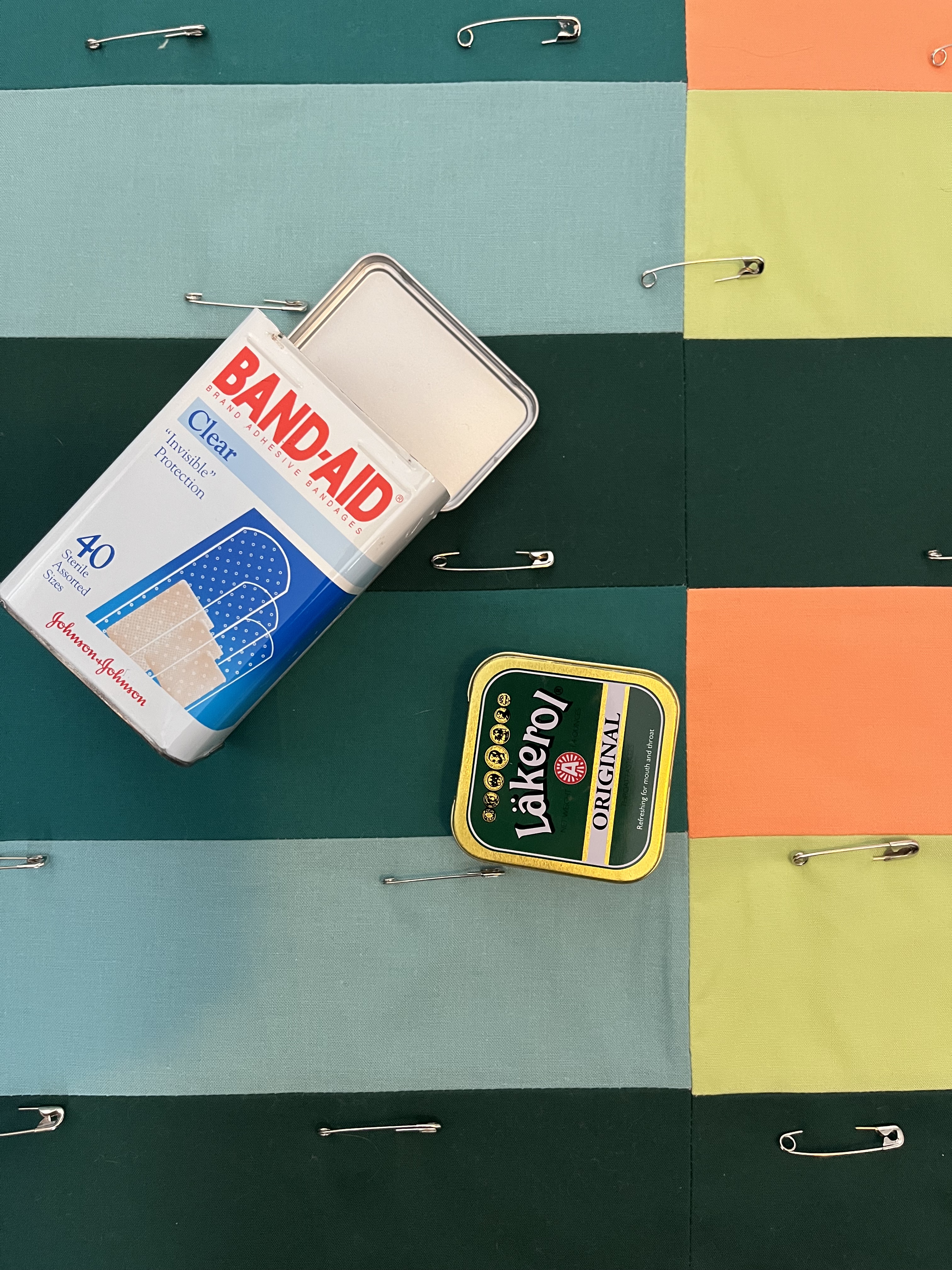
My only gripe about quilting it is I did break a needle while doing so. I kind of thought it was weird to put pins on both sides of the vest before quilting it. Next time I will take all of them out from the back side after I go crazy pinning the front. Also, it probably was a blessing in disguise? I never know when to change my needle out and well, breaking a needle will help you make that decision to put a new one in. I think I was using the same needle from quilting my last quilt (the Birch Point quilt, which I will eventually have a link to it here when I write about it). Overall–loved quilting it!!

Biased about Bias

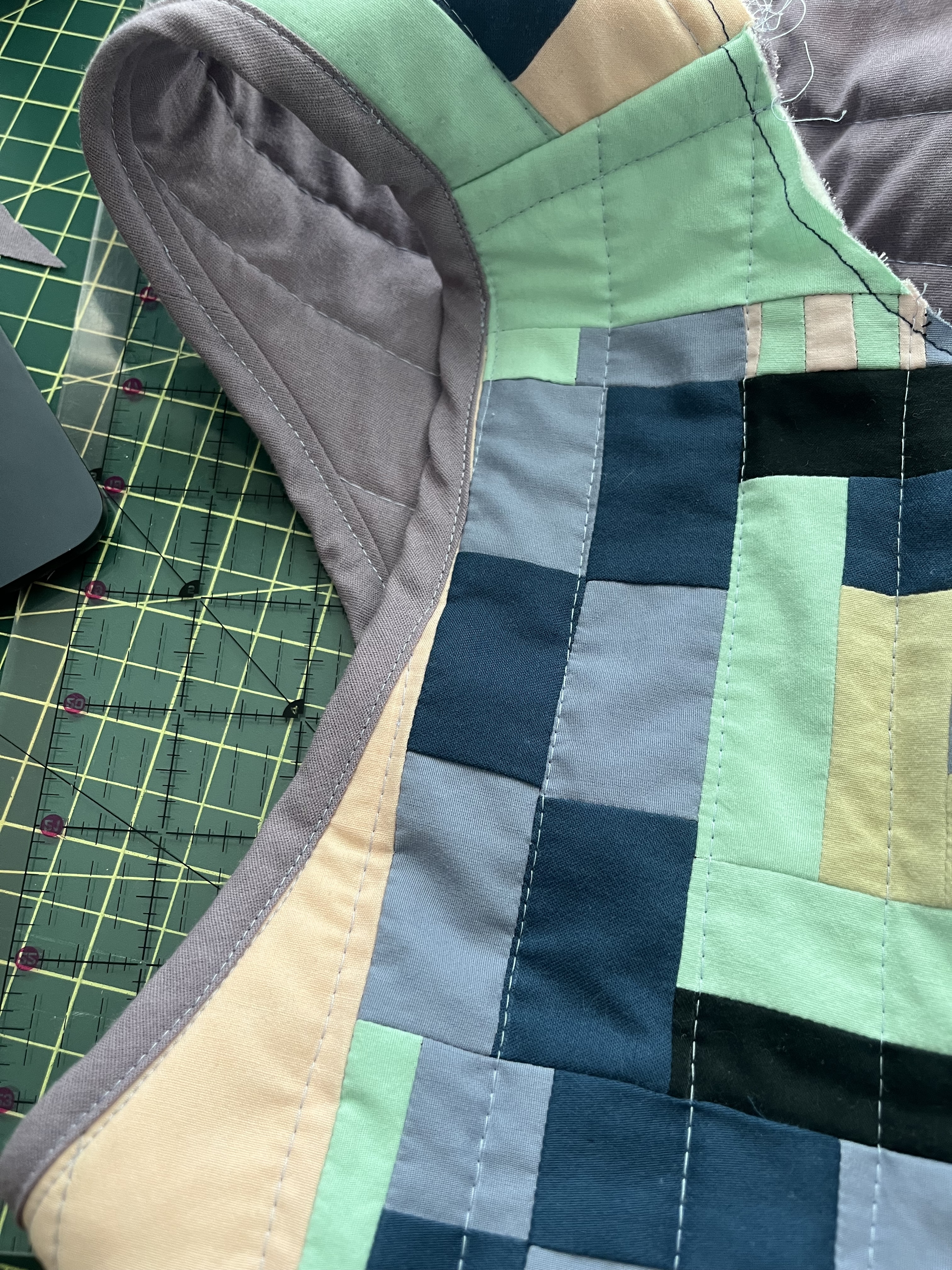
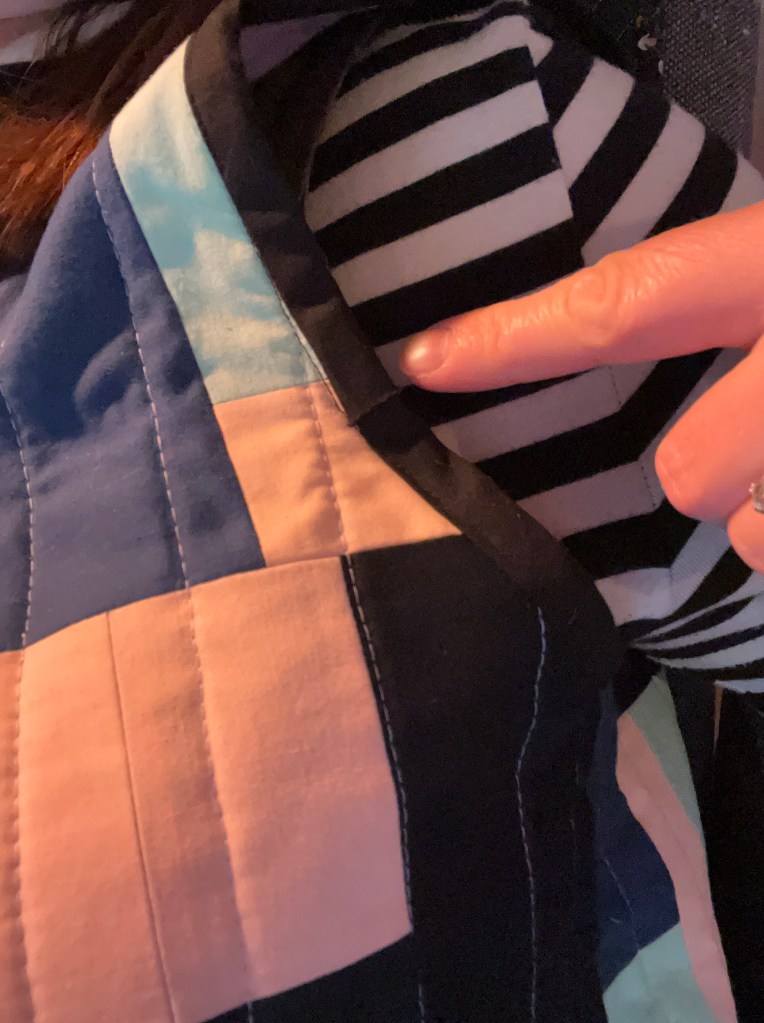
The pattern has you make continuous bias with that magic tube method. I have tried doing this before and failed. This time I DID IT, but I cut it SO badly that the edges were sooo jagged (literally what was I thinking?? I am used to rotary cutting and scissors just isn’t it for me). I tried making the bias tape work and sewed one armhole with it but it was bad, too bad to just leave it so I seam ripped it and decided to just buy black bias. I got Wright’s double fold at, ugh, Joann’s. Honestly though I do like the black for a nice contrast for the solid purple side. It was so easy to work with.

Would you have gone with the purple? I don’t hate it but like the black better

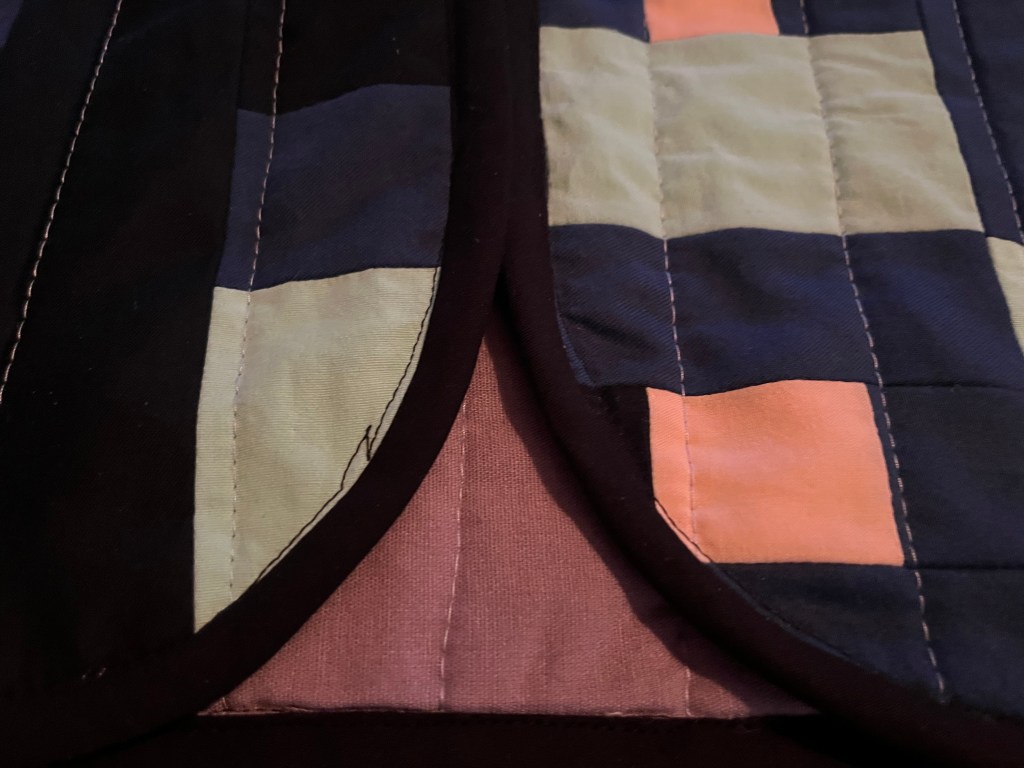
I disliked sewing the arm holes but mostly enjoyed sewing the bias around the perimeter. The curves at the bottom were a nice challenge but oops I screwed both of them up and sewed off of the bias binding. Oh well! I’m not going to fix it!

Oh and one more thing about bias–I cannot for the life of me join bias pieces. Ok I have successfully for a quilt binding but every spot on this vest where I joined bias is not very seamless. One day! For one armhole I had the bias join in the front and I do regret that, I should’ve had the bias join in a less obvious place. I don’t regret it enough though to want to seam rip and do it over haha, but it does bother me.

Written Instructions VS YouTube University

The instructions were written well, don’t get me wrong, but I almost exclusively used the YouTube tutorial sew along to make the vest. Praise be that there’s a video for this beginner. It’s one reason I love indie sewing patterns so much! So many have sew along videos or tutorials on tricky parts. They don’t have to do this but it’s such a nice perk. The length of it is perfect (30 minutes). I only have two critiques about the video–when she explains to start sewing the bias on the side of your main fabric first (she says this while she’s already sewing it, wish she had said so when she was pinning the bias on) and when she tries to explain joining the bias (the video could be clearer). Other than that, perfect tutorial. So much work goes into making a video tutorial so really, these are just a couple little nitpicky things!

Cost Breakdown & What’s Next

This vest is really a dream beginner’s project. I’ve seen two fabric shops in my city offer sewing the Ruby Vest as a class (and they are not cheap classes!!) so I guess I’m extra proud I tackled it solo with minimal mistakes. Here’s roughly what I paid for materials to make it:

Cost breakdown:

  • Pattern: $16, but actually free for me with an Etsy gift card (thanks mom!!)
  • Fabric: thrifted sheet (purple) $4? from Saver’s like 2 years ago so this info is lost to time
  • Front fabric scraps: $2?, also thrifted and likely old sheets!
  • Batting: Leftover pieces from previous quilts that I pieced together, so I’m calling this free
  • Bias binding: $2.99/package, used 2 packages

So, around $12 depending how you want to slice it (if you want to include the pattern in my cost breakdown then it was about $28 to make). And I guess the price doesn’t reflect things like thread, needles, and other notions I already have and use for making, like safety pins and Wonder Clips (I need more of these though, I only have 9!).

But $12 for a wacky one-of-a kind vest? Are you kidding me? Sewing is magic.

I am going to take another look at my fabric stash and hopefully make another vest soon, probably not doing any piecing this time around so it should sew up even quicker. We’ll see how this one washes up and if it shrinks in the wash at all. I will likely go down a size or even two as I feel the size I made (12) is just a little too big, though it technically was the right size for my measurements. Better to be too big than too small though, right?

This finished project (here’s an Instagram reel of the making of it) gave me just the boost of confidence I needed to go back to another garment WIP–that Donny shirt I wrote about last fall. Yes, it’s still just sitting in a pile, all cut out. Time to face my fear and sew that puppy up! Syd has a tutorial on finishing edges without using a serger, I might just have to check that out for finishing the edges of my Donny shirt.

Thanks for reading!

Ash

Quick Improv Quilting with Scraps

I went too long without posting anything and now it’s hard to get back into that mindset! I have been doing lots of creating, I’ve just been bad at sharing. I’d also love to have finished something before I share it and I guess that’s where I’ve been stuck; I have too many WIPS (works in progress). BUT, it can be fun to share a WIP, because then you can see how things transform. Time to share a WIP!

Last weekend I went to my hometown thrift store and sorted through the fabric options. There really wasn’t much but I found a nice little bundle of solids for $2.00–can’t beat that! When I got them home I realized they were scraps from someone else’s project (dying to know what they made!) and they look mostly like they were cut up sheets. They feel like cotton but might be a blend. I got right to messing around with them.

My fabric stack! I’m bad as estimating yardage, but there should be a few yards worth of fabric here

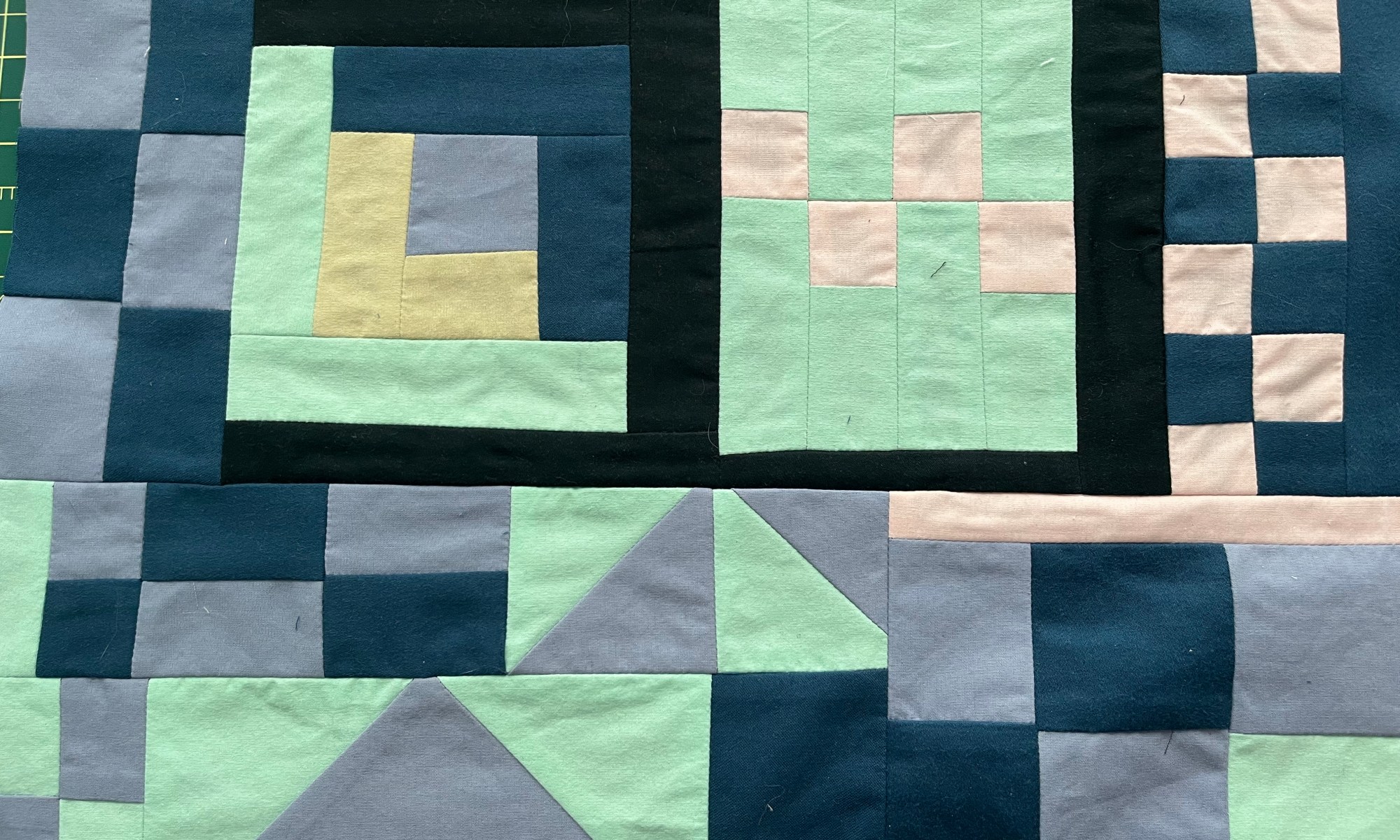
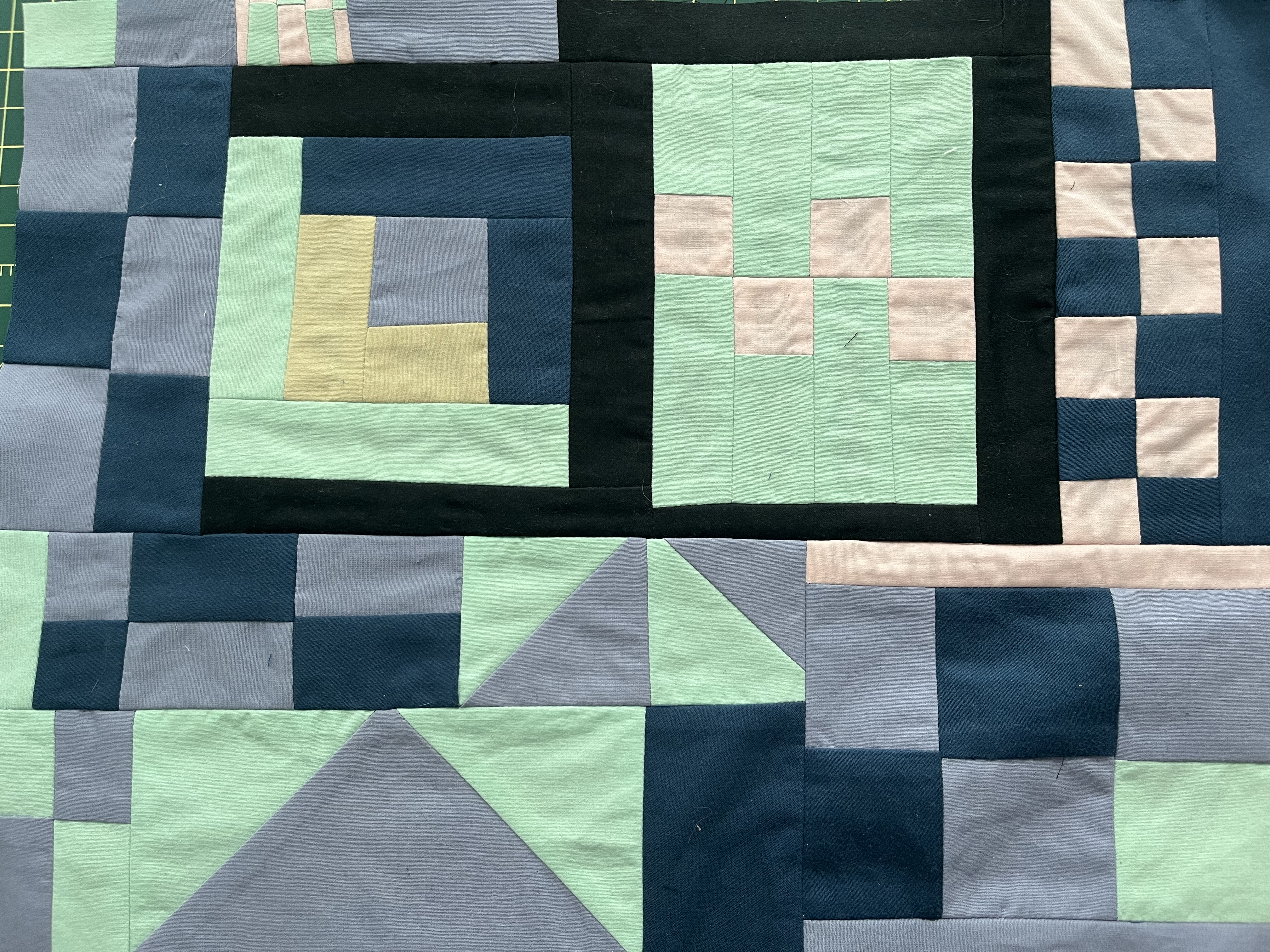
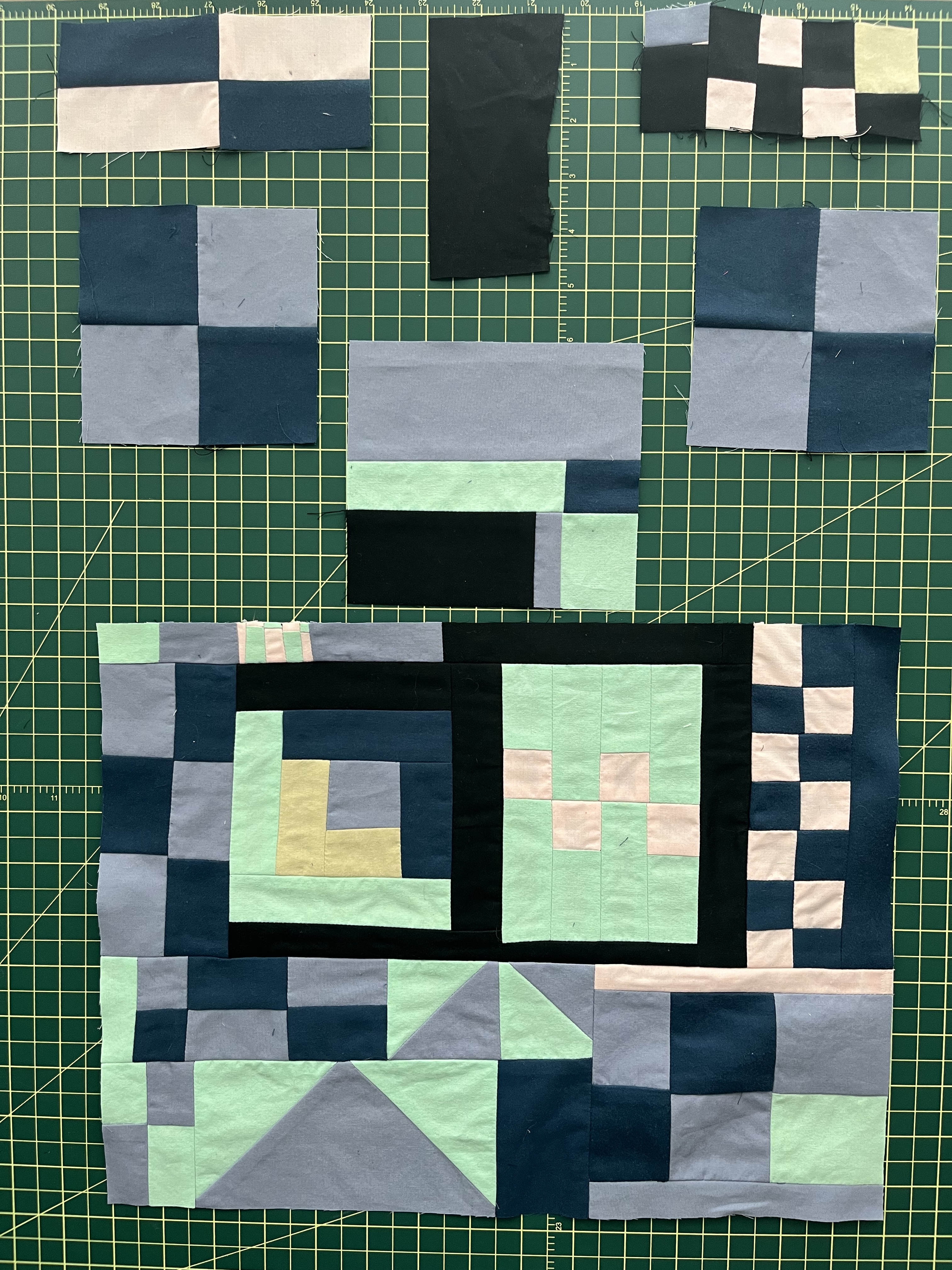
The first thing I made was a flying geese block because I’ve never made one before. Easy peasy (uh, except the point got buried in the seam oops). Then I made some four square patchwork pieces, a log cabin block (pictured further below in the post) and kept adding checkered pieces and strips here and there as I saw fit.

Flying Geese block at the bottom, in the grey-purple and green

I think I love improv quilting without a plan like this so much because that’s just it: I don’t need a plan. I can just make little pieces, add to them, cut things off as needed to make it fit. I don’t have to measure, sometimes I don’t even use a straight edge to cut! It’s so much fun and a great way to get into sewing and quilting if you’ve been wanting to start but it feels intimidating to you. It’s also just such low stakes if you’re using cheap fabric scraps because who cares if you make a mistake? I also love to collage and playing with fabric in this way reminds me of that. However, it’s disappointingly slow sometimes. I often sit and analyze too long about what should go where, how can I balance things, but for the most part I get into a good flow and have fun.

Pining two blocks together before sewing. I love how messy the backs look!

I’m surprised how much I like these colors together too. I probably wouldn’t have picked out the beige and the green but here I think they work well with the other colors. I especially love the green with the pink and the green with the greyish-purple.

Crazy how lighting makes a difference in the colors; here I photographed the pieces with natural daylight

I’m not sure what I’m going to turn this piece into (Edit: I turned it into a vest in January 2025! Read about it here). I usually, automatically think I need to go big(ger) and make a throw quilt but there’s so much satisfaction too in working small and getting something done. I don’t have any quilted wallhangings or pillows, so maybe that’s where this is going. Stay tuned.

Satisfyingly wonky. I love the tiniest sliver of pink peeking out!

First Finished Quilt of 2024!

It’s March and I finally finished a quilt, but it’s probably not what you imagine when I say quilt. Thanks to a swap challenge my quilt guild is doing with the Albuquerque Modern Quilt Guild I got a kick in the pants to make a quilt and have a deadline to finish it by (I am finding having a deadline, for me, was key to actually following all the way through on a project).

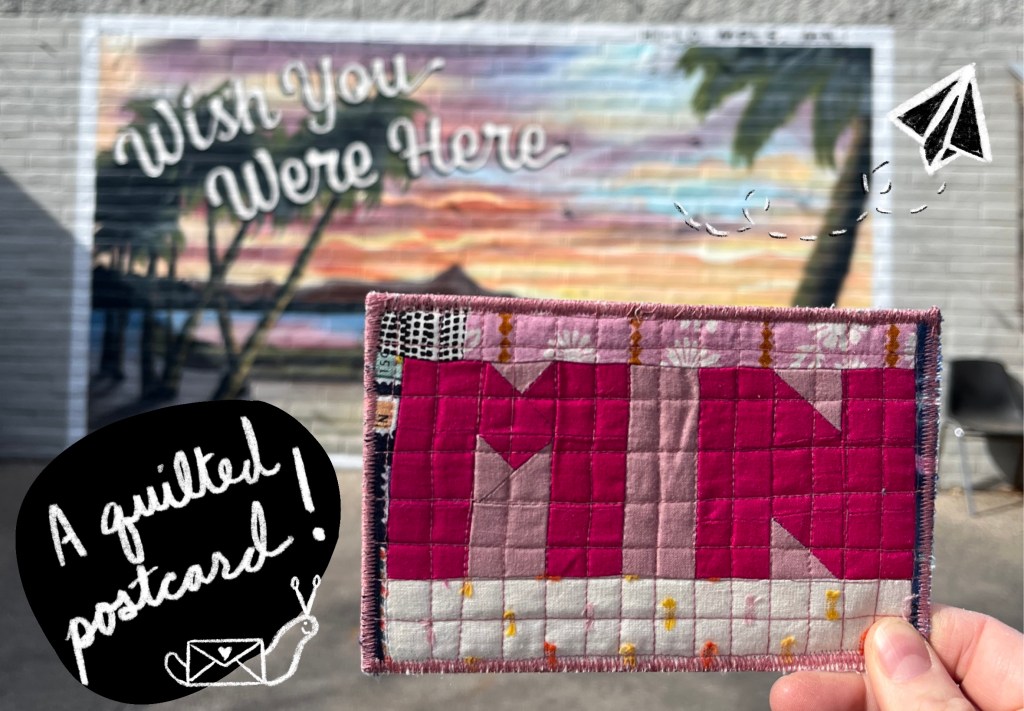
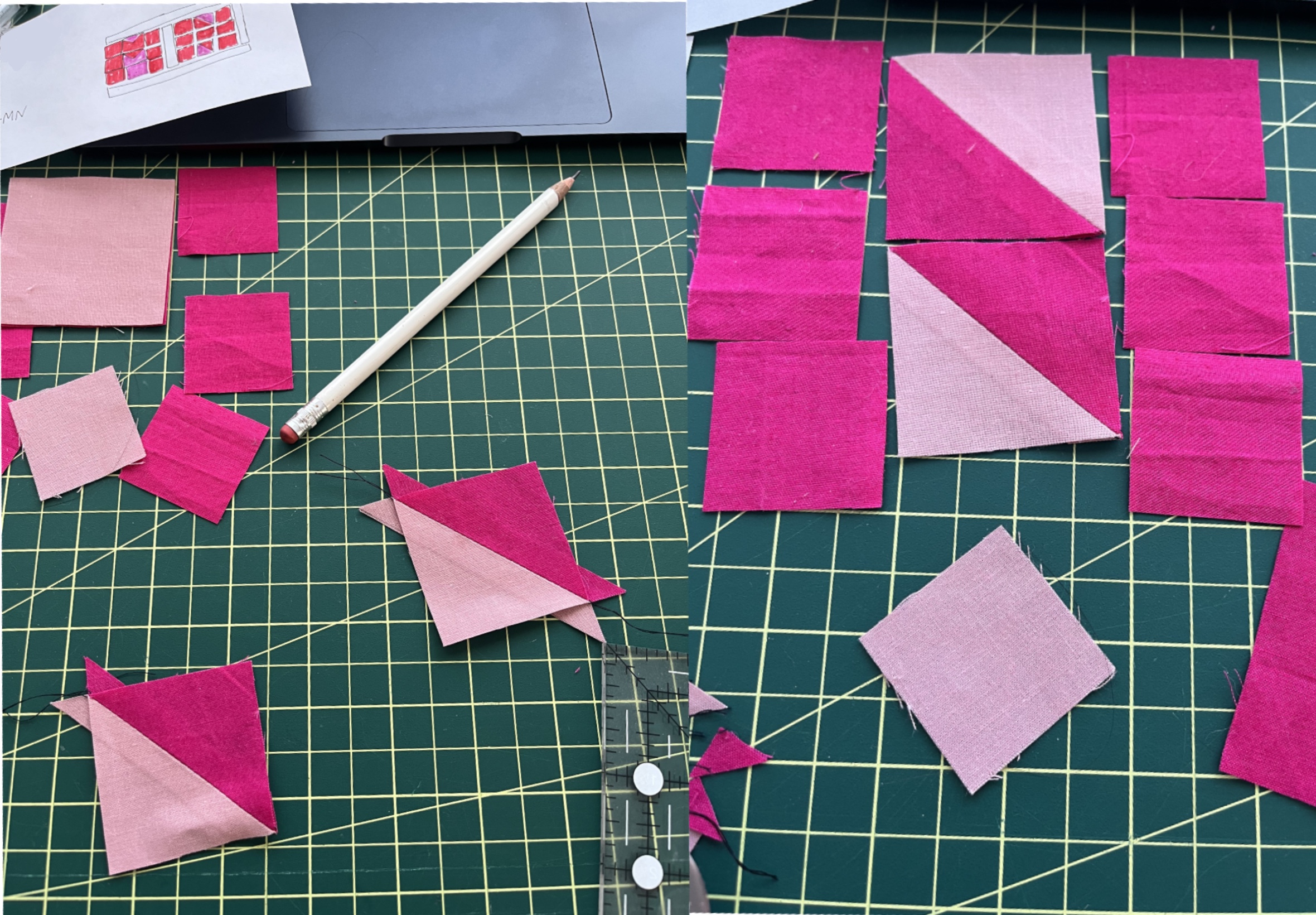
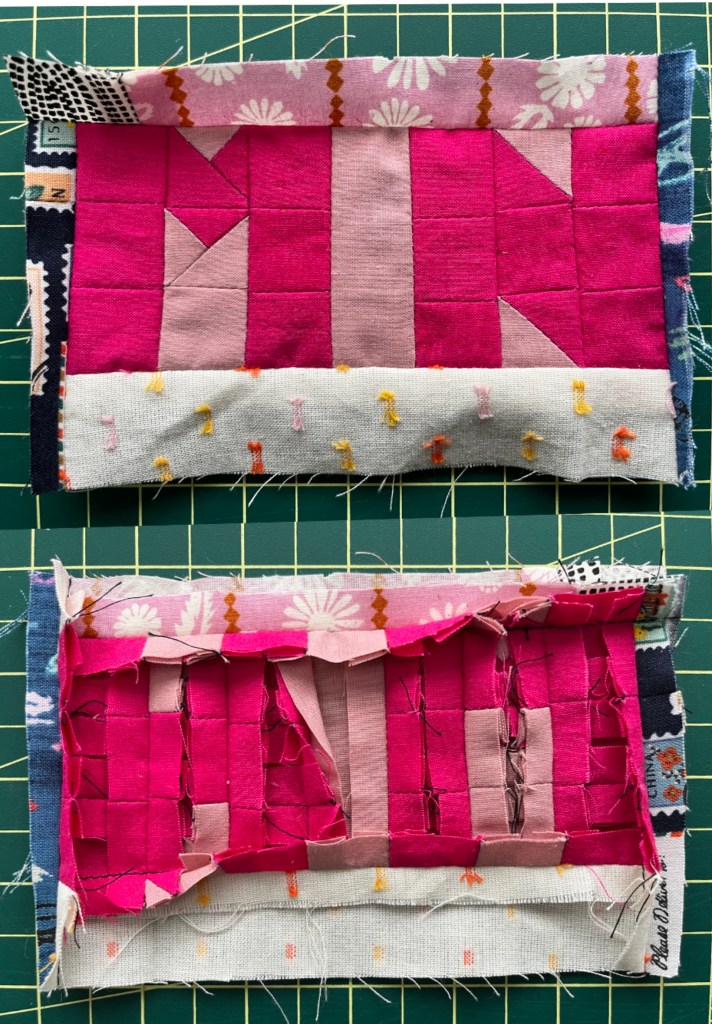
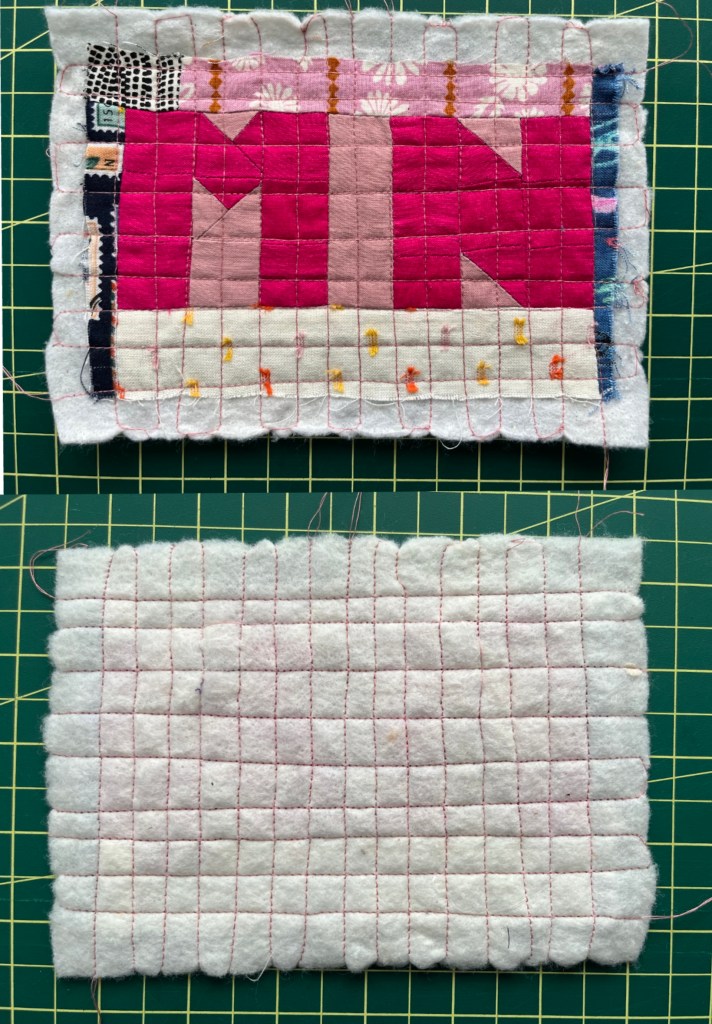
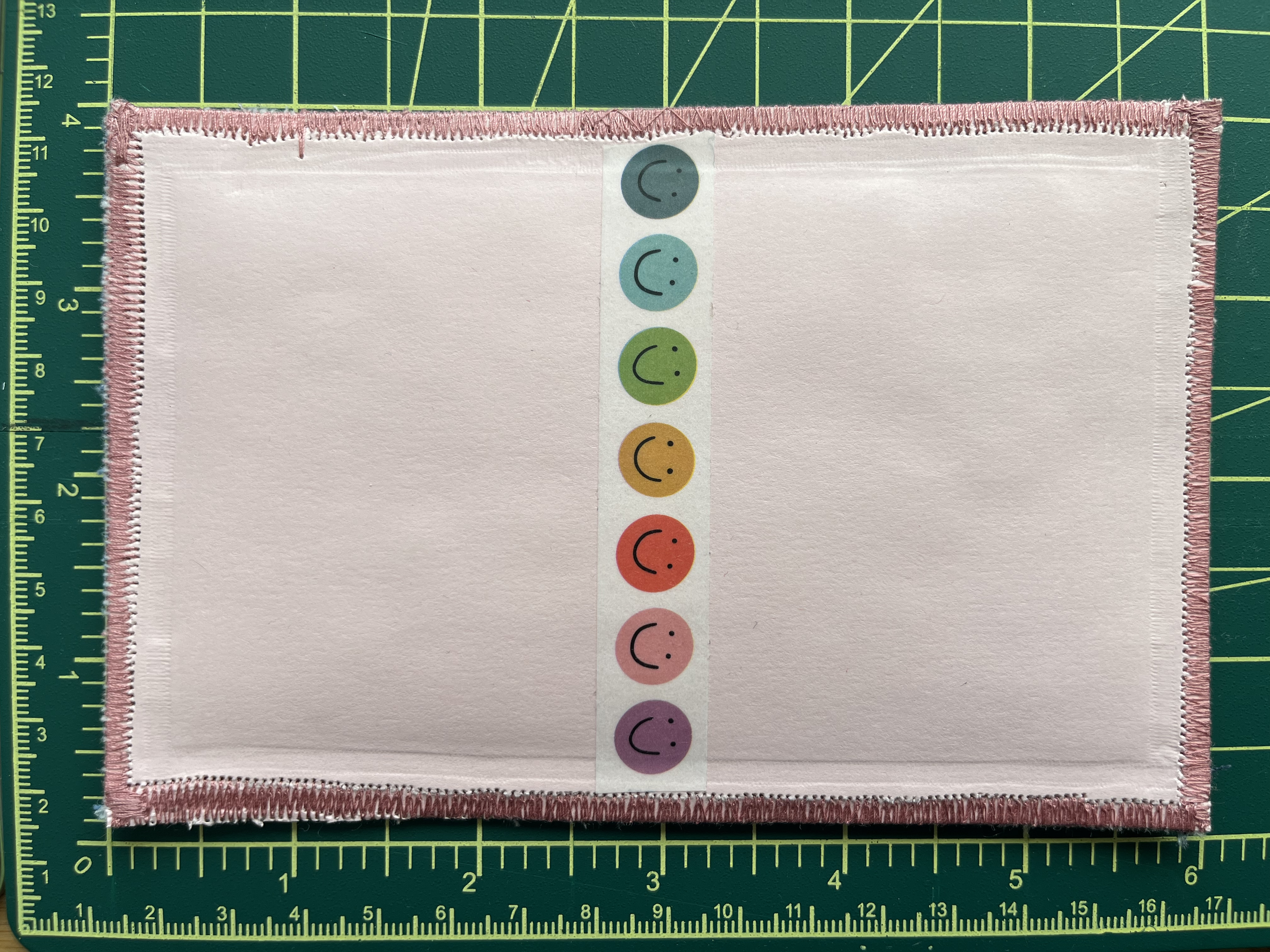
The quilt in question is actually a quilted postcard so yes, my first finished quilt of the year measures 6 inches by 4 inches! I flippin’ LOVE mail and get so much joy out of sending mail so I couldn’t not sign up for this one. I don’t care that it’s a wee quilt, it counts as a finished quilt–I pieced the top, quilted the top layer to the batting, put some fusible interfacing between that layer and card stock, and zigzag stitched around the perimeter twice to get all the layers together. The quilting is a little wobbly and the perimeter zigzag stitching is uneven and sparse in spots (it’s charming that way) but even with those flaws I think it turned out pretty cute and I’m quite proud of the finished piece. It’s handmade! It’s fun! My guild provided a bunch of links to help with this make and the one I solely relied on was Sarah Ruiz’s quilted postcard tutorial which is available as a free PDF download. Her guide is great!

A finished quilted postcard in front of a postcard mural

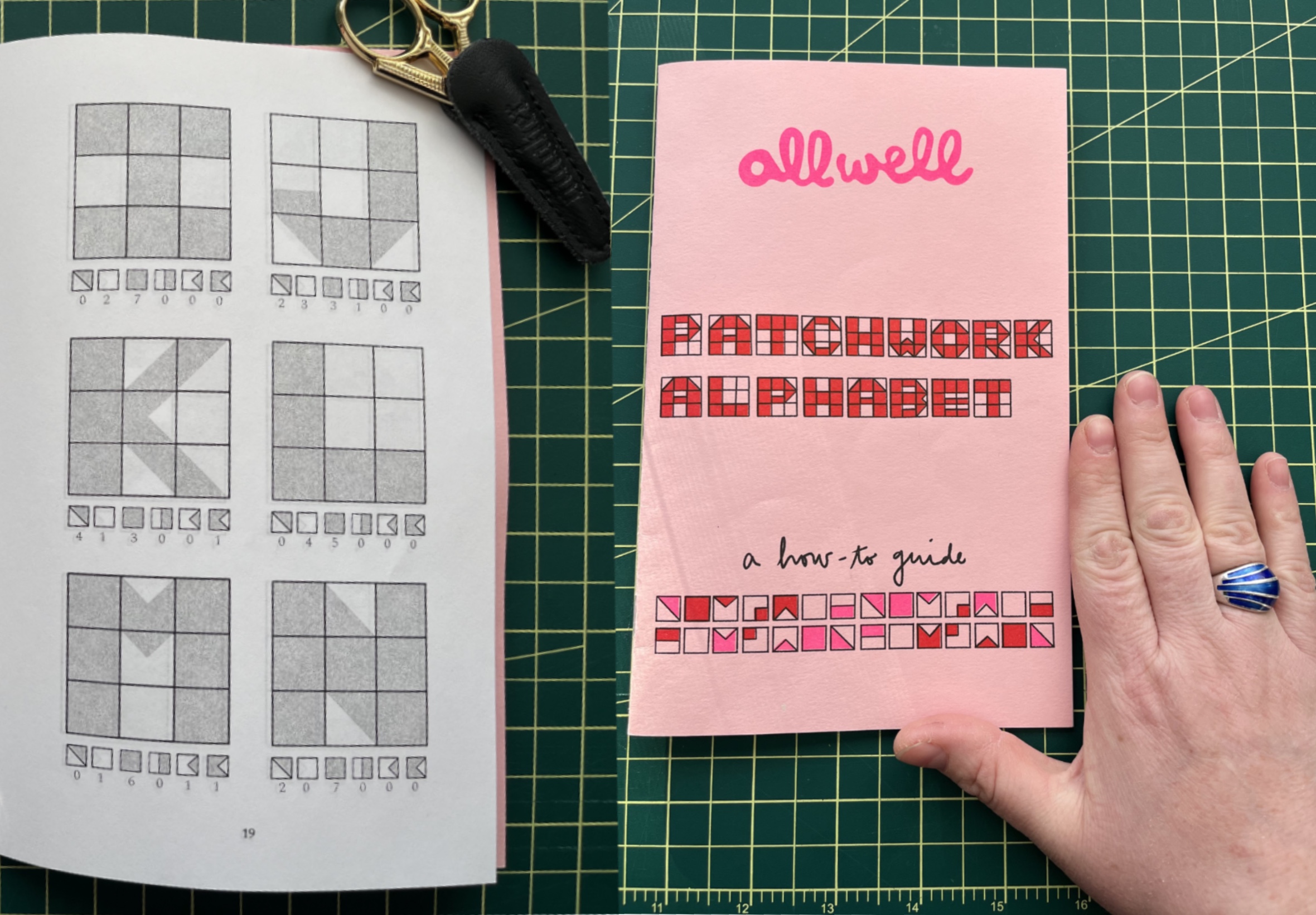
Since I’m mailing the postcard from Minnesota and postcards typically have some sort of indication that you’re receiving it from someone not where you are I wanted to put my state’s initials on there. To make the pieced letters I used the instructions found in All Well’s Patchwork Alphabet how-to guide zine. I also love that I’m mailing it to New Mexico–MN to NM!

This was my first time using interfacing in any sewing project and it was kind of a fail? I only bought it because the instructions recommended it to provide stiffness/stability to the postcard. I used Pellon 808 Craft-Fuse and got it to fuse to the card stock but not to the batting. I maybe didn’t have the interfacing facing the right way; it states to put the shiny side of the interfacing against the wrong side of the fabric, which I thought I did but maybe I actually did not. If you have any other ideas about what went wrong comment below or write me please.

I also only had instructions on how to use this interfacing in Spanish, which begs the question, ¿por qué? Porque the English instructions were a casualty when the interfacing was cut for me at the fabric shop, that’s all. I did use Google translate to make sure I was reading it correctly since we live in the future (my Spanish has gotten SO BAD but I give myself a solid B and a pat on the back for my translation efforts before I resorted to Google). After ironing and ironing I didn’t want to dink around with it any more. The fact that it fused to one layer was good enough for me. Maybe it’s supposed to only fuse to one side!

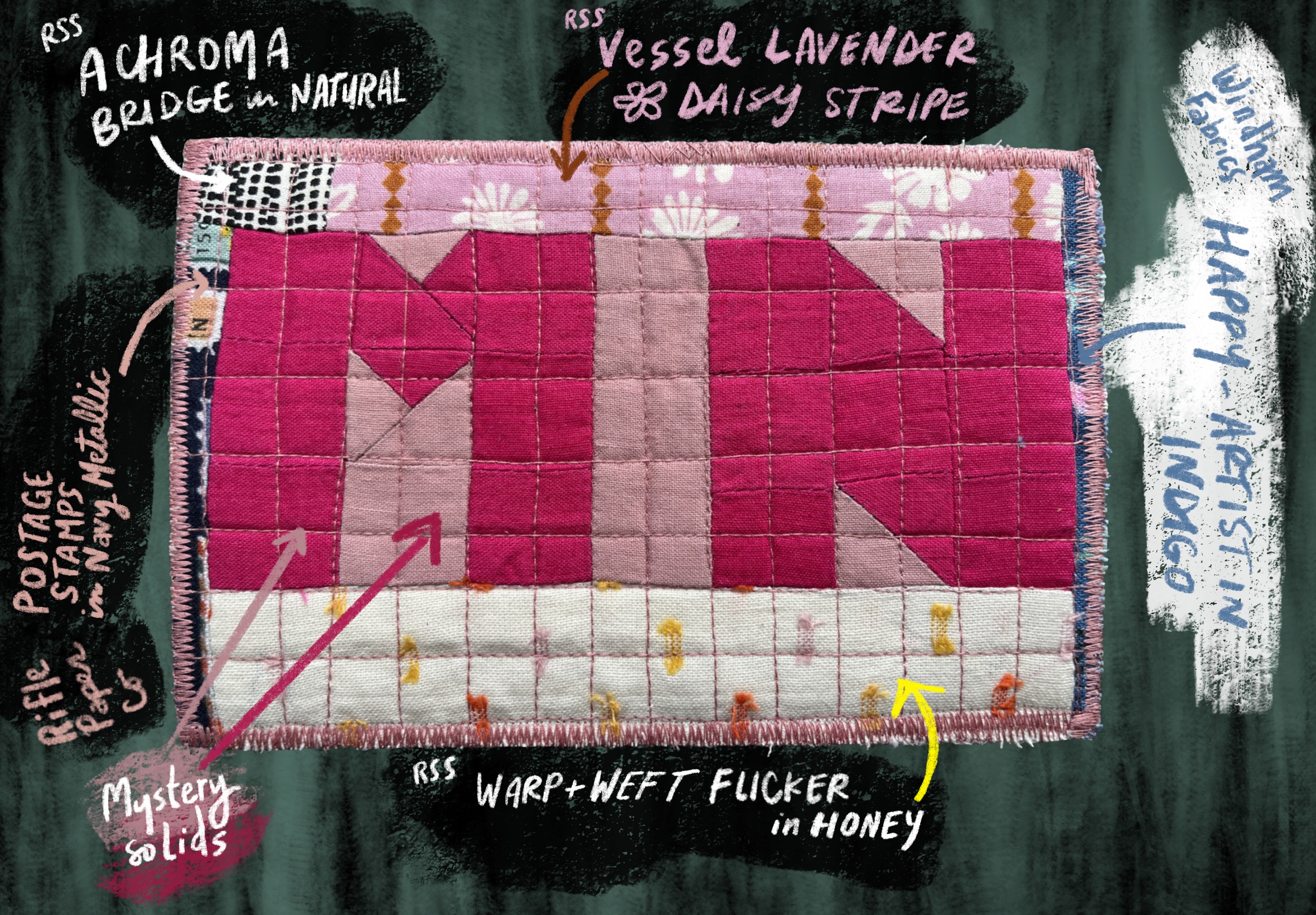
The entire postcard is made up of scrap cotton quilting fabric from my stash. I think I got the solids from my neighborhood Buy Nothing group and the others are mostly Ruby Star Society, all little scraps I pulled out of a pile on my desk; they’re all being used in another quilt I plan on writing more on soon! I used a 50wt Victorian Rose Aurifil cotton thread for the quilting and 50wt black Guttermann cotton thread for the piecing. The batting must’ve been a cotton but beyond that I’m not sure what brand I used. I didn’t quite intend for the postage stamps fabric and the happy artist fabric to be so teeny tiny. If I were piecing this again I’d make the spacing between the letters smaller so that the outside fabric would show more.

Oh, and I almost forgot–this was my first time using my new quilting walking foot! It was a good project to try it out on. I can’t believe I waited so long to get one. For years I (wrongly) assumed I couldn’t get one for my sweet 1960’s vintage Singer but one quick Google search revealed that I indeed could get a walking foot and it wasn’t expensive at all. It was a dream to use! Never again will I struggle to shove a quilt sandwich over my feed dogs! Here’s my walking foot. Now I’m wondering if I need to order some of the other fancy quilting feet.

We’ll see if this postcard makes it safely to Albuquerque. I decided to go to the post office to double check a postcard stamp was sufficient (it was) and mail it as-is. I didn’t get any pushback from the perfectly nice postal employee I interacted with, thankfully. Some in my guild have said some postal workers they encountered have been quite cantankerous or even downright mean about their quilted postcards saying that the machines wouldn’t be able to handle it (as an aside: does the post office turn people into misanthropes or are misanthropes naturally more attracted to the profession?). No matter what I for sure want to make more because having a quick, easy to finish project is very motivating. Anyone need some snail mail?

Ash